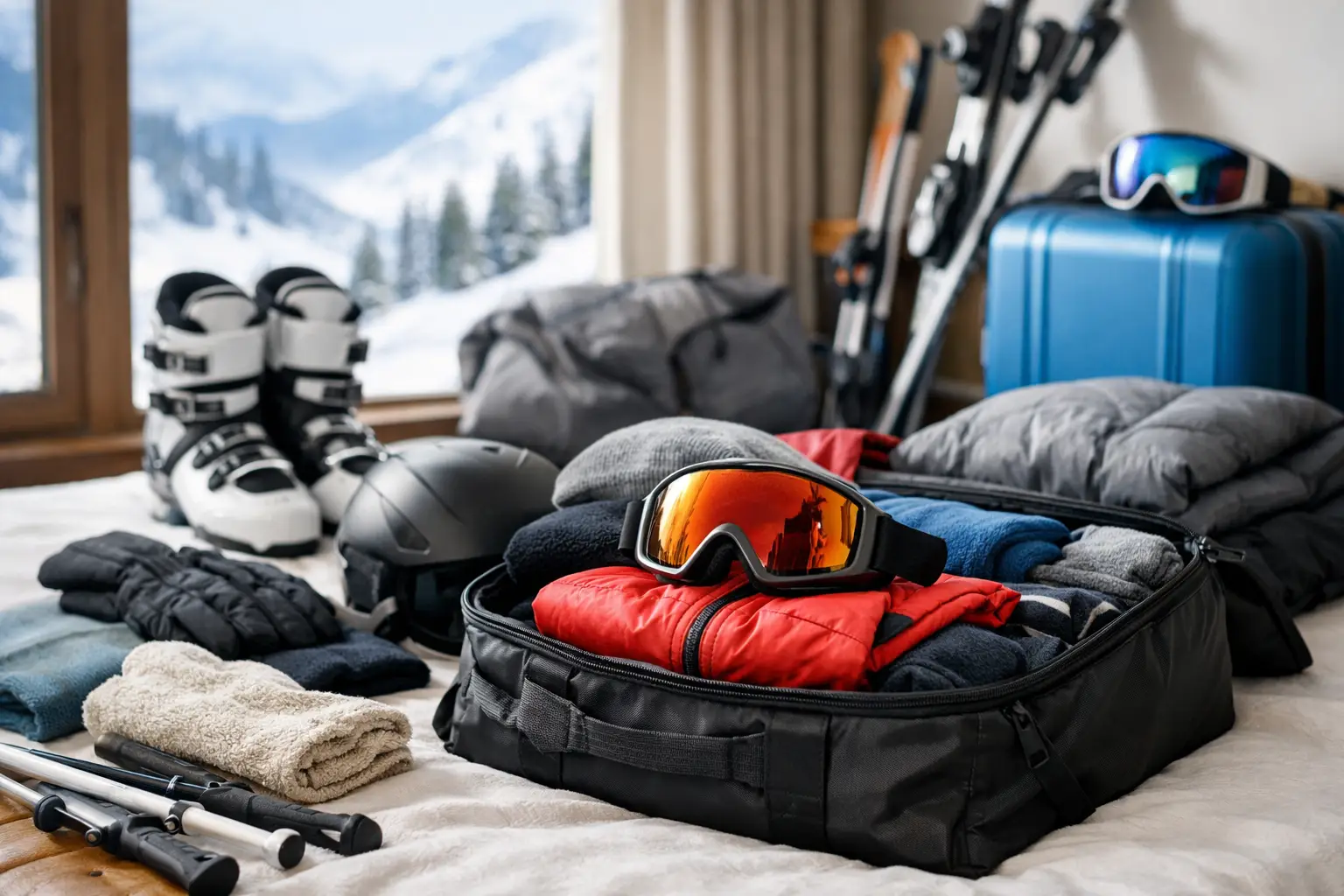
The moment most ski trips start to go wrong is not in the lift queue or on an icy red run. It is the night before departure, when one glove has vanished, your base layers are still damp from the dry slope, and you are trying to remember whether the resort pharmacy will stock contact lens solution. A good ski holiday packing guide is not about stuffing more into a bag. It is about turning up with the right kit, in the right place, ready for a full week on the mountain.
For UK skiers and snowboarders, packing well also means planning around real travel conditions. You may be flying with tight baggage rules, driving through France, catching a train, or juggling family kit across several bags. The best approach is simple – pack for the snow you are likely to get, not the fantasy week you saw on a brochure, and make sure the items you need first are the ones you can actually reach.
A ski holiday packing guide starts with layers
If there is one area where overpacking and underpacking happen at the same time, it is clothing. People throw in extra jumpers, then forget proper mid-layers. On snow, warmth comes from a layering system, not from one massive jacket and hope.
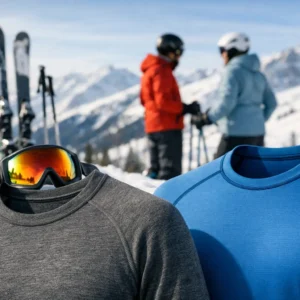
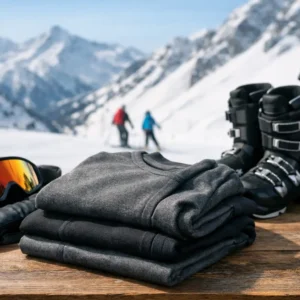
Start with base layers that move moisture away from the skin. Merino works brilliantly for comfort and odour control, while good synthetic options dry faster and usually cost less. For a typical week, two or three sets are enough if your accommodation has decent drying space. Pack more than that and you are usually carrying weight you do not need.
Your mid-layer depends on the time of year and how you ski or ride. If you run hot and spend most of the day moving, a light fleece or insulated layer may be plenty. If you are heading out in January, ski with children, or spend a lot of time on chairlifts, you may want one warmer option as well. The point is flexibility. Conditions in the Alps can swing from bitter wind to spring sun within the same week.
Outerwear needs to match your trip. A fully insulated jacket can be convenient for newer skiers or anyone who prefers fewer layers to manage. A shell gives more versatility, especially for regular skiers and snowboarders who travel in different parts of the season. Trousers matter just as much. Waterproofing, ventilation and fit all make a difference, particularly if you snowboard, ski in wet snow, or spend time kneeling with children.
The small items that make or break the day
Most experienced skiers learn this the hard way. Big items get remembered. Small ones get left on the bedroom floor.
Socks are the obvious example. You need ski-specific socks, not thick hiking socks and certainly not two pairs at once. Bulk creates pressure points and cold feet. Two or three pairs of good ski socks are enough for most weeks, provided you can dry them properly overnight.
Gloves or mitts are another area where one pair is often not enough. If your only pair gets soaked, the next day becomes miserable very quickly. Bringing a second pair is one of the smartest packing decisions you can make, particularly for snowboarders, spring conditions, or family trips.
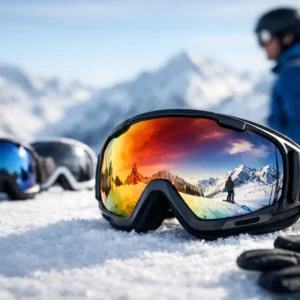
Then there are the items people only remember when they are already abroad: a neck tube, proper goggles for flat light, lip balm with SPF, hand warmers if you know you suffer in the cold, and a small boot bag or tote for moving kit between accommodation, locker and lift. None of these takes much space, but all of them can rescue a day.
What to pack in your hand luggage
This part of any ski holiday packing guide matters more than ever. Airlines lose bags, weather disrupts transfers and delayed luggage has a habit of turning up after the powder day.
Put your ski jacket, one base layer, goggles, gloves and essential medication in your hand luggage if possible. If you wear prescription inserts or contact lenses, keep those with you as well. A helmet is worth carrying on if your baggage allowance allows it, simply because replacing one at short notice can be expensive and fit matters.
The same logic applies if you are travelling by car or train. Keep one day’s worth of mountain essentials accessible rather than buried under the rest of the boot. If the journey gets disrupted or you arrive late, you will not have to unpack everything just to find your gloves.
Boots, skis and the rent-or-bring question
You can rent a lot of things on a ski trip. The question is whether you should. Boots are the item many regular skiers and snowboarders prefer to own and travel with, because fit has such a direct impact on comfort and performance. A familiar pair of boots can transform your week, especially if you ski hard, have tricky feet, or simply do not want to spend the first morning in a hire shop.
Skis and snowboards are less straightforward. Bringing your own kit makes sense if you know and like your setup, travel regularly, or are heading somewhere specific for powder, piste performance or touring. Hiring can be the smarter choice if you are only skiing once a year, want to avoid airline fees, or expect mixed conditions and would rather switch gear locally.
If you do travel with your own equipment, pack with care rather than cramming every spare item into the ski bag. A well-padded bag protects better and is easier to handle than one overloaded with half your wardrobe. Keep bindings, edges and any tools secure, and label everything clearly.
Off-slope clothing: less than you think
This is where many bags become needlessly heavy. Resorts are casual in most settings, and mountain villages do not require a different outfit every evening.
One or two comfortable outfits for après, dinner and travel are usually enough. Warm footwear with grip matters more than fashion if the streets are icy. If your hotel has a spa, remember swimwear. If not, do not pack for a fantasy hot tub you may never use.
The trick is to pack clothes that work across several situations. A fleece or insulated overshirt can handle airport travel, resort evenings and a chilly breakfast run. That is far more useful than three bulky jumpers you only wear once.
Toiletries, admin and the things you cannot borrow easily
Resort shops can help with basics, but they are not the place to replace specialist essentials at the last minute. High-factor sunscreen, aftersun, blister plasters and any personal medication should be packed early, not remembered late.
Admin is just as important. Passport, travel insurance details, driving documents if relevant, lift pass confirmation, transfers, accommodation information and any ski school bookings should be easy to access. If you are travelling as a family or group, keep one clear folder or digital note with the core details. It saves a surprising amount of stress.
Chargers, plug adaptors and power banks also deserve a proper place in your bag. Mobile phones now hold maps, bookings, weather updates and mountain meeting points. A dead battery on day three is more than an inconvenience.
Packing for children needs a different mindset
Anyone travelling with younger skiers knows the equation changes. Children get wet faster, lose things more often and are less able to tolerate being cold.
That usually means more gloves, more socks and one or two spare base layers than you would pack for yourself. Label everything. Seriously. In ski schools, chalets and hotel boot rooms, anonymous children’s kit multiplies at remarkable speed.
It is also worth packing one or two familiar comfort items for the journey and evenings, especially on a first family snow trip. Good packing for children is not only about slope performance. It is about protecting energy and morale across the whole holiday.
A final check before you zip the bag
The best ski holiday packing guide is still no substitute for laying everything out and asking one simple question: will I genuinely use this on this trip? Conditions, resort style, travel method and ability level all matter. A February week in Finland is not the same as an Easter break in Tignes, and a first timer’s bag should not look identical to that of a seasoned off-piste skier.
Pack for the trip you have booked, not the one you might post about later. If your essentials are covered, your layers make sense and your small items are under control, you will arrive ready to enjoy the mountain rather than manage your mistakes. That is always worth a little planning the night before.