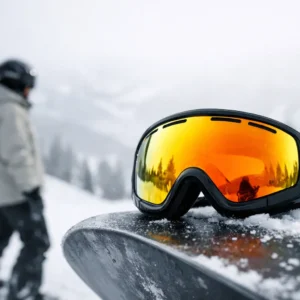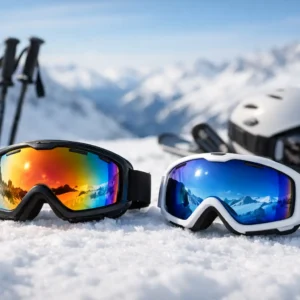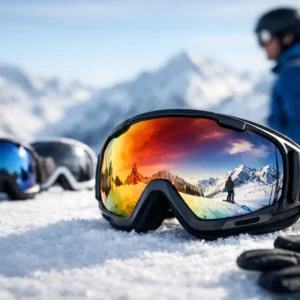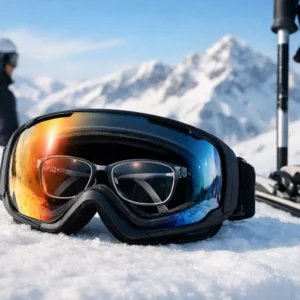
If you have ever spent a powder morning squinting through grey cloud, you will know that ski goggles low light lenses are not a niche bit of kit. They can be the difference between reading the slope properly and feeling your way down it by guesswork. On a whiteout chairlift lap, when every rollover looks the same and bumps disappear into the background, the right lens matters far more than a fashionable frame.
For UK skiers and snowboarders in particular, this is not some once-a-season problem. We often ride in mixed weather, flat light and storm cycles, whether that is in the Alps, Scotland or on an early-season trip where visibility changes by the hour. That is why low light lenses deserve a bit more thought than simply grabbing the palest option on the shop wall.
What ski goggles low light lenses actually do
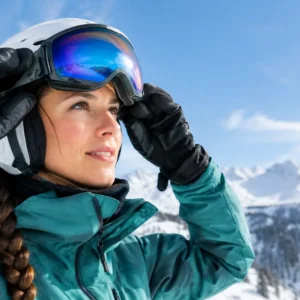
A good low light lens is designed to improve contrast when the mountain loses definition. In bright sun, your goggles need to cut glare and reduce the amount of visible light reaching your eyes. In low light, the job shifts. You want more light transmission, but you also want the lens to help separate subtle terrain changes from the surrounding snow.
That is the key point many people miss. Low light does not just mean a lighter lens. It means a lens that helps your eyes pick up texture in poor visibility. If a lens lets in plenty of light but washes out the snow surface, it may still leave you struggling to read the piste.
Tint matters, but it is not the whole story
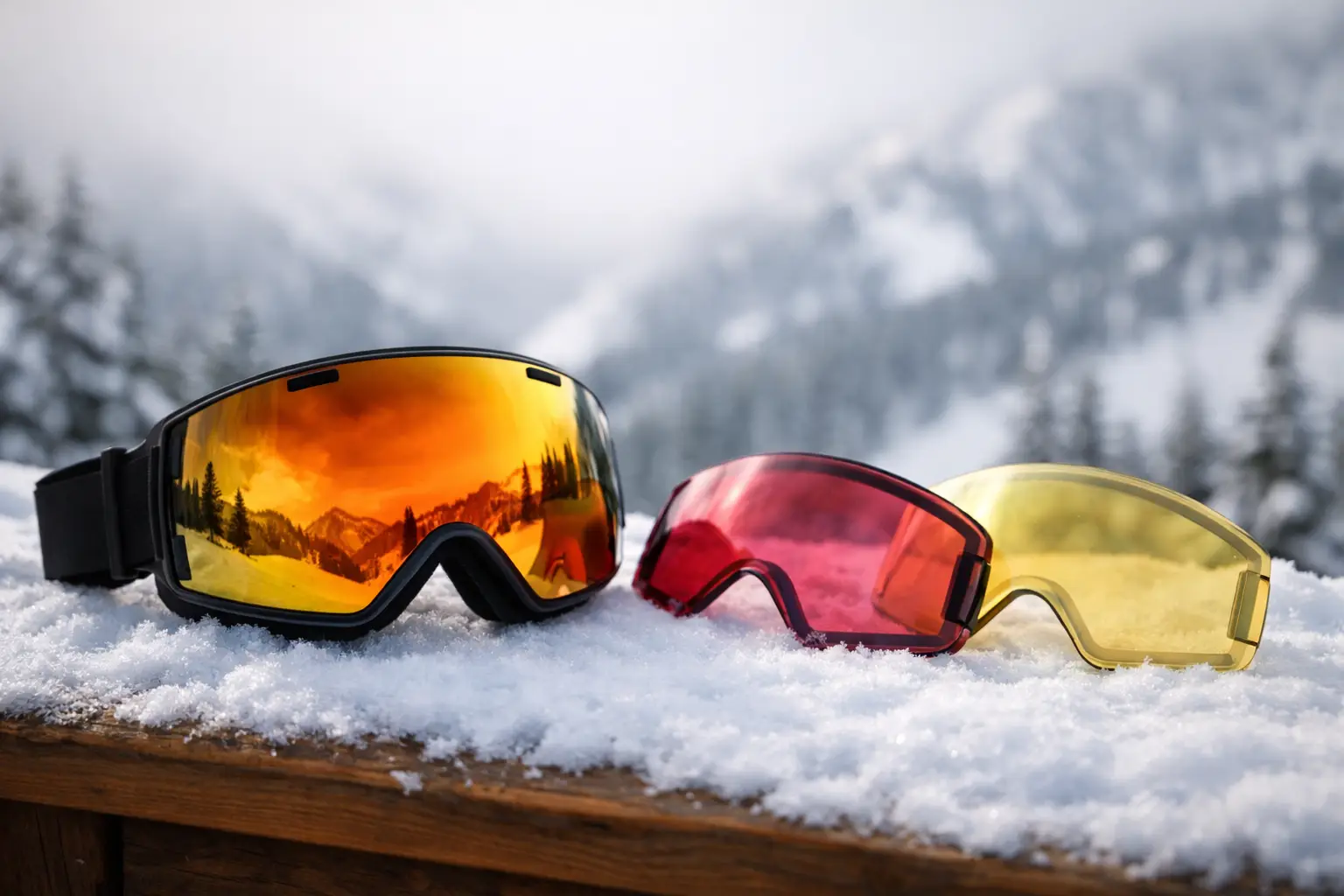
When people talk about low light lenses, they usually start with colour. That makes sense, because lens tint has a big effect on contrast. Rose, yellow, amber and light copper tints are commonly used because they can enhance definition in cloudy conditions and flat light.
Rose and pink-based lenses are a favourite for many skiers because they tend to give a more natural feel while still lifting contrast. Yellow lenses can work well in very dark, stormy weather, but some riders find they distort colour too much or feel tiring over a long day. Amber and light orange tints often sit somewhere in the middle, offering a warm view that can help terrain stand out without becoming too artificial.
There is no universal winner here. A lens that one skier swears by can feel odd to someone else. Eye sensitivity, weather, surrounding light and even the type of terrain you ski all play a part. Tree-lined runs, open glaciers and shaded north-facing slopes all present contrast differently.
VLT is the number worth checking
Visible Light Transmission, or VLT, tells you how much light passes through the lens. For low light use, you are generally looking at a higher VLT than you would for sunny-day lenses. Broadly speaking, lenses in the 50 to 80 per cent range are aimed at cloudy, snowy or flat-light conditions.
That said, VLT figures are only a guide. Two lenses with similar transmission can still perform very differently because of tint, coatings and lens technology. A cheap, very pale lens may have a high VLT but poor contrast. A more sophisticated low light lens may transmit slightly less light while showing the snow surface more clearly.
If you are choosing one lens specifically for bad weather, do not chase the highest number blindly. Look at the intended conditions and, if possible, try to compare how the lens renders snow detail rather than how bright it appears indoors.
Why flat light is harder than simply “cloudy”
Flat light is the real problem on snow. You can have a bright overcast day that still feels difficult because the cloud cover scatters light evenly across the piste. Shadows disappear. Ripples, troughs and patches of scraped snow blend into one sheet of white. That is when confidence drops and fatigue rises, especially for less experienced skiers.
A strong low light lens helps restore some of that missing definition. It will not perform miracles in a full whiteout, and no brand should pretend otherwise, but it can give you those extra visual cues that let you ski more fluidly and react earlier.
For snowboarders, this matters just as much. Flat sections, changing cat tracks and chopped-up run-outs are harder to judge when the terrain goes featureless. A lens that sharpens contrast can make movement feel much less tentative.
The best low light lens for you depends on how you ski
If you mainly ski pistes and want one spare lens for storm days, a high-VLT rose or amber lens is often the most versatile starting point. It usually gives enough brightness for dark weather while still being usable if the cloud briefly lifts.
If you spend a lot of time in trees or frequently ride in very low visibility, a lighter yellow or pink-yellow option may suit you better. It can make the scene look brighter, though the trade-off is that it may feel too exposed if the sun appears.
If you are an all-day, all-conditions skier who hates swapping lenses, then a photochromic lens is worth serious consideration. These adapt to changing light and can cover a broader range of conditions than a fixed tint. The benefit is convenience. The trade-off is that some photochromic lenses still do not match the best dedicated low light lens in really dark weather, and premium models tend to cost more.
Interchangeable versus photochromic
This is one of the more practical buying decisions. Interchangeable lens systems let you carry a true low light lens and swap it in when the weather turns. For skiers who want optimum performance, this is still hard to beat.
The downside is obvious. You need to carry the spare lens, keep it protected and actually stop to change it. On a windy lift station or a snowy chair, that can be irritating. If you only ever take one pair of goggles on holiday, there is a fair chance you will end up using the wrong lens for half the day.
Photochromic goggles are simpler. Put them on and get on with skiing. For many recreational skiers, that ease is more valuable than squeezing out the last bit of performance in a narrow weather window.
Lens quality shows up quickly in poor weather
Low light conditions expose mediocre goggles. Cheap lenses often flatten the view rather than enhance it. You may get glare, visual distortion or a general milky look that makes eye strain worse.
Better lenses tend to offer cleaner optics, stronger contrast definition and more effective anti-fog performance. The last point matters more than many buyers realise. A brilliant low light tint is useless if the lens steams up on the first damp chairlift ride.
Fit and ventilation deserve attention here. If your goggles do not sit well with your helmet, or if they trap moisture around the face foam, visibility will suffer whatever lens you choose. For UK readers who ski in wetter, warmer spells as well as alpine cold, anti-fog performance is not a luxury feature.
Don’t ignore your usual weather pattern
It is easy to buy for extreme conditions and forget what you actually ski in most often. If your annual trip tends to involve mixed alpine weather with some bright spells, an ultra-light storm lens may spend most of its time in the bag. In that case, a mid-to-high VLT all-round lens could be the smarter choice.
If you are a regular in Scotland, or you often ski during January storm cycles, then a proper low light option earns its place. The same goes for anyone who feels their confidence drop sharply when visibility goes flat. Better vision is not only about performance. It can make a difficult day far more enjoyable.
A quick way to shop smarter
When comparing goggles, ignore marketing names for a moment and focus on three things: the tint family, the VLT range and whether the brand describes the lens as contrast-enhancing for flat light rather than merely suitable for cloudy days. That gives you a better read on real performance than dramatic product language.
If you can, look through the lens against snow or at least in outdoor light. Indoor shop lighting tells you very little. And if you already own goggles you like, check whether the brand sells a dedicated low light replacement lens before buying a whole new setup.
For gear coverage and practical winter kit advice, Skier & Snowboarder has long taken the view that the best equipment choices are the ones that match the conditions you genuinely ride, not the conditions brands like to advertise.
The right low light lens will not turn a whiteout into a bluebird day, but it can give you back shape, texture and confidence when the mountain goes flat. On those murky afternoons when everyone else is peering into the gloom, that is often enough to keep you skiing well and enjoying the day.