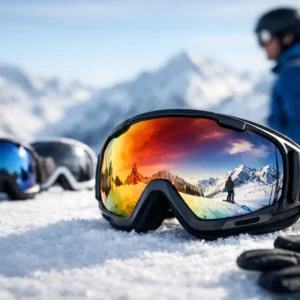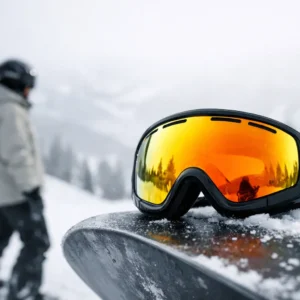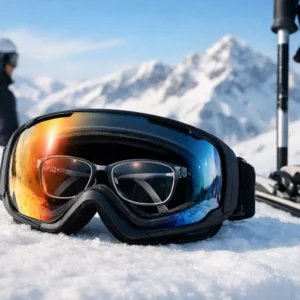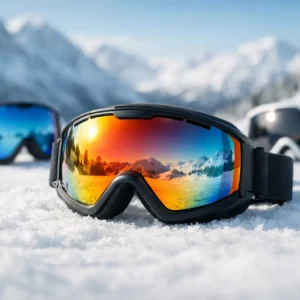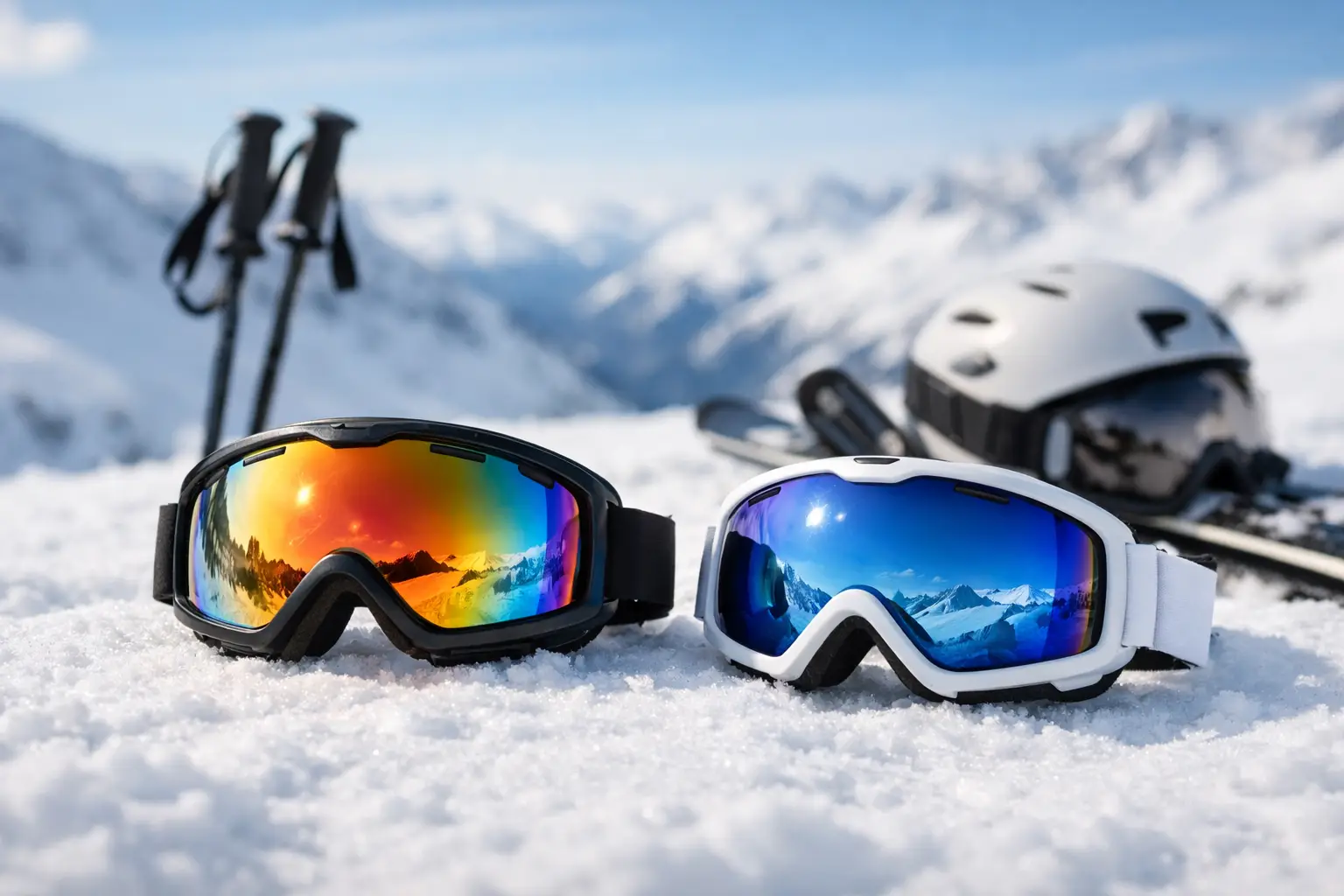
You only really notice bad goggles when the weather turns. Flat light on a chopped-up piste, sleet blowing across a chairlift, or a warm spring afternoon when your lenses fog just as the terrain gets busy – that is when a proper ski goggles review matters far more than showroom styling or marketing claims.
For most skiers and snowboarders, goggles are not a glamorous purchase. They are a functional piece of kit that can make a day feel sharper, safer and much less tiring. The right pair helps you read terrain earlier, cope with changing light and stay comfortable from first lift to last run. The wrong pair leaves you squinting, wiping lenses, and wondering why everything looked better in the shop.
A ski goggles review should start with the lens
If you strip away all the branding language, lens performance is still the main event. Frame design, strap quality and helmet compatibility matter, but clarity and contrast are what you pay for. On snow, especially in mixed Alpine weather, the best goggles are the ones that help definition stand out when the light is poor.
That is why modern contrast-enhancing lenses have earned their place. They can make bumps, ruts and changes in surface texture easier to spot, particularly in that all-too-familiar white-grey light that flattens everything across the piste. But there is a trade-off. Some high-contrast lenses are excellent in stormy or overcast conditions and merely decent in full sun. Others are more versatile but less impressive when visibility really drops.
For UK riders heading on one main ski holiday and a few indoor or dry slope sessions, versatility usually beats specialisation. If you are only buying one pair, a mid-range visible light transmission lens is often the sensible choice. It will not be perfect in every condition, but it will cope with most of them without forcing you into a lens swap every few hours.
What lens tint works best in real mountain conditions?
This is where plenty of buyers overcomplicate things. You do not need to memorise every tint category, but you do need to match your skiing to the conditions you actually face.
A darker lens suits bright bluebird days, high-altitude glare and spring sunshine. It reduces eye strain and keeps strong light under control. The drawback is obvious – take that same lens into snowfall, fog or late afternoon shade and everything can look needlessly murky.
A lighter lens is better for storms, low cloud and shaded tree runs. It lets in more light and can improve definition when visibility is poor. The downside is that it may feel too bright once the sun appears, particularly on wide open glacier terrain.
For many UK skiers and snowboarders, the sweet spot is a lens aimed at mixed weather. If your trips tend to be a week in the Alps or Dolomites with no guarantee of stable weather, this kind of all-round option makes the most sense. Riders who ski hard in all conditions may still prefer a second lens for either deep cloud or very bright days, but that depends on how particular you are and whether you want the hassle of carrying spares.
Photochromic and interchangeable systems
Photochromic lenses sound ideal because they adjust to changing light. In the right conditions, they can be genuinely useful. If your day starts gloomy and brightens steadily, they save you from changing lenses and offer a broader working range than a fixed tint.
They are not flawless, though. Performance varies between brands, and response time matters. In rapidly changing conditions, such as alternating sun and cloud on a high mountain, they may not adjust instantly enough to feel perfect. They also tend to push the price upwards.
Interchangeable lens systems are another strong option, especially for skiers who travel regularly. Magnetic systems are now quick and easy on most premium goggles, and much better than the fiddly setups of a few years ago. Still, changing lenses in wind or snowfall is never as elegant on the hill as it appears in a product video. If you do go this route, make sure the spare lens case is practical and that you are actually likely to carry it.
Fit is where good goggles become the right goggles
A lens can be excellent on paper and still be the wrong buy if the fit is off. In any credible ski goggles review, fit has to sit alongside optics because poor compatibility ruins performance fast.
The frame should sit evenly on the face without pressure points around the nose or temples. You want a close seal, but not a pinched one. If the foam feels harsh in the shop, it is unlikely to improve after six hours on the mountain. Equally, if the frame leaves obvious gaps, cold air and drifting snow will find their way in.
Helmet compatibility is just as important. A goggle might fit well on its own, then create an awkward gap against your helmet line or sit too high on the nose once both are worn together. Ideally, try goggles with your actual helmet, not a rough equivalent. Shapes vary more than many brands admit.
For glasses wearers, OTG models can work well, but only if the fit is honest. Some are genuinely spacious and ventilated properly; others technically fit over spectacles yet still fog too easily. If you wear prescription glasses, this is one area where trying before buying is worth the effort.
Size and field of view
Larger spherical and toric lenses dominate the market for good reason. They generally offer a broad field of view and a modern, less tunnelled feel. That helps in lift queues, on crowded pistes and when checking your line through mixed terrain.
But bigger is not always better. Riders with smaller faces can end up with a frame that overwhelms their features, compromises helmet fit or simply feels cumbersome. Medium-fit goggles remain the smarter option for many people, especially if you value comfort over maxed-out styling.
Ventilation and fog resistance still separate the best from the rest
Fogging is one of the quickest ways to lose confidence in a pair of goggles. Once it starts happening regularly, everything else becomes irrelevant.
The strongest models combine decent vent placement, effective lens coatings and a frame design that allows air to circulate without inviting in too much cold. That balance is not easy to get right. Excellent anti-fog performance in dry cold conditions does not always translate to humid snowfall, spring slush or a damp uplift queue.
User habits matter too. Putting goggles on your helmet at the lunch stop, wiping the inside of the lens, or storing them wet in a bag can all shorten the life of anti-fog coatings. Even the best pair needs a bit of care. A proper lens cloth, careful drying and some restraint when they steam up indoors go a long way.
Build quality, strap design and long-term value
At first glance, many goggles look broadly similar. After a season or two, the differences become clearer.
Better models tend to have denser, more comfortable face foam, smoother strap adjustment and a frame that holds its shape. Lens-change mechanisms also matter more over time than on day one. A magnetic system that feels secure after repeated use is worth paying for. One that loosens or becomes awkward in cold weather is not.
Strap grip is another overlooked detail. If your goggles slide around on the helmet or need constant readjustment, they stop feeling premium very quickly. A wide, well-backed strap with reliable silicone grip is a small feature that improves day-to-day use.
Price matters, of course. Premium goggles can be excellent, but the jump in performance is not always proportional to the jump in cost. Mid-market options now offer very respectable optics, good fog resistance and comfortable fit. For occasional holiday skiers, that part of the market is often the smartest place to shop. Frequent riders, seasonnaires and anyone especially sensitive to flat light may appreciate the gains from a top-end lens.
So what should you actually look for?
The best buying decisions usually come from being honest about your skiing. If you mainly ski one week a year, stick to a versatile lens, dependable fit and simple operation. If you chase conditions, ski in mixed weather and notice every shift in contrast, lens quality moves right to the top of the list.
Snowboarders spending more time in variable terrain and side hits may prioritise wide peripheral vision and strong anti-fog performance. Skiers sticking mostly to pistes may care more about glare control and comfort across long lift days. Neither approach is more correct – it depends where and how you ride.
For the UK market, practicality should lead. Alpine weather changes quickly, package holidays do not wait for perfect visibility, and most people want one pair of goggles that can handle a broad spread of conditions without fuss. That is why the strongest choices are usually the ones that balance contrast, comfort and weather range rather than chasing a single standout feature.
At Skier & Snowboarder, we have always felt the best kit earns its place by working properly when the mountain is at its most awkward, not just when the sun is out and the photos look good. Choose goggles that let you forget about them once you click in, and you will make better turns all week.