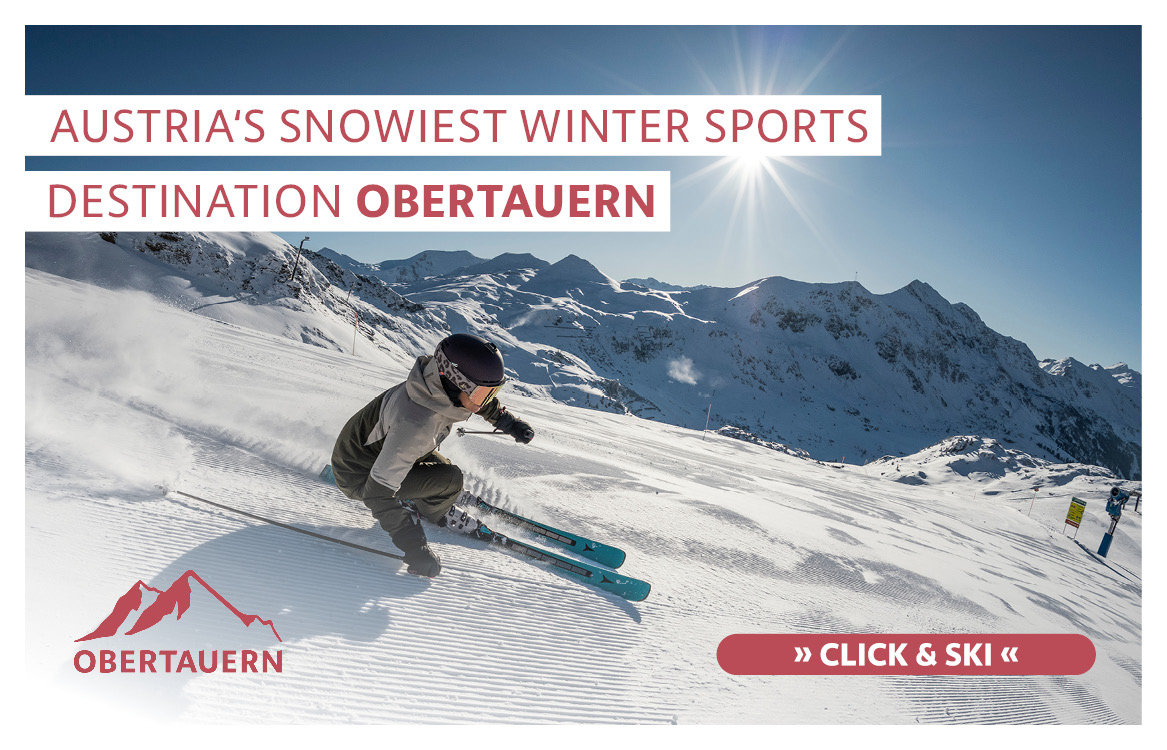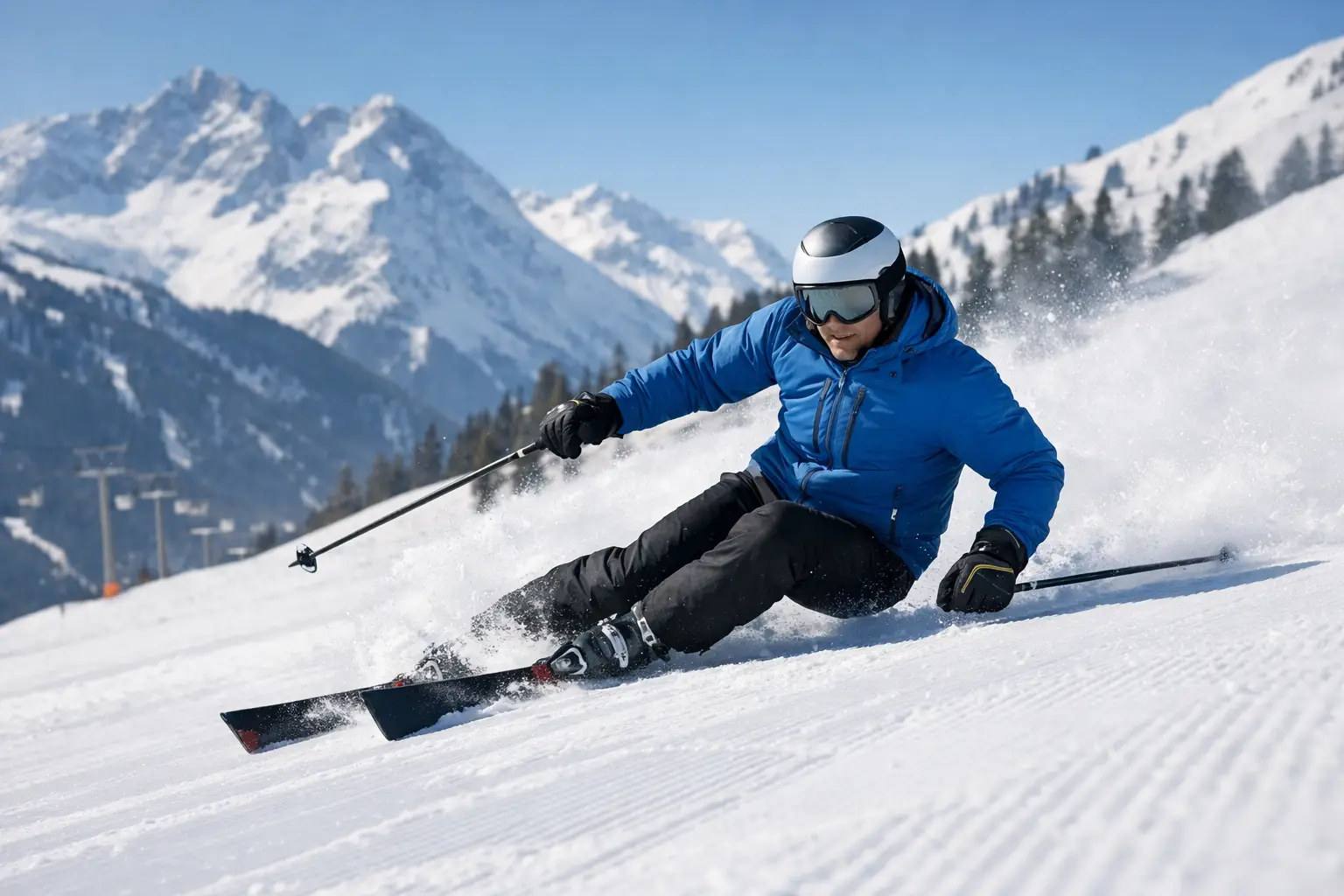
That moment when the skis bite cleanly and arc across a fresh corduroy run is what keeps many of us coming back. If you want to know how to improve carving turns, the answer is rarely to force the ski harder. More often, it comes down to balance, timing and learning to trust the edge earlier in the turn.
A proper carve feels smooth, fast and surprisingly calm underfoot. There is less skid, less noise and far more grip. But plenty of skiers who are solid on red runs still struggle to create consistent carved turns, especially when the pitch steepens or the snow firms up. The good news is that carving is teachable. It is not reserved for racers, and it does not depend on brute strength.
What carving really is
A carved turn happens when the ski bends and follows its sidecut through the snow rather than being pushed sideways. You are not steering the tails round or twisting the feet to make the turn happen. Instead, the ski does much of the work once it is tipped onto edge and pressured in the right place.
That distinction matters. Many skiers think they are carving because they are making neat parallel turns on piste. In reality, they may be skidding the top of the turn, then gripping only at the finish. That is perfectly normal, and often sensible in mixed conditions, but it is different from a clean arc from edge change to completion.
For most recreational skiers, improving carving turns is really about reducing unnecessary skid and building a cleaner edge engagement through more of the turn.
How to improve carving turns with better position
The fastest route to better carving is sorting out your stance. If your weight is too far back, the ski will feel reluctant to engage and the tails will wash out. If you are too upright and static, the edges will never bite with enough intent. Good carving position is athletic and centred, with the ankles flexed, shins in contact with the fronts of the boots and the hips stacked over the feet rather than trailing behind them.
On snow, that often feels more forward than expected, especially for skiers who have developed a cautious back-seat habit on steeper pistes. Yet centred does not mean lunging over the tips. It means standing in a place where you can pressure the whole ski and stay mobile as the forces build.
Your upper body also needs to stay disciplined. The torso should generally face down the hill while the legs do most of the turning beneath you. If the shoulders rotate into the turn too early, the skis tend to smear rather than carve. Quiet hands help here. Keep them in front, level and purposeful, not drifting behind your hips.
Start from the feet and ankles
Many skiers try to carve by leaning the whole body dramatically into the turn. That usually comes too late and too abruptly. Clean carving starts lower down, with the feet and ankles tipping the skis onto edge. As the edge angle builds, the knees and hips follow naturally.
Think of rolling both skis onto their edges rather than shoving the knees sideways. It is a more precise movement and gives you a much better chance of feeling when the ski begins to engage.
Pressure the outside ski without abandoning the inside one
The outside ski remains the main platform in a carved turn. That is where most of the pressure should build. But many intermediates hear this advice and then stand exclusively on the outside ski, letting the inside leg go passive. The result is often a stiff, braced turn.
A stronger approach is to stay committed to the outside ski while keeping the inside leg active, flexed and light. That allows the hips to move into the turn and gives the skis room to tip further without fighting each other.
Timing matters more than force
If carving feels hit and miss, timing is usually the missing piece. The edge needs to engage early, as the skis move into the new turn, not halfway through after the line has already drifted. This is where patient skiers improve quickly.
At the transition between turns, release the old edges cleanly and move the centre of mass into the new turn. Then let the skis come underneath you and tip onto the new edges before you try to pressure them hard. If you rush the pressure before the skis are set on edge, they will simply skid.
This is also why carving on gentle terrain is so useful. You have time to feel the sequence: release, move, tip, then build pressure. On a steep busy red, most skiers revert to survival timing and lose that clean rhythm.
How to improve carving turns on different terrain
The ideal place to practise is a wide, quiet blue or easy red with consistent grooming. Fresh corduroy is forgiving and gives clear feedback through the tracks you leave behind. If you can see two clean pencil-line arcs in the snow, you are carving. If the tracks are wide, brushed or broken, there is still some skid in the turn.
That is not failure. It is information.
On steeper terrain, expect your carving to become less pure at first. The forces rise, confidence becomes more important and line choice matters far more. Many skiers improve faster by doing their technical work on mellow slopes and then taking just one or two elements onto harder pistes. Trying to perfect everything at once usually leads to defensive skiing.
Firm morning pistes can also help, up to a point. They reward accurate edging and expose sloppy balance immediately. Ice, however, is a different proposition. If the slope is genuinely polished and crowded, this is not the place to insist on textbook carving. Sensible skiing beats ego every time.
Drills that genuinely help
A few simple exercises can sharpen the right sensations without overcomplicating the day.
Railroad tracks are one of the best. On an easy slope, make shallow edge-to-edge turns with minimal steering and aim to leave two clean, parallel lines in the snow. The goal is not speed. It is feeling the skis tip and bend.
Javelin turns are useful for stronger skiers because they expose whether you are really balanced over the outside ski. Lift the inside ski slightly and cross it over the outside ski as you turn. It is demanding, but it quickly reveals weak stance and lazy upper body habits.
You can also try carving with a slightly narrower corridor across the slope. This encourages patience and line discipline rather than the usual tendency to throw the skis sideways to control speed. Just be honest about the terrain and traffic around you.
For UK skiers, indoor snow centres can be surprisingly effective for this kind of repetition. The slope is limited, of course, and the surface is not the Alps, but regular sessions can sharpen edge awareness and stance in a very controlled setting.
Equipment can help, but it will not save poor technique
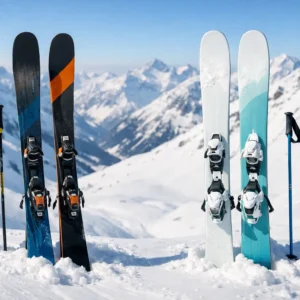
There is always a temptation to blame the skis. Sometimes that instinct is fair. A tired, badly tuned ski with blunt edges will not reward precise carving, and boots that are too soft or poorly fitted make fine movements much harder.
Still, most carving problems are technical before they are mechanical. A piste-focused ski with a sensible turn radius can certainly make learning easier, particularly for skiers spending most of their time on groomed runs. But even a good carving ski will skid if the skier is late, back or twisting it through the top of the turn.
Edge tune matters more than many holiday skiers realise. If your skis have not seen a workshop since last season, get them sorted before you diagnose your technique too harshly.
Common mistakes when improving carving turns
The classic error is trying too hard. Skiers hear that carving means edge angle, so they throw themselves inward, lock the legs and hope for the best. Usually the ski never engages properly, and the turn feels unstable.
Another common issue is hanging onto the old turn too long. If you do not release the old outside ski cleanly, the new turn starts late and rushed. That is when the skis get shoved sideways to catch up.
Then there is speed. Real carving generates it. That can be unsettling, especially for intermediates who are used to controlling pace with a bit of skid. There is no shame in blending carved and steered turns while you build confidence. In fact, that is how most good recreational skiers manage variable pistes all day.
Lessons help here because an experienced instructor can tell whether the problem is fore-aft balance, edge release, rotation or simply terrain choice. Small corrections make a big difference when the goal is a cleaner arc rather than a wholesale rebuild.
Carving is one of those skills that rewards patience more than effort. Give yourself the right slope, enough space and a few focused runs where the aim is quality rather than mileage. Once the sensation clicks, you stop chasing the turn and start letting the ski shape it for you – and that is when piste skiing becomes properly addictive.