That first morning on snow usually decides everything. You either spend two hours learning how to stop, turn and use a lift without drama, or you spend two hours sliding sideways, burning your thighs and wondering why everyone else makes it look easy. That is why the ski lessons vs self taught debate matters more than it might seem when you are booking a trip.
For plenty of UK skiers, the temptation to teach yourself is understandable. Holidays are expensive, time in resort is limited and there is always a friend who insists they can show you the basics. Sometimes that works, at least to a point. But skiing is one of those sports where a shaky start can follow you for years, showing up later as poor balance, fear on steeper pistes and a turning technique that never quite feels reliable.
Ski lessons vs self taught: the real difference
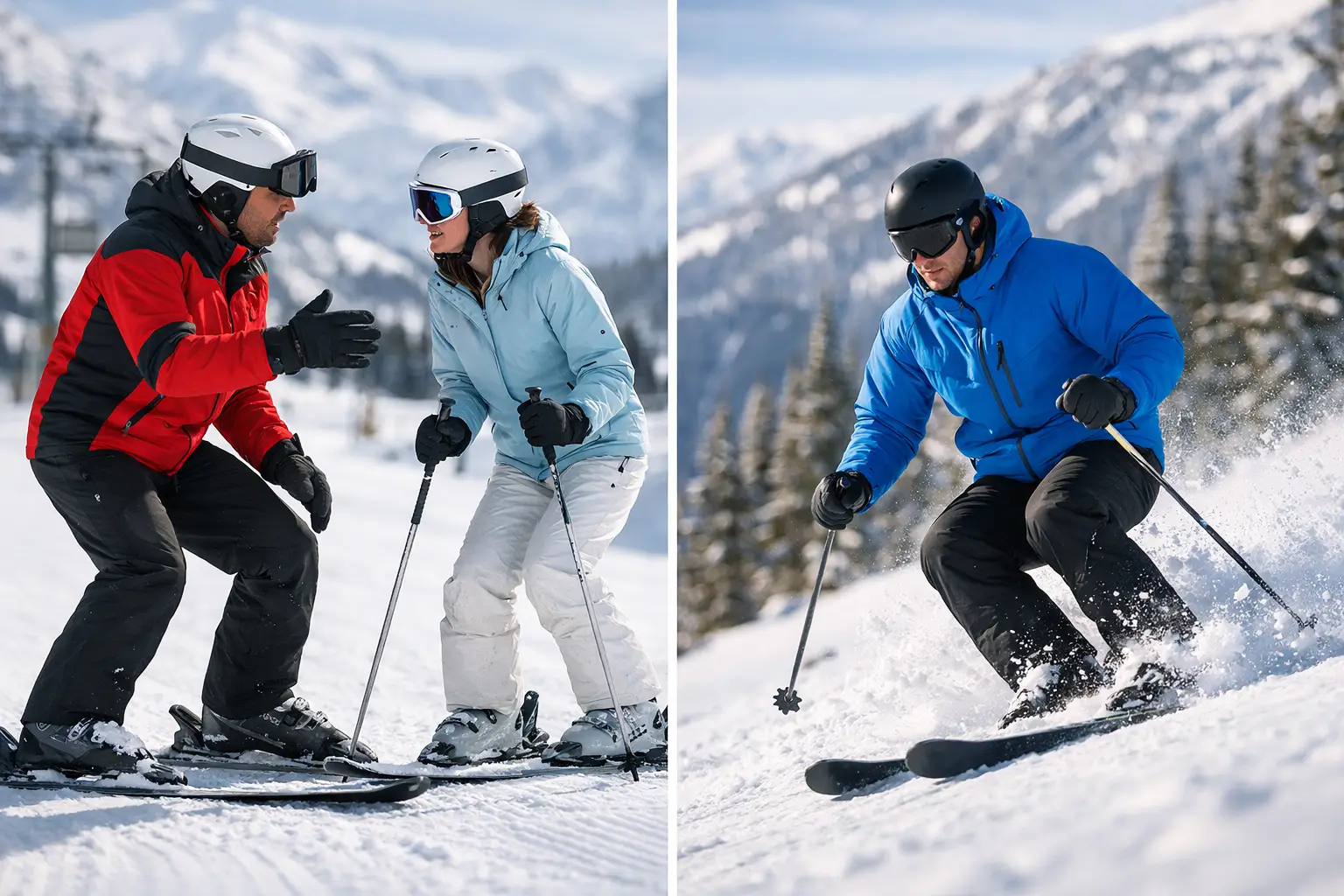
The biggest difference is not simply speed of progress. It is quality of movement. A qualified instructor is not there just to get you down the hill. They are there to build the foundations that make skiing feel controlled rather than chaotic.
A self-taught skier often learns the visible part first. They copy stance, follow a mate’s line and try to imitate turns. What they usually miss is the underlying mechanics – pressure on the outside ski, posture over the feet, timing through the turn, and how to release the edges cleanly. Those details are what turn survival skiing into confident skiing.
That does not mean every lesson is perfect or that every self-taught skier is doomed to struggle. Some naturally athletic people pick things up quickly, especially if they have skating, hockey or mountain sports experience. Equally, a badly matched group lesson can leave a beginner cold, tired and unconvinced. But in most cases, lessons shorten the learning curve and reduce the number of bad habits that become expensive to fix later.
Why self teaching feels cheaper – but often is not
On paper, skipping lessons saves money. Lift pass, kit hire and accommodation already add up fast, so the idea of learning as you go can look sensible. Yet cost on a ski holiday is not only about what you pay upfront. It is also about what you get from your limited days on snow.
If you spend three mornings figuring out how to snowplough and stand up after every fall, that is paid-for mountain time gone. If fear keeps you stuck on the same nursery slope for half the week, the holiday feels smaller. And if poor technique leads to a crash, bruised confidence or an early finish, the value equation changes quickly.
Lessons often deliver better value than they first appear to. Even a few sessions at the start of the week can help you use the rest of your holiday more effectively. For adult beginners especially, that structure matters. Children often learn through repetition and boldness. Adults tend to learn better when they understand why something works.
Safety is where lessons make the strongest case
Skiing will always involve risk, but there is a clear difference between acceptable risk and avoidable risk. Instructors teach far more than turning. They teach slope awareness, speed control, safe stopping points, lift etiquette and how to choose terrain that matches your ability.
Self-taught beginners often overestimate what they can manage after one decent run. That is when things unravel – icy sections, narrow pistes, late-day chopped snow or a steeper pitch than expected. Technique tends to collapse under pressure, and panic usually follows. The classic result is the defensive skier sitting in the back seat, picking up speed and losing the ability to steer.
A proper lesson reduces that pattern. You learn how to stay centred, how to control speed through turn shape rather than pure braking, and when to back off before a slope gets beyond you. For nervous skiers, that knowledge is often worth more than rapid progress.
The bad habits self-taught skiers commonly pick up
Most experienced instructors can spot a self-taught skier within a few turns. The signs are familiar: leaning back, hands dropping, twisting the upper body, over-reliance on the inside ski and abrupt braking at the end of each turn.
These habits do not just look untidy. They make skiing more tiring and less adaptable. On easy snow, you can get away with them. On red runs, in bumps or in heavy afternoon conditions, they become limiting very quickly.
The awkward truth is that unlearning poor movement patterns usually takes longer than learning correctly in the first place. That is why a few early lessons can be such a smart investment, even for sporty people who would normally prefer to work things out for themselves.
When self taught can work reasonably well
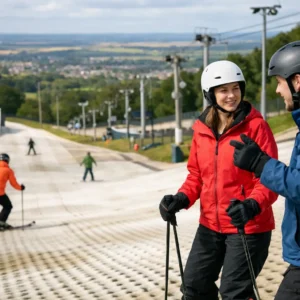
There are situations where teaching yourself is not a complete disaster. Dry slopes in the UK, short practice sessions and low-consequence terrain can all give you a feel for sliding, balance and equipment. If you are disciplined, cautious and realistic about your level, you can make some early progress.
It also helps if you are not truly alone. A capable skier with patience, clear communication and an understanding of basic technique can provide useful support. The problem is that good skiers are not automatically good teachers. Many can ski beautifully without being able to explain movement in a way a beginner can use. Worse, friends often push too hard, too early, because what feels gentle to them feels steep to someone new.
For returners who skied years ago and just need to shake off rust, self-practice can be enough for the first hour or two. But even then, one refresher lesson often sorts out more than a full day of guesswork.
Group lessons, private lessons, or a mixed approach?
The ski lessons vs self taught choice is not always all or nothing. Many skiers do best with a mixed approach, especially on a one-week trip.
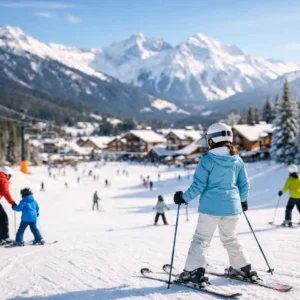
Group lessons are usually the most cost-effective option. They provide structure, mileage and the useful reassurance that everyone else is also learning. A strong ski school will separate ability levels properly and keep the pace moving. For complete beginners, that social aspect can make the first days feel much less intimidating.
Private lessons cost more but can be excellent value if time is tight or confidence is fragile. The teaching is tailored, feedback is immediate and progress can be much faster. They are particularly useful for adults who have picked up bad habits, nervous skiers returning after injury, or intermediates stuck at the same level for several seasons.
A sensible middle ground is to book lessons early in the holiday, then use the afternoons or later days to practise independently. That way you get expert input when it matters most, but still keep the freedom to explore and ski with friends.
What beginners should do on a one-week trip
If you are new to skiing, the strongest recommendation is simple: take lessons from day one. Three to five mornings with a reputable ski school gives you the best chance of finishing the week with genuine confidence rather than just a collection of near misses.
If budget is tight, prioritise the start of the holiday over the end. Early instruction shapes everything that follows. Once your stance, stopping and basic turns are in place, independent practice becomes far more productive.
For families, lessons also remove pressure from the group. Parents rarely enjoy being full-time instructors, and children often learn better from someone who is not Mum or Dad. The same applies to couples, for fairly obvious reasons.
What more experienced skiers can learn from lessons
There is a persistent myth that lessons are only for beginners. In reality, plenty of intermediate skiers plateau because nobody has corrected the small flaws that hold them back. If you avoid ice, dislike steep reds, struggle in bumps or feel out of control when the snow turns heavy, you are a good candidate for coaching.
A lesson at that stage is less about learning to ski and more about skiing better. Subtle changes in line, edging, pole use or rhythm can make the mountain feel very different. For many skiers, one focused session does more than another week of repeating the same turns.
That is where specialist instruction really earns its keep. Good coaching is not about making skiing look technical for the sake of it. It is about making it feel easier, calmer and more adaptable in real resort conditions.
So, should you choose ski lessons or go self taught?
For most beginners, lessons are the better route by a clear margin. They improve safety, accelerate progress and give you a stronger technical base. They also make the holiday more enjoyable, because skiing becomes less about coping and more about actually experiencing the mountain.
Self teaching has a place, but mostly as a supplement rather than a replacement. It works best for short practice sessions, confident returners and those using easy terrain to reinforce what they have already been shown. It is far less effective as a complete learning strategy, particularly in the compressed, high-cost setting of a ski holiday.
If you are weighing up where to spend your money this season, put at least some of it towards instruction. Better technique pays you back every single run after that. And in a sport where confidence and control shape the whole day, that is money well spent.