You only notice the small print when something goes wrong – a twisted knee on day two, a missing ski bag at Geneva, or a white-out that shuts half the resort you booked months ago. That is why ski holiday insurance tips are worth getting right before the first snowfall, not while you are sitting in a clinic filling in forms with one glove on.
Winter sports cover is not a box-ticking extra. Skiing and snowboarding create different risks from a standard city break or beach trip, and insurers price and define those risks very carefully. For UK travellers, the difference between a policy that looks cheap online and one that actually works in resort can be the difference between a straightforward claim and a very expensive lesson.
Ski holiday insurance tips for choosing the right policy
The first rule is simple: do not assume standard travel insurance includes winter sports. Many policies exclude skiing and snowboarding unless you add specific cover, and some only include piste skiing while treating everything else as a higher-risk activity. If your trip includes snowboarding, park laps, a lesson outside the marked area, or a few days ski touring, you need to check those points line by line.
Medical cover is where most people should focus first. Mountain rescue, ambulance transfers, emergency treatment and repatriation can become serious costs very quickly, particularly in alpine destinations where helicopter evacuation is part of normal resort operations. A low premium means very little if the medical limits are thin or the exclusions are broad. Look for cover that clearly includes winter sports injuries and emergency transport from the mountain, not just treatment once you reach hospital.
It also pays to be realistic about the kind of trip you are taking. A family week in a major French resort, a university trip, a season-long stay, and a guided backcountry holiday all need different levels of protection. Annual multi-trip cover can be good value if you travel often, but only if the winter sports add-on is included for every trip and the duration limit suits your plans.
Do not gloss over the off-piste wording
This is where many policies part company with how people actually ski and ride. Some insurers define off-piste as anywhere outside marked runs. Others will cover off-piste only when you are with a qualified guide or instructor. Some exclude it entirely.
That matters even if you think of yourself as a piste skier. In poor visibility or after fresh snow, it is easy to stray from a marked edge or follow a traverse that sits outside the formal boundary. In some resorts, what feels like normal lift-access terrain may still count as off-piste in insurance terms. If you enjoy powder days, sidecountry laps or itinerary routes, read the definitions carefully rather than relying on your own idea of what counts.
The same goes for terrain parks. Jumps, rails and halfpipes can be excluded or restricted by some providers, particularly for snowboarders or younger travellers. If park riding is part of your week, that should be stated in the policy rather than assumed.
Understand the excess before you buy
A policy can look competitive until you notice the excess applies to every section of a claim. That might mean one charge for medical treatment, another for your damaged skis, and another for lost baggage. In a minor incident, a high excess can reduce the claim to almost nothing.
This is especially relevant for families and groups travelling with hired kit, multiple ski bags and pre-booked lessons. A cheaper policy with a chunky excess may not represent value if the likely claims are smaller but more frequent. Paying a little more for a lower excess can make more sense than chasing the lowest headline price.
Check what happens to your kit and hired equipment
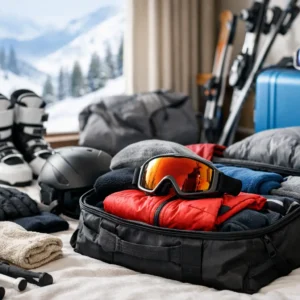
Ski and snowboard holidays involve more specialist gear than most trips, and it is not cheap to replace. Cover for personal equipment should include skis, snowboards, boots, poles, helmets and outerwear, but insurers vary in how they calculate value. Some deduct heavily for age and wear, while others set low single-item limits that fall well short of modern kit prices.
If you travel with your own equipment, check the payout limits against what your gear would actually cost to replace. If you are hiring, look closely at hired equipment cover too. That can protect you if your rental skis are stolen or damaged, but it may not cover every situation. Damage caused while using the kit normally is often treated differently from negligence, and insurers may expect a police report or written confirmation from the rental shop.
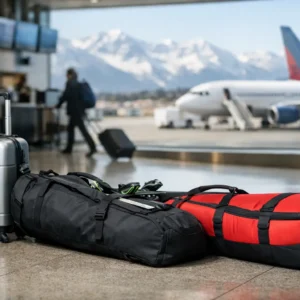
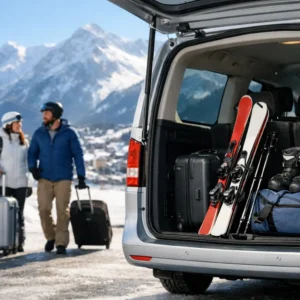
It is also worth knowing whether your ski bag is covered during transit. Airlines misplace winter sports luggage every season, and a delayed bag on a week-long holiday can force you into immediate hire costs. Some policies pay for emergency replacement hire if your equipment is delayed, which can be far more useful than a headline baggage figure that only applies later.
Lift pass, piste closure and avalanche cover can be genuinely useful
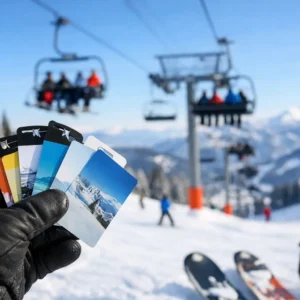
These are the extras people often ignore until they need them. Lift pass cover may reimburse unused days if injury or illness ends your skiing early. That matters more now that six-day passes in major resorts can be a significant part of the trip cost.
Piste closure cover is more nuanced. It can help if weather conditions mean the local ski area cannot operate and there is no reasonable alternative. But the terms are often strict. Partial closure is usually not enough, and the policy may require official confirmation from the resort. It is best seen as a useful backstop rather than a guarantee against poor snow.
Avalanche cover is another detail worth checking, especially for trips in high season or to resorts with extensive off-piste terrain. Some policies will cover delays, extra accommodation or transport disruption linked to avalanche risk. Others mention winter sports but exclude the practical fallout that severe mountain weather can cause.
Health declarations are not optional
This is one of the most common reasons claims go wrong. If you have a pre-existing medical condition, however well managed, declare it. That includes conditions you may not think of as relevant to skiing, such as asthma, heart issues or previous knee injuries. A claim can be challenged if the insurer believes the condition should have been disclosed.
For skiers and snowboarders, previous orthopaedic injuries are particularly relevant. If you have a history of ligament damage, shoulder dislocations or recurring back problems, be upfront. It may affect the premium, but it is better than discovering a gap in cover after an accident.
Follow resort rules and keep records
Insurance is not only about what is written in the policy. It is also about whether you behaved in a way the insurer considers reasonable. Skiing under the influence, ignoring marked closures, or heading into restricted terrain can all jeopardise a claim. So can leaving your skis unattended outside a bar without securing them.
If something does happen, document it properly. Report theft to the police and the resort operator if required. Keep receipts for emergency purchases, medical paperwork, lift pass confirmations and written notes from guides, instructors or rental shops. Take photos where appropriate. Claims are usually much easier when there is a clear paper trail.
Ski holiday insurance tips for families, groups and seasonaires
Not every traveller needs the same cover. Families should look closely at cancellation terms, as illness before departure can affect several people at once. Parents may also want to check whether children on the policy are covered for ski school, childcare disruption and hired kit.
Groups should pay attention to shared bookings. If one injured traveller causes others to change plans, not every policy will treat that the same way. University groups and younger travellers should also watch for alcohol-related exclusions, as those can be applied quite firmly.
Seasonaires and long-stay travellers need to be even more careful. A standard annual policy may cap individual trips at 17, 21 or 31 days, which is no use for a winter working in the Alps. If you are out for the season, make sure both the trip length and the work you are doing are covered. Chalet work, instructing and resort driving may all change the type of insurance required.
The cheapest policy is rarely the best value
There is nothing wrong with shopping around, but the right comparison is not just premium against premium. Compare the medical limits, off-piste wording, equipment limits, excess levels and cancellation cover. Then compare those details against the trip you have actually booked.
A beginner on a short package holiday may not need the same level of flexibility as an advanced rider travelling with expensive kit and a guidebook full of lift-access lines. Equally, a confident skier should not assume experience removes the need for cover. Plenty of mountain mishaps involve strong skiers moving fast, hiring a car in poor weather, or making one tired decision at the end of the day.
Good insurance should feel slightly boring when you buy it. That is usually the sign you have done the practical work properly. For UK skiers and snowboarders, the best policy is the one that matches how you ride, where you are going and what you would struggle to pay for yourself if the week turns sideways. Sort it before you travel, save the documents somewhere easy to find, and then get on with the far more enjoyable business of watching the forecast.