A six-day lift pass can now cost more than a short European city break before you have even clipped into a binding. So, is skiing expensive? It certainly can be, particularly for a family travelling in peak school-holiday weeks. But the headline price rarely tells the whole story. Where you ski, when you travel, how you book and what you already own can shift the cost dramatically.
For UK skiers and snowboarders, a week in the mountains is usually a major annual spend rather than a casual weekend away. That does not make it poor value. A good holiday combines accommodation, outdoor sport, mountain restaurants, lift access and a full day’s activity in a way few other breaks can. The key is understanding which costs are fixed, which are optional and where paying more genuinely improves the experience.
Is skiing expensive for a UK holidaymaker?
A self-catered week in a mainstream Alpine resort can be managed on a sensible budget, while a prime-week stay in a high-altitude Swiss, French or North American resort can become seriously costly. The difference is not simply one of luxury. School holidays, resort altitude, exchange rates, flight availability and local lift-pass pricing all matter.
As a broad planning figure, an adult booking a week in the Alps from the UK might spend anywhere from around £900 to £2,000 or more, excluding new equipment purchases. At the lower end, that could mean a package deal, shared self-catering accommodation, a lower-priced resort and meals prepared in the flat. At the upper end, think peak dates, flights at short notice, a large linked ski area, restaurants most evenings and a hotel or catered chalet.
A first trip usually costs more because beginners may need lessons, rental equipment and clothing. Yet it is also the point at which smart choices have the greatest effect. There is little sense buying a full wardrobe of technical kit before discovering which fit, style and discipline suits you.
Where the money goes on a ski trip
Travel and accommodation set the baseline
Flights, transfers and beds are often the biggest variables. Saturday changeovers in February command a premium, especially for popular French resorts. Travelling on a quieter day, choosing a train-friendly destination or driving as a group can reduce the pressure on the budget, although fuel, tolls, parking and the effort of carrying kit need to be counted honestly.
Accommodation is about more than the nightly rate. A cheaper flat a bus ride from the lift may be excellent for a group happy to self-cater, but less appealing for families managing ski school drop-offs. A central hotel can cost more yet save time, taxi fares and the daily logistical drag that can blunt a short break. For many regular skiers, slope access is one of the few upgrades worth protecting.
Lift passes are a substantial fixed cost
Lift passes have risen sharply at many major resorts, and they are difficult to avoid if the aim is a proper mountain week. Six-day passes in leading French domains commonly sit in the several-hundred-euro range, with Switzerland and North America often higher still. Smaller areas, beginner passes and local rather than full-domain tickets can be considerably cheaper.
The right pass should reflect the group, not the trail map’s marketing power. A novice does not need access to 600km of pistes. Equally, a confident rider on a week-long trip may regret saving a modest amount only to be confined to a small local sector when fresh snow arrives on the far side of the valley. Check whether passes are discounted for families, students, seniors, beginners or multi-resort stays, and buy in advance where the saving is real.
Equipment is expensive only if you buy at the wrong moment
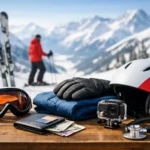
A complete new ski or snowboard set-up is a meaningful investment. Skis or a board, boots, bindings, outerwear, goggles, helmet, gloves and layers can quickly run beyond £1,000. Premium kit can comfortably take that higher.
But ownership is not compulsory. Rental makes excellent sense for first-timers, children whose feet are still growing, occasional holiday skiers and anyone wanting to test different categories of ski. It also removes the inconvenience of airport baggage charges and transfer loading. Boots are the item where fit matters most, so regular skiers often choose to buy their own once they know what works.
For those building a set-up gradually, prioritise boots, helmet, goggles and dependable layers. A well-fitted pair of boots can transform a day on snow more than a fashionable jacket or the latest all-mountain ski. End-of-season sales, reputable second-hand options and ex-rental skis from a trusted shop can all offer value, provided bindings are professionally checked and serviced.
Food, drinks and the small extras add up
Mountain lunches are one of skiing’s great pleasures, but daily restaurant stops can quietly become one of the week’s largest bills. A piste-side lunch, coffee and après drink may cost more than expected in a major resort, particularly where the pound is weak against the euro or Swiss franc.
Self-catering does not mean surviving on pasta every night. Breakfast in the flat, packed snacks in a pocket and a few evening meals cooked with local ingredients leave room in the budget for the restaurant you actually want to remember. Supermarkets away from the resort centre are often better value, and a refillable water bottle avoids repeated small purchases.
Do not overlook ski carriage, travel insurance with winter-sports cover, local tourist taxes, locker hire, airport parking and gratuities. None should derail a holiday alone, but together they can make a carefully priced trip look less cheap.
The choices that change the price most
Timing is usually the single biggest lever. Christmas, New Year, half-term and Easter school holidays are expensive because demand is intense. January, March outside key dates and early April can offer better availability and lower prices, though snow reliability must be judged resort by resort. A high-altitude destination can be worth the additional spend if it protects the quality of a once-a-year trip.
Resort choice matters just as much. The famous, extensive names offer exceptional terrain, lift infrastructure and atmosphere, but they do not automatically deliver the best week for every group. Smaller French, Italian, Austrian or Andorran resorts can provide enough terrain for intermediates at a gentler price point. Bulgaria and some Eastern European destinations can also make learning more accessible, although transfer times, snowmaking, language support and the overall mountain experience vary.
Group size is another quiet advantage. Sharing a flat, a hire car or supermarket shop makes skiing noticeably more affordable. Solo travellers face the opposite challenge, as single supplements and private rooms can distort a trip budget. Joining a club trip or travelling with friends can be a practical answer as well as a social one.
How to spend less without making the holiday worse
The best savings are made before departure. Compare the total cost, not the promotional price: include luggage, transfers, lift passes, rental, lessons and meals before deciding which option wins. Booking early is often useful for school-holiday travel, while late deals can work for flexible couples able to leave outside peak weeks.
Choose lessons with care. For beginners, a proper group lesson is money well spent and can prevent a frustrating first week. For improving skiers and snowboarders, a few hours with an instructor or guide may be more valuable than another expensive après session, especially in a new or complex ski area.
At home, dry-slope and indoor-snow practice can lower the cost of learning on holiday. It is not a replacement for a mountain environment, but arriving able to use a lift, control speed and understand basic equipment means more of a paid-for week is spent enjoying the pistes. UK clubs, local snowsports centres and equipment swaps also make the sport more accessible between trips.
When spending more is worth it
There are areas where cutting costs can be a false economy. Accommodation that leaves everyone exhausted before the first lift, unsuitable clothing in poor weather, inadequate insurance or badly fitted rental boots can damage the entire week. The same applies to choosing a low resort in a warm period simply because the brochure price is attractive.
Spend on the factors that match your priorities. Families may value convenience and ski school. Strong skiers may value a large lift-linked area, off-piste guiding or reliable high terrain. A first-timer may get more from a welcoming, compact resort and good instruction than from a famous name.
Skiing is not a cheap pastime, and pretending otherwise helps nobody planning their first holiday. Yet it is far from a sport reserved only for luxury travellers. With realistic expectations, flexible dates and decisions based on how you actually ski or ride, the cost can be controlled without stripping away the mountain moments that keep people coming back season after season.
Related Posts:
Categories: Resort News & Reports
Leave a Reply
You must be logged in to post a comment.