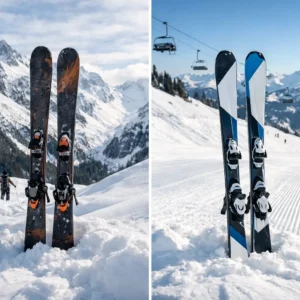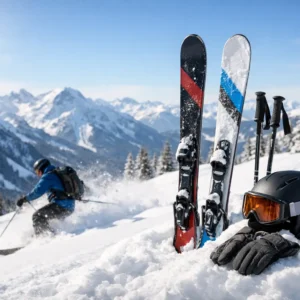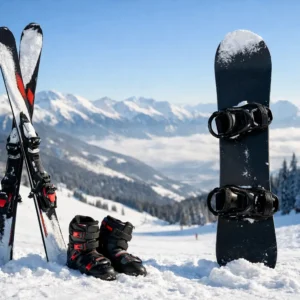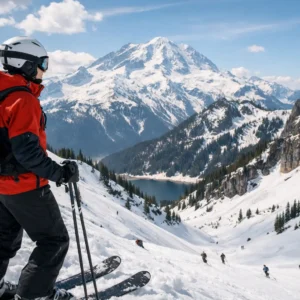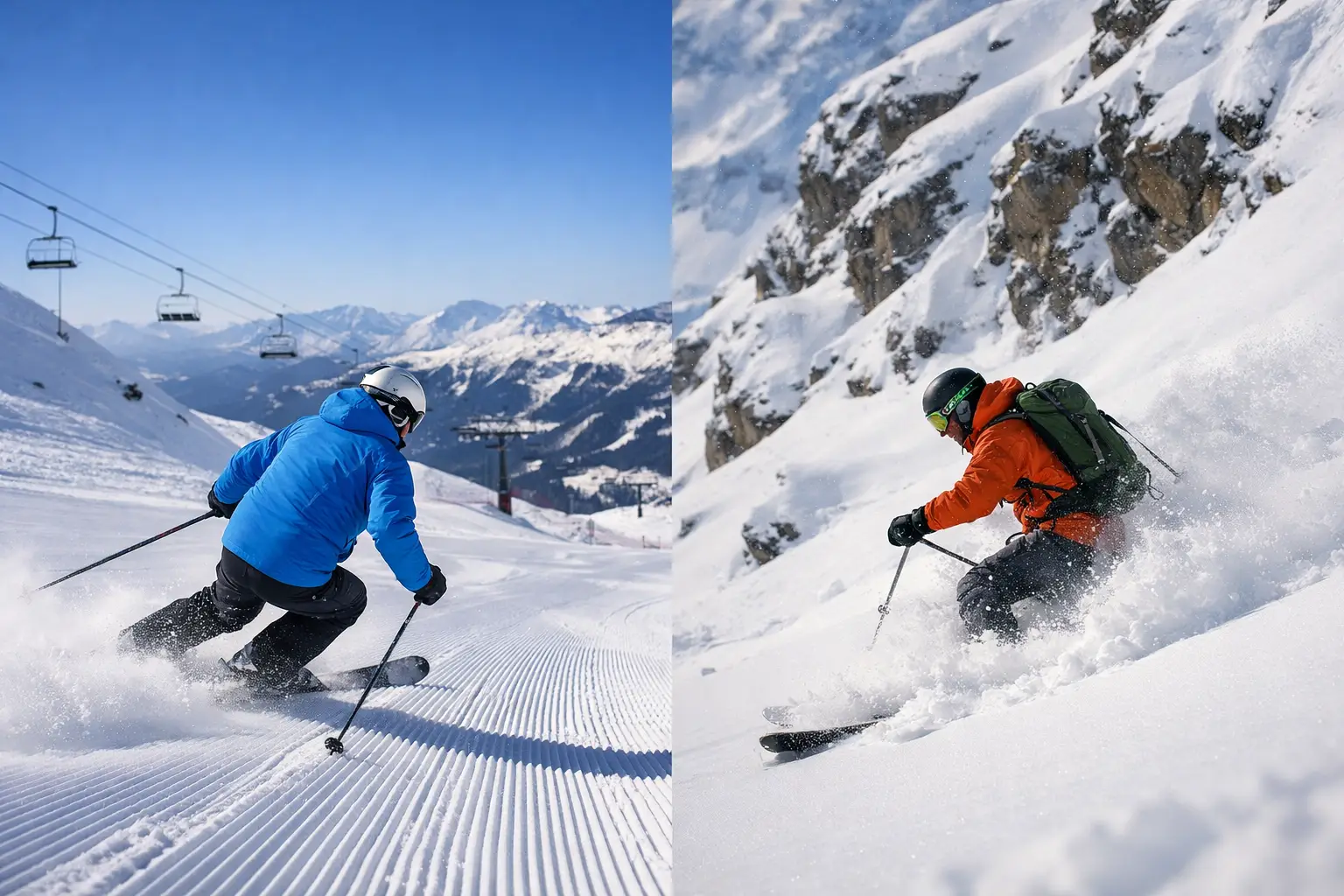
The difference between a brilliant ski holiday and a deeply frustrating one often comes down to one question: are you happiest on groomed runs, or are you really craving something wilder? Piste skiing vs off piste is not simply a matter of marked trails against fresh powder. It is a choice about technique, risk, terrain, fitness, kit and, quite often, what sort of mountain day you actually enjoy.
For plenty of UK skiers, the answer changes with experience, snow conditions and who they are skiing with. A week lapping immaculate corduroy in Austria can be exactly right in January, while a guided powder day in France might be the reason you booked the trip in the first place. The key is understanding what each style demands before you commit your time, money and energy to it.
Piste skiing vs off piste: what is the real difference?
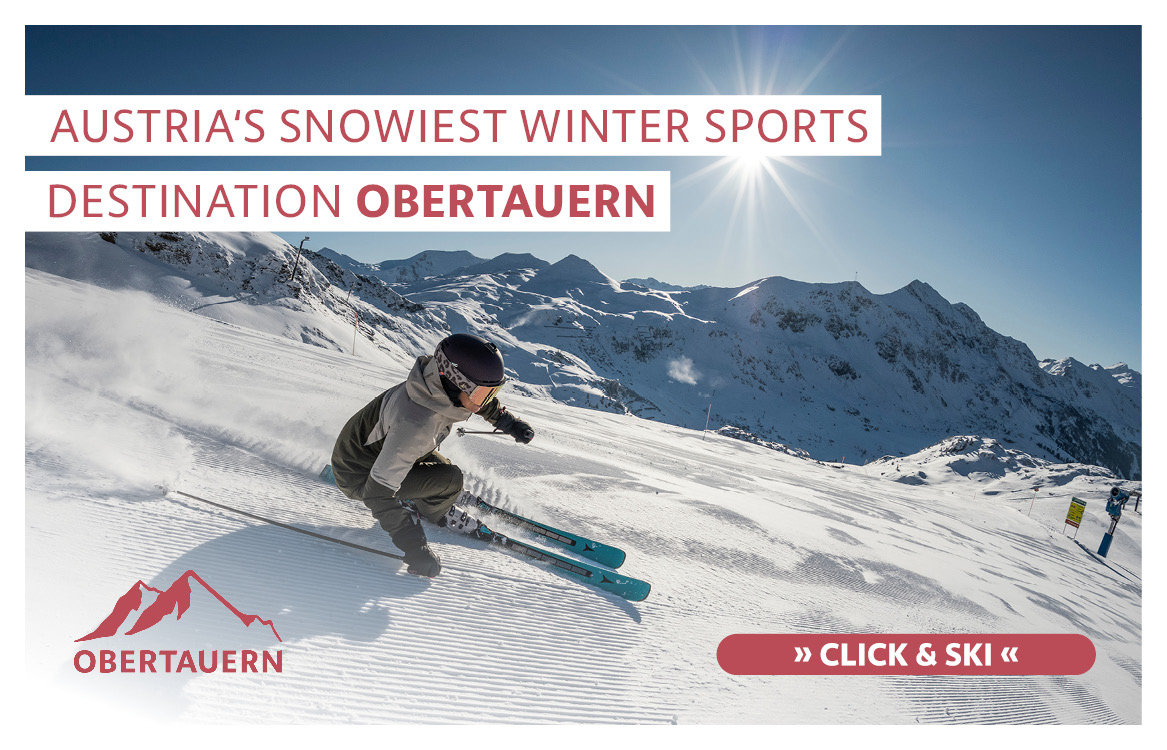
Piste skiing takes place on marked, maintained runs within the ski area. These pistes are usually groomed, patrolled and graded by difficulty, so you know whether you are dropping into a blue cruiser, a red with a steeper pitch or a black that asks more of your technique. The snow surface is more predictable, signage is clearer and rescue access is generally faster if something goes wrong.
Off piste means skiing outside those marked, controlled runs. That can include terrain just beside a piste, open bowls accessed from a lift, couloirs, tree lines or glacier itineraries. Some of it may look close to the resort, but that does not make it safe or managed. Once you leave the piste boundary, avalanche risk, route finding and snowpack assessment become part of the day.
That distinction matters because many skiers underestimate how big the jump is. A chopped-up area next to a red run might feel like a soft introduction, but proper off piste skiing requires different decision-making as well as different skiing skills.
Why piste still delivers for most holiday skiers
There is a tendency in some corners of ski culture to treat off piste as the more authentic option. That is nonsense. Well-groomed pistes can be hugely satisfying, and for many skiers they offer the best mix of progression, mileage and fun.
On piste, you can focus on rhythm, edge control and confidence without being constantly surprised by hidden lumps, crust, rocks or changing snow density. For beginners and intermediates, that consistency is vital. It helps build habits that carry across the mountain, from clean turns to speed management and awareness of other slope users.
Even experienced skiers often prefer piste for practical reasons. If you are travelling with mixed abilities, skiing with children or trying to maximise ski time on a short break, marked runs make life easier. Lift access is straightforward, lunch plans are simpler, and a poor weather day is far more manageable when visibility drops.
There is also the question of value. UK skiers are paying heavily for lift passes, accommodation and travel. If conditions off piste are poor – windblown, tracked, crusty or unstable – there is absolutely no shame in spending the day hunting the best groomers instead.
What draws skiers off piste
When off piste is good, it is very good. Fresh snow changes the feel of skiing entirely. Turns become more fluid, speed feels different, terrain opens up and the mountain starts to feel less like a network of runs and more like a landscape.
That sense of freedom is a major part of the appeal, but so is the challenge. Off piste asks for more adaptability. Snow can change from light powder to wind slab to breakable crust within a single descent. The best off piste skiers are not simply brave. They are balanced, patient and able to respond quickly when the mountain gives them something awkward.
For stronger skiers, that complexity is the attraction. It rewards skill, judgment and mountain sense in a way piste skiing does not always have to. It can also transform familiar resorts. Areas you have skied for years on piste can feel completely different once you start exploring lift-accessed freeride terrain with a guide.
Technique: the gap is real
One of the biggest mistakes skiers make is assuming solid piste performance automatically translates off piste. It helps, of course, but it is not the full picture.
On piste, good skiing often means carving clean arcs, staying centred and using a reliable rhythm. Off piste demands a looser, more responsive approach. You may need to absorb terrain changes, steer more subtly, vary turn shape constantly and cope with snow that resists your skis rather than supports them evenly.
Powder is only one version of off piste snow, and it is rarely the hardest. Heavy snow, tracked powder, wind-affected slopes and narrow entries can expose weaknesses quickly. If you are an intermediate who skis reds comfortably but gets unsettled by bumps or variable snow, the jump into off piste may be steeper than expected.
That does not mean you should avoid it. It means lessons and guided introductions are worth every penny. A good instructor can bridge the gap between piste habits and freeride technique far faster than trial and error.
Safety changes everything
This is where piste skiing vs off piste stops being a style debate and becomes a serious planning issue. On piste, the resort manages much of the risk. Hazards are marked, avalanche control may be carried out above runs, and patrol teams monitor the area.
Off piste, you take on more responsibility. Avalanche risk exists even in terrain that seems mellow, especially after fresh snowfall, wind loading or rapid warming. A line that looked inviting from the chairlift can have terrain traps, hidden rocks, cliffs or a complex exit.
If you are heading off piste, the bare minimum is proper preparation. That usually means skiing with a qualified mountain guide or knowledgeable instructor if you are new to it, carrying avalanche safety equipment where appropriate, and understanding that owning a transceiver is not the same as knowing how to use it. Training matters. So does conservative decision-making.
For many recreational skiers, guided off piste days are the sweet spot. You get the experience without pretending you know more than you do. That is not timid. It is sensible mountain behaviour.
Kit matters more than many people think
You can enjoy piste skiing on a broad range of all-mountain skis, especially if you spend most of your time on groomers with the occasional foray into softer snow. But the deeper you go into off piste terrain, the more useful purpose-built kit becomes.
Wider skis provide more float and stability in soft snow. Boots still need to fit precisely, but off piste skiers often prioritise a setup that can handle variable terrain rather than purely frontside precision. Clothing choices matter too, because hiking for a short access point or dealing with changing mountain weather adds another layer to comfort and safety.
Then there is the safety kit. Depending on terrain and conditions, that can include a transceiver, shovel and probe, and in some cases a backpack designed for mountain travel. Hiring or borrowing can work for a first guided day, but random kit with no training behind it is not a clever shortcut.
Conditions decide a lot
No article on piste skiing vs off piste is complete without saying the obvious: the snow makes the decision for you more often than your ambitions do.
A resort with fresh snowfall, stable conditions and a good local guide can deliver superb off piste skiing. The same resort, three days later after wind, sun and traffic, may be far more enjoyable on piste. Equally, a cold week with excellent grooming can make piste skiing feel fast, smooth and deeply rewarding.
This is where experienced skiers tend to become more flexible, not less. They stop forcing the mountain to fit the plan. If off piste is not on, they ski the best runs in the resort. If visibility is poor, they stay where navigation is simple. If the snow softens beautifully by late morning on south-facing pistes, they adjust and enjoy it.
Which is right for you?
If you are building confidence, skiing with family, returning after time away, or simply want maximum mileage with lower complexity, piste skiing is likely to give you the better holiday. There is more than enough challenge on marked terrain in major Alpine resorts, especially when conditions are firm or the runs are steep.
If you are a strong intermediate or advanced skier, enjoy technical improvement and are prepared to invest in instruction or guiding, off piste can open up a different side of the sport. It is not automatically better, but it can be more immersive, more demanding and, on the right day, unforgettable.
Most skiers do not need to choose one identity over the other. The smartest approach is often a blend. Ski piste when the grooming is superb, when the weather is poor, or when the group needs simplicity. Head off piste when the conditions justify it, the guidance is right and your skiing is ready for it.
That is usually the sweet spot for modern ski holidays – not chasing off piste for the sake of it, and not dismissing piste as the lesser option. Read the snow, be honest about your level, and let the mountain tell you what kind of day it is.