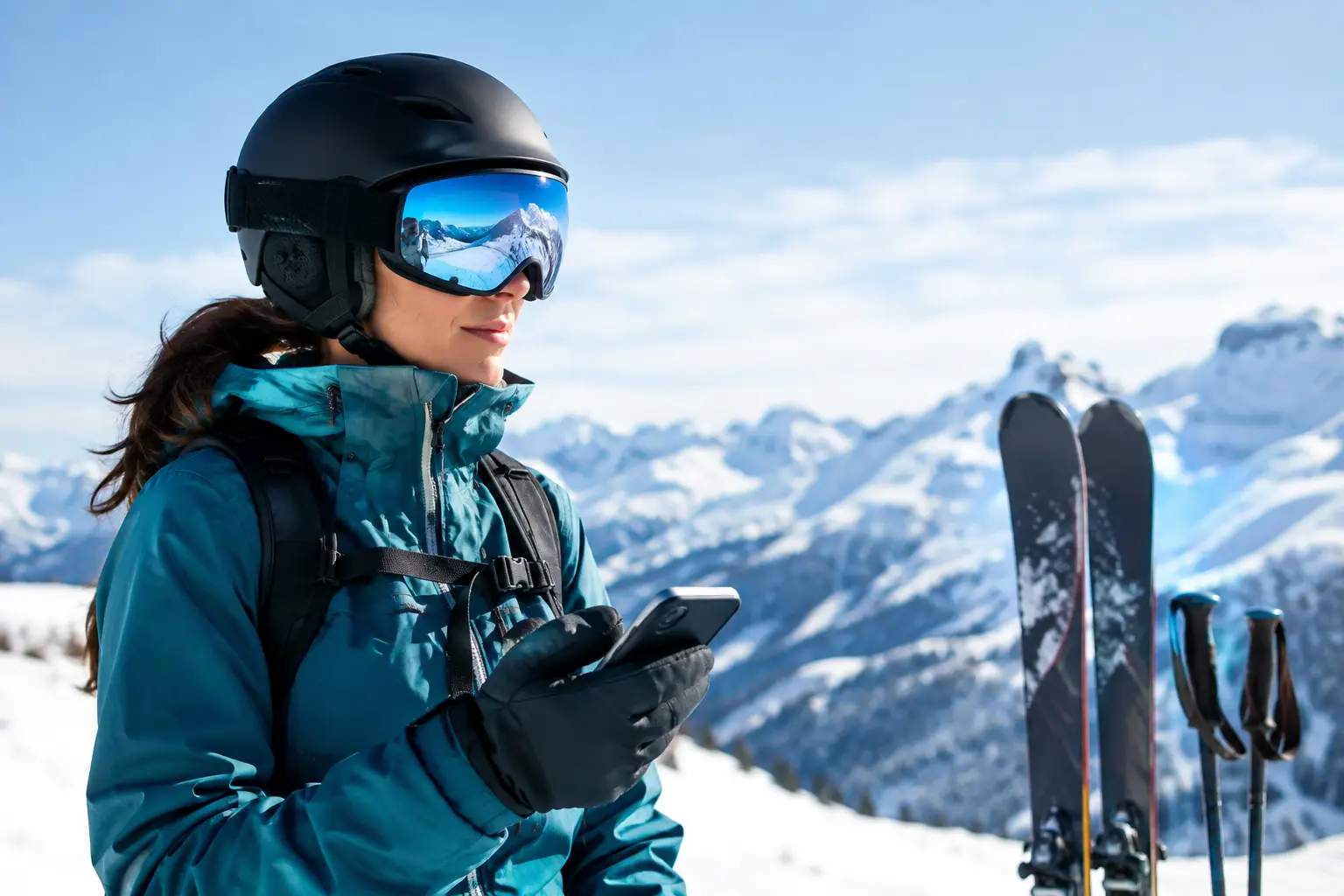
A few millimetres of shell pressure across the instep can ruin a full week in the Alps. Equally, a lift pass sitting on a mobile phone, a piste map that reacts to a sudden closure, or a better-tuned pair of skis can make the same holiday noticeably easier. That is where the most useful ski technology trends are heading: not towards novelty for its own sake, but towards better fit, clearer information and more dependable days on snow.
For UK skiers planning one or two precious mountain weeks each winter, the question is not whether every new gadget is clever. It is whether it earns space in the boot bag, or just adds cost and complication. Here are the developments worth following closely.
Ski technology trends that matter on snow
Boot fitting gets more precise, but still needs a human eye
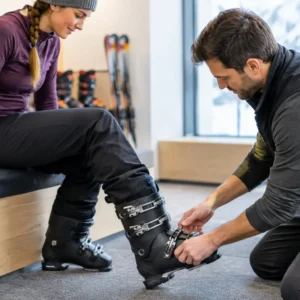
Boots remain the most important purchase in skiing, and the technology around fitting is improving rapidly. Retailers and boot specialists increasingly use digital foot scanning to measure length, width, volume, arch shape and asymmetry. Some systems create a three-dimensional model of the foot, giving a fitter a more useful starting point than the old method of trying on a series of shells and hoping for the best.
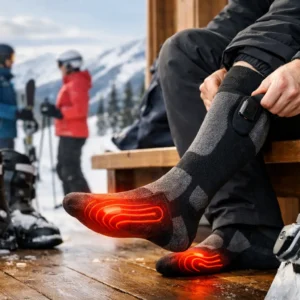
Heat-mouldable liners and custom footbeds are also more refined, while selected brands are using 3D-printed elements in liners and shell components. The potential is particularly appealing for skiers with awkward feet, prominent ankles or a long history of making do with painful boots.
There is a limit, though. A scan cannot tell a machine how aggressively you ski, whether you spend all day in a warm resort restaurant, or how your lower leg moves when flexing forward. Nor can it replace a skilled fitter checking shell fit, stance and pressure points. Treat digital measurement as a valuable tool rather than a verdict. The best outcome remains a properly assessed boot, with time allowed for adjustment after a few ski days.
Dial closures move beyond the fringe
BOA-style dial systems have become a serious talking point in ski boots. Instead of relying solely on traditional buckles, they use a cable-and-dial closure to wrap the lower shell or cuff with more even pressure. Advocates like the quick adjustment and the reduction in hot spots, particularly for skiers who find conventional buckles hard to fine-tune with cold hands.
The technology is not automatically better for everyone. Traditional buckles are familiar, simple to repair and give experienced skiers a very direct sense of how the shell is closing. Dial systems add mechanical complexity and, depending on the boot design, may not suit every foot shape or performance preference.
Still, this is no longer a gimmick to dismiss. If you are shopping for boots, try both systems on the same day and judge them standing, flexing and, if possible, on snow. Comfort and heel hold matter more than the closure system stamped on the side.
Smarter bindings put safety back in focus
Bindings have quietly become one of the most interesting areas of development. Better materials and engineering are allowing manufacturers to reduce weight while retaining power transmission and dependable release characteristics. For piste skiers, the aim is straightforward: a binding that holds securely when skiing hard but releases appropriately in a fall.
More advanced systems are also appearing, including electronically assisted release concepts designed to assess forces beyond the traditional mechanical setting. That is an intriguing direction, especially given the complexity of knee injuries, but it should be viewed with sensible caution. No binding can guarantee protection, because falls are unpredictable and injury depends on speed, snow, body position and many other factors.
What every skier can act on now is less glamorous: have bindings checked and adjusted by a qualified technician, declare your current weight, height, age and skier type honestly, and make sure the boot sole standard matches the binding. A new pair of boots is an especially good moment to check the whole system.
Materials are changing the feel of skis
The search for lighter, more versatile skis has not stopped, but the better examples are resisting the temptation to make every ski ultralight. Carbon, flax, basalt and carefully placed titanal are being used to tune a ski’s character rather than simply chase a lower number on the scales.
Flax and other natural fibres can help damp vibration, producing a calmer ride in chopped-up afternoon snow. Carbon can add liveliness and edge response, but too much can leave a ski feeling nervous. Recycled sidewalls, bio-based resins and lower-impact manufacturing processes are becoming more common too, which is welcome in a sport exposed to the realities of a warming climate.
For buyers, the useful trend is choice. A lighter ski can make travel and all-day skiing easier, while a damper, heavier construction may reward someone who likes speed on firm pistes. Do not assume a new material makes a ski universally superior. Demo days and good shop advice remain more revealing than a construction diagram.
Resort technology is becoming part of trip planning
The most visible advances may not be in your kit at all. Resorts are investing in systems that manage lifts, snow and visitor movement more intelligently, partly to improve the experience and partly to operate more efficiently when weather windows are tight.
Snowmaking becomes more targeted
Modern snowmaking is increasingly data-led. Weather stations, automated guns and forecasting software allow resort teams to make snow when temperature and humidity conditions are most favourable, rather than running equipment indiscriminately. Some systems can adjust output across a piste to account for exposure, traffic and snow depth.
This does not create winter from nothing. Snowmaking needs cold temperatures, water, energy and careful management. It is best understood as a tool to protect key routes, nursery areas and links between sectors, not a substitute for sustained natural snowfall.
For holidaymakers, that distinction matters when choosing a resort in an uncertain season. High altitude, a broad range of aspects, strong lift connections and a credible snowmaking network together offer more resilience than a single marketing claim about snow reliability.
Live information is useful when it is genuinely live
Resort apps now commonly combine piste status, lift openings, webcams, weather, parking, digital lift passes and sometimes live lift wait times. At their best, they help families choose a meeting point, let groups avoid a closed sector and save everyone from a wasted traverse in poor visibility.
At their worst, they duplicate information without updating quickly enough. A map showing a lift as open is of little use if wind has stopped it ten minutes earlier. Use apps alongside the view from the lift station, mountain staff updates and ordinary mountain judgement. A charged mobile phone and a small power bank are sensible additions, but neither replaces knowing where you are on the piste map.
Safety technology works best with good decisions
For off-piste skiers and snowboarders, electronic safety equipment is advancing quickly. Avalanche transceivers are easier to use, with clearer displays and better multiple-burial functions. Airbag packs are lighter than earlier generations, and satellite communicators can provide a route to emergency contact beyond mobile coverage.
These are meaningful developments, but their value depends on training and practice. A transceiver buried in a rucksack, a probe never assembled before, or an airbag carried as a confidence boost will not make a group safe. Anyone heading beyond marked runs should understand local avalanche information, carry suitable equipment where appropriate, practise with it, and choose terrain that matches the group’s judgement as well as its skiing ability.
Wearable crash detection and emergency alerts also have a place, particularly for solo exercise or for keeping contact with family. They are less relevant than many brands suggest on a busy piste, where a straightforward plan, sensible speed and skiing within control do more for safety.
What to buy now, and what to watch
The best technology purchases are usually the unglamorous ones. A correctly fitted helmet with current safety standards, goggles that suit flat-light days, boots that fit properly and properly serviced bindings will affect nearly every run. If your existing equipment is sound, there is no need to replace it because a new app, composite or closure system has arrived.
Watch the next generation of custom boot components, lower-impact ski construction and more intelligent snow management with interest. They have the potential to improve the sport without changing what makes it worth travelling for: a good line, a settled rhythm and another lap with the people you came to ski with.