The familiar burn in the quads on a long descent is not just a reminder that you chose the wrong queue at lunch. It is evidence of a very particular physical demand. So, can skiing improve fitness? Absolutely – but the benefits depend on how you ski, how often you do it, the terrain you choose and whether your body is ready for the mountain in the first place.
A full ski day asks more of the body than many people expect. Even recreational skiers are repeatedly squatting, bracing, absorbing impacts, reacting to changing snow and moving across uneven ground, often at altitude. For UK skiers whose main exposure may be one or two holidays a season, skiing is unlikely to replace year-round training. It can, however, be a powerful and highly enjoyable part of a fitter lifestyle.
Can skiing improve fitness on a typical holiday?
Skiing is best thought of as intermittent exercise rather than a steady gym session. A run may last a few minutes, followed by a chairlift ride, a pause to adjust gloves or a longer stop for coffee. Yet across six hours on the hill, those repeated efforts add up, particularly when skiing firm pistes, bumps, spring snow or variable off-piste conditions.
The greatest physical gains tend to come in four areas: lower-body strength and muscular endurance, balance, coordination and cardiovascular capacity. There is also a less measurable but valuable benefit in confidence. Learning to stay relaxed while moving at speed over changing terrain requires concentration, body awareness and a willingness to keep practising.
The caveat is intensity. A gentle morning of cruising blue runs followed by a long mountain lunch is still a splendid day out, but it will not produce the same training effect as skiing continuously, seeking more varied terrain or working on technique with purpose. Nor is a week in the Alps a magic fix for months spent inactive at a desk.
Stronger legs, hips and core
Most skiers notice their thighs first, and for good reason. Through a turn, the quadriceps help control knee flexion and manage the forces travelling through the legs. Crucially, much of that work is eccentric: the muscle lengthens under load as it resists and absorbs force. Eccentric work is demanding, which explains the familiar ache after day one or two.
Skiing also recruits the glutes, hamstrings, calves and hip stabilisers. On steeper terrain or in chopped-up snow, the legs must react quickly while staying aligned over the feet. A skier with good hip strength is generally better placed to maintain posture as fatigue sets in, rather than dropping into the back seat and asking the thighs to rescue every turn.
The core contributes too, although skiing is not a shortcut to visible abdominal muscles. Its value is in stability: keeping the torso composed while the legs steer, absorb terrain and maintain pressure on the skis. Stronger trunk control can make a skier feel calmer and more precise, particularly in bumps, on hardpack or when visibility is poor.
For snowboarders, the pattern is slightly different but the broad fitness case is similar. A fixed stance creates sustained demands through the quads, glutes, calves and core, while edge changes and uneven snow challenge balance continuously. Repeatedly getting up after a fall can become a workout of its own for newcomers.
Balance and coordination improve where the snow is uneven
A treadmill gives you a predictable surface. A mountain rarely does. Skiers constantly make small adjustments through the ankles, knees and hips to stay centred as snow texture, pitch and speed change. This develops proprioception – the body’s sense of where it is and how it is moving.
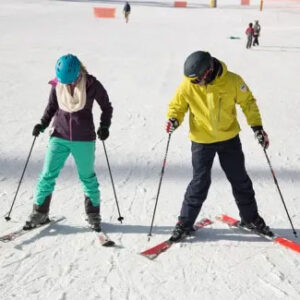
That benefit is particularly relevant for adults returning to skiing after a break, as well as those who want to remain active for longer. Better balance cannot guarantee that you will avoid a fall, but regular work on it can improve reactions and body control. Skiing lessons help here because an instructor can identify the habits that waste energy, such as rotating the upper body, standing too tall or relying on the inside ski.
Do not confuse skiing experience with invincibility, though. Fatigue steadily reduces coordination. The final run of the day, especially when the pistes are busy and scraped-off, is often when judgement matters most. Calling it a day before your technique unravels is sensible mountain management, not a failure of fitness.
What skiing does for stamina and heart health
Skiing can raise the heart rate quickly, especially on sustained descents, steeper slopes, in deep snow or at higher altitude. A strong skier linking runs with short lift rides may accumulate plenty of moderate-to-vigorous activity over a day. Carrying kit, walking in ski boots and navigating resort stairs add to the total, even if they are not the glamorous part of the holiday.
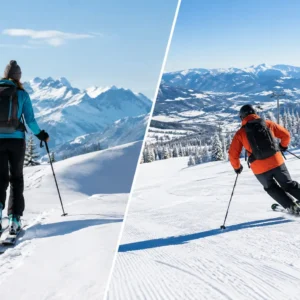
Still, skiing is not the same as running, cycling or swimming for 45 uninterrupted minutes. Lift-served skiing has built-in recovery periods, and the actual cardiovascular stimulus varies wildly between a quiet day of piste laps and a powder day with long traverses and boot packs. Cross-country skiing, ski touring and skinning generally offer a more sustained aerobic workout than alpine skiing, but they bring their own technical, weather and safety considerations.
Altitude complicates matters further. Your breathing may feel harder because the air contains less available oxygen, but that does not automatically mean you are becoming fitter. It means the body is working in a different environment. Ease into the first day, stay hydrated, eat properly and be cautious with alcohol, especially if you have travelled straight from sea level.
The trade-off: fitness benefits versus injury risk
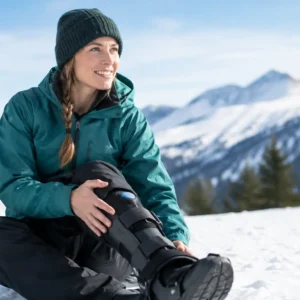
Skiing rewards preparation, and the gap between holiday enthusiasm and physical readiness is where many avoidable injuries begin. Tired legs can lead to slower reactions, poor alignment and a tendency to sit back. That is a less efficient way to ski and can place extra strain on knees and lower back.
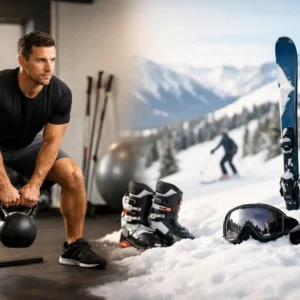
For anyone planning a week on snow, a simple pre-season routine makes a noticeable difference. Build leg strength with squats, split squats and step-ups; include calf raises and hip work; add core exercises that resist rotation; and use cycling, brisk hill walking, running or rowing to develop aerobic capacity. Balance drills, such as single-leg stands and controlled lateral movements, are especially useful because skiing is not simply a forwards-and-backwards sport.
You do not need to train like a racer to benefit. Two or three consistent sessions a week over the six to eight weeks before departure are more useful than one punishing workout the weekend before the flight. If you have a previous knee injury, persistent back pain or concerns about returning to exercise, seek individual medical or physiotherapy advice rather than trying to train through it.
How to make a ski week work harder for you
The aim is not to turn a holiday into a military camp. The best ski days combine enough challenge to feel satisfying with enough recovery to enjoy the next morning. Start with a proper warm-up: a few easy runs, gradually increasing the edge angle and speed, will prepare you better than launching straight onto the steepest black run in resort.
Use the mountain intelligently. Choose a mixture of terrain, take a lesson or guiding session to improve efficiency, and alternate demanding runs with easier ones. Better technique is fitness-friendly because it reduces unnecessary braking and tension. You may find that the same legs which used to fade before lunch can now manage a full afternoon with more control.
Fuel matters as well. A substantial breakfast, regular water and snacks that contain carbohydrate and protein will support long days outside. Resort lunches are part of the experience, but a heavy meal plus dehydration is a poor setup for an icy late-afternoon descent. Save the celebratory drink for when your skis are racked for the day.
A mountain sport worth training for
Skiing can make you fitter, particularly through stronger, more enduring legs, better balance and bursts of cardiovascular work. Its larger value may be that it gives fitness a compelling purpose. Training through a grey British autumn feels rather more worthwhile when it means more confident turns, more energy for the final lift and the freedom to explore beyond the same familiar piste.
Before your next trip, give your body a few weeks of focused preparation, then let the mountain provide the enjoyable test. Your skiing will feel better for it – and you may return home with more than photographs and tired quads.