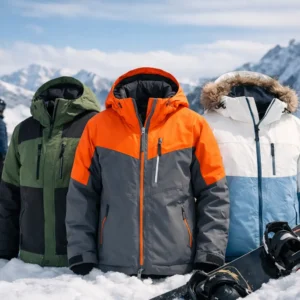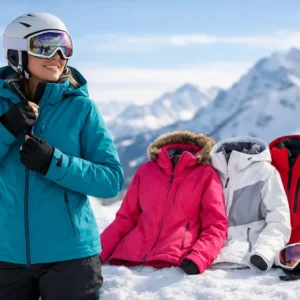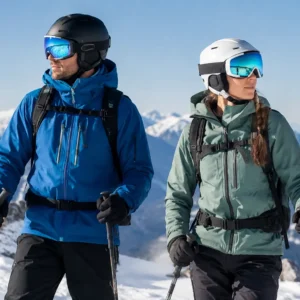
Standing at the top of a windy chair on a wet January day in the Alps, you find out very quickly whether you bought one of the best snowboard jackets for men – or simply a jacket that looked good under shop lights. Snowboard outerwear has to cope with more than a few turns and a coffee stop. It needs to deal with repeated falls, chairlift spray, changing temperatures and the simple fact that riders spend more time sitting in snow than skiers do.
That matters when you are choosing a jacket for a week in France, a storm cycle in Scotland or a dry indoor training session that turns into a spring park trip later in the season. The right jacket is not just about warmth. It is about weather protection, freedom of movement and having the sort of practical details that still make sense halfway through the day, with gloves on and snow blowing sideways.
What makes the best snowboard jackets for men?
A good snowboard jacket starts with waterproofing, but headline numbers only tell part of the story. Plenty of jackets now claim 15,000mm or 20,000mm waterproof ratings, and those figures are useful up to a point. For UK riders and anyone heading to wetter Alpine weeks, that level is a sensible starting place. If you mainly ride in fair weather or prefer park laps on dry, cold days, you can get away with less. The catch is that fabric quality, seam sealing and the jacket’s overall design often matter as much as the lab number on the swing tag.
Breathability is just as important. Snowboarding is stop-start. You can be cold on the lift, hot after a hike and then sweating hard while lapping a side hit line. A jacket that traps moisture can feel clammy by lunch even if it is technically waterproof. Pit zips still matter, and they matter more than some brands like to admit. So does the cut. If a jacket sits too close to your midlayers, it can feel restrictive and run hot. Too baggy, and you may lose heat on exposed ridges.
Then there is snowboard-specific function. A powder skirt is not essential for every rider, but it is genuinely useful if you ride off-piste, spend time in deeper snow or simply fall a lot. Longer cuts can work well for snowboarding because they offer extra coverage when sitting on cold snow, although they are not the only answer. Wrist gaiters, helmet-compatible hoods and pockets you can actually reach with gloves on are the sort of details that separate a decent jacket from one you keep wearing season after season.
Shell or insulated?
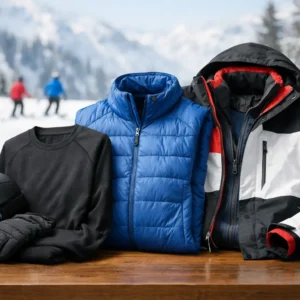
For many riders, this is the first real decision. A shell jacket gives you maximum versatility. You add your own fleece, synthetic midlayer or merino depending on the weather, which makes a shell a strong choice for UK users riding across indoor slopes, Scotland and Alpine holidays. It is also often the better option if you run warm or like to hike, tour or ride park.
Insulated jackets suit riders who want simplicity. If you tend to feel the cold, prefer one-jacket convenience or usually travel during midwinter, a lightly insulated snowboard jacket can make good sense. The trade-off is flexibility. If the sun comes out or your riding gets more active, a heavily insulated jacket can become too much very quickly.
In practice, many of the best options sit somewhere in the middle. They use light synthetic insulation in the body, keep the sleeves less bulky and still offer vents for warm afternoons. That combination works especially well for mainstream resort riding.
Fit matters more than fashion
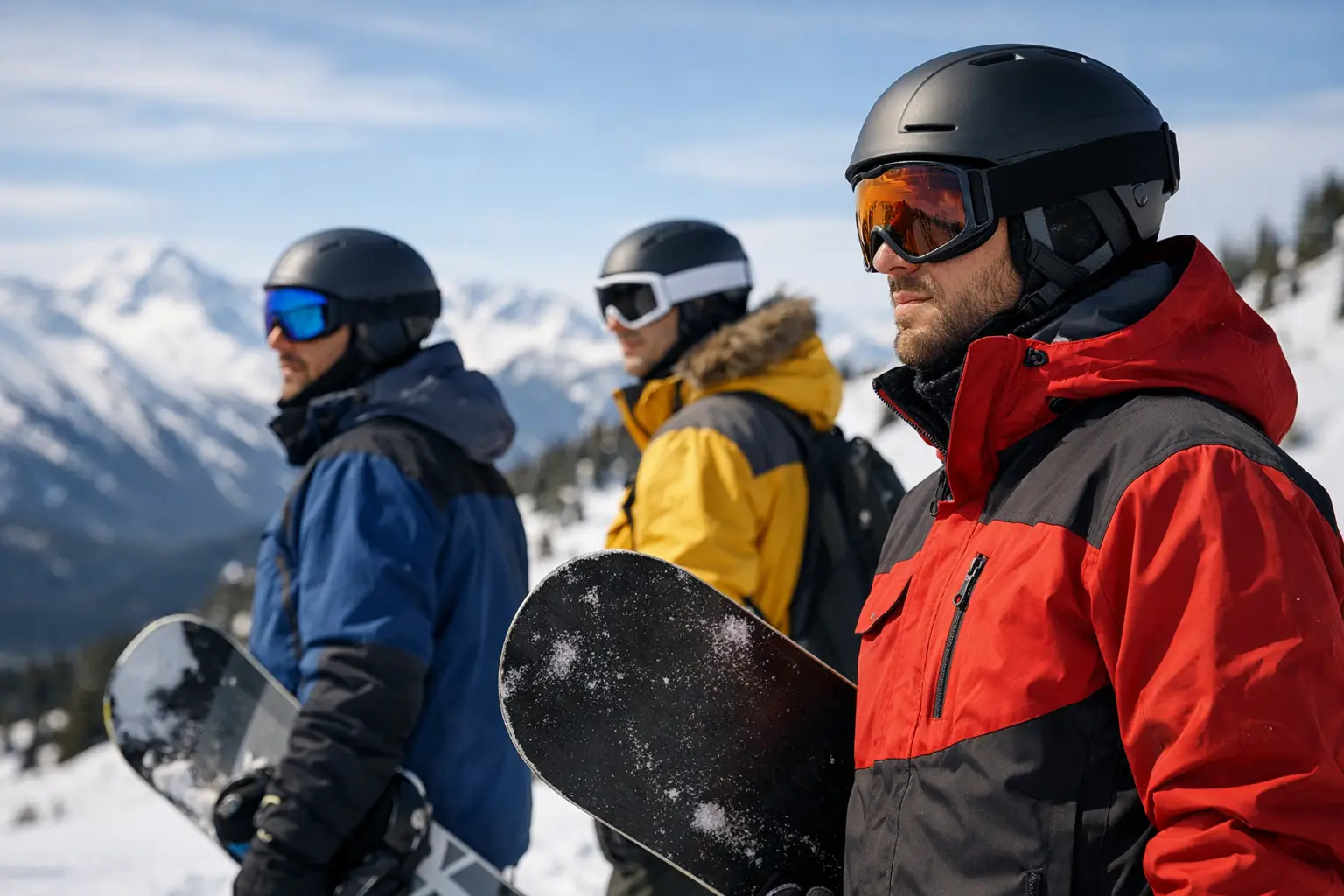
The best snowboard jackets for men do not all look the same because snowboarders do not all ride the same way. Freeriders often want room for layering, movement and back protection. Park riders may prefer a looser silhouette with enough length to keep snow out during repeated falls. Resort riders who split their time between pistes, sidecountry and the odd powder day often land somewhere in the middle.
What you are looking for is mobility without excess fabric flapping in strong wind. Raise your arms as if you are strapping in, twist through the torso and crouch low. If the hem rides up too far or the shoulders pull tight, it is the wrong cut regardless of the technology printed on the label. UK riders also need to be realistic about layering. If your January week usually involves a base layer, a midlayer and occasional extra insulation, try jackets with that in mind rather than overestimating how trim you want to look in the lift queue.
Fabric, membranes and durability
There is a lot of marketing in snowboard outerwear, but there are still some clear differences worth paying attention to. Premium shells tend to use more durable face fabrics, better membrane technology and stronger water-repellent finishes. You usually feel that in bad weather first. The jacket keeps shedding moisture instead of wetting out, and it continues to breathe more consistently over a full day.
That said, not every rider needs top-tier expedition-level kit. If you ride one or two weeks a year and mostly stick to pistes and resort terrain, a well-made mid-range jacket is often the sensible buy. Spend where it counts – waterproofing, venting, hood design and durability around cuffs and hems – rather than paying simply for a famous logo.
Durability is easy to overlook until late season. Snowboard jackets take abrasion from edges, bindings, backpack straps and chairlifts. Reinforced panels are useful, but even without them, sturdier outer fabrics tend to age better. If you are rough on kit, that matters more than chasing the lightest possible weight.
Features worth having – and those you can live without
Some features sound impressive and rarely change your day. Others quietly earn their place every time the weather turns. A good hood is one of the latter. It should fit over a helmet without blinding you when you turn your head. Poor hood design is still surprisingly common.
Vents are another non-negotiable for many riders. Proper underarm zips give you temperature control that no amount of so-called intelligent insulation can fully replace. Large hand pockets placed above a hip belt are useful if you carry a pack. An internal dump pocket is handy for gloves, goggles or a climbing skin on short hikes. A lift-pass pocket on the sleeve can be convenient, though it is less essential now that many resorts use modern scan systems.
By contrast, some add-ons are more personal. Media pockets and headphone routing feel less relevant than they once did. Jacket-to-trouser interfaces are useful for some, unnecessary for others. RECCO reflectors are a welcome extra, but they are not a substitute for proper avalanche training and equipment if you leave controlled terrain.
The jackets that suit different riders
Rather than pretending there is one perfect answer, it makes more sense to think in categories. For all-round resort use, the sweet spot is a 2-layer or 3-layer shell with strong waterproofing, reliable venting and a regular-to-roomy fit. This is the jacket many riders will get the most value from because it adapts across conditions and holidays.
If your focus is freeride and storm days, look towards higher-end shells with better membranes, a helmet-friendly hood, powder skirt and tougher fabric. These jackets cost more, but they come into their own when visibility drops and the snow turns heavy.
For park and spring riding, comfort and mobility move up the list. A lighter shell or lightly insulated jacket with a looser fit can be the better choice, particularly if you spend more time sessioning features than chasing vertical.
And if you feel the cold or ride mainly in midwinter, an insulated jacket with sensible venting is often the practical option. There is no shame in choosing warmth over theory, particularly if your annual trip tends to involve freezing lifts, long lunches outside and mixed weather.
How to shop wisely in the UK
British riders have slightly different buying habits because our season is often built around one main mountain holiday, occasional indoor slope sessions and, if we are lucky, a Scottish trip when conditions align. That means versatility usually beats specialisation. A jacket that works in Val d’Isere in January but leaves you overheating in March or underdressed on a rainy Cairngorm day is not always money well spent.
Try to buy with your full season in mind. If budget allows, a shell gives the broadest range. If not, a lightly insulated jacket often offers the easiest one-and-done solution. Also pay attention to brand sizing. Snowboard outerwear is notoriously inconsistent, and what one label calls relaxed another may call standard.
At Skier & Snowboarder, we would also argue for judging a jacket by how it rides rather than how it photographs. Clean styling matters, of course, but comfort on a long lift, easy movement through a carve and the ability to shrug off sleet at 2pm are what you remember.
Final word on choosing the best snowboard jackets for men
The best jacket is the one that fits your riding, your climate and your tolerance for bad weather. A dry, adaptable shell will suit many men better than a heavily insulated statement piece, but there are plenty of riders who will be happier in something warmer and simpler. Buy for the conditions you actually ride in, not the ones you imagine, and your jacket will earn its keep from the first chair to the last lap.