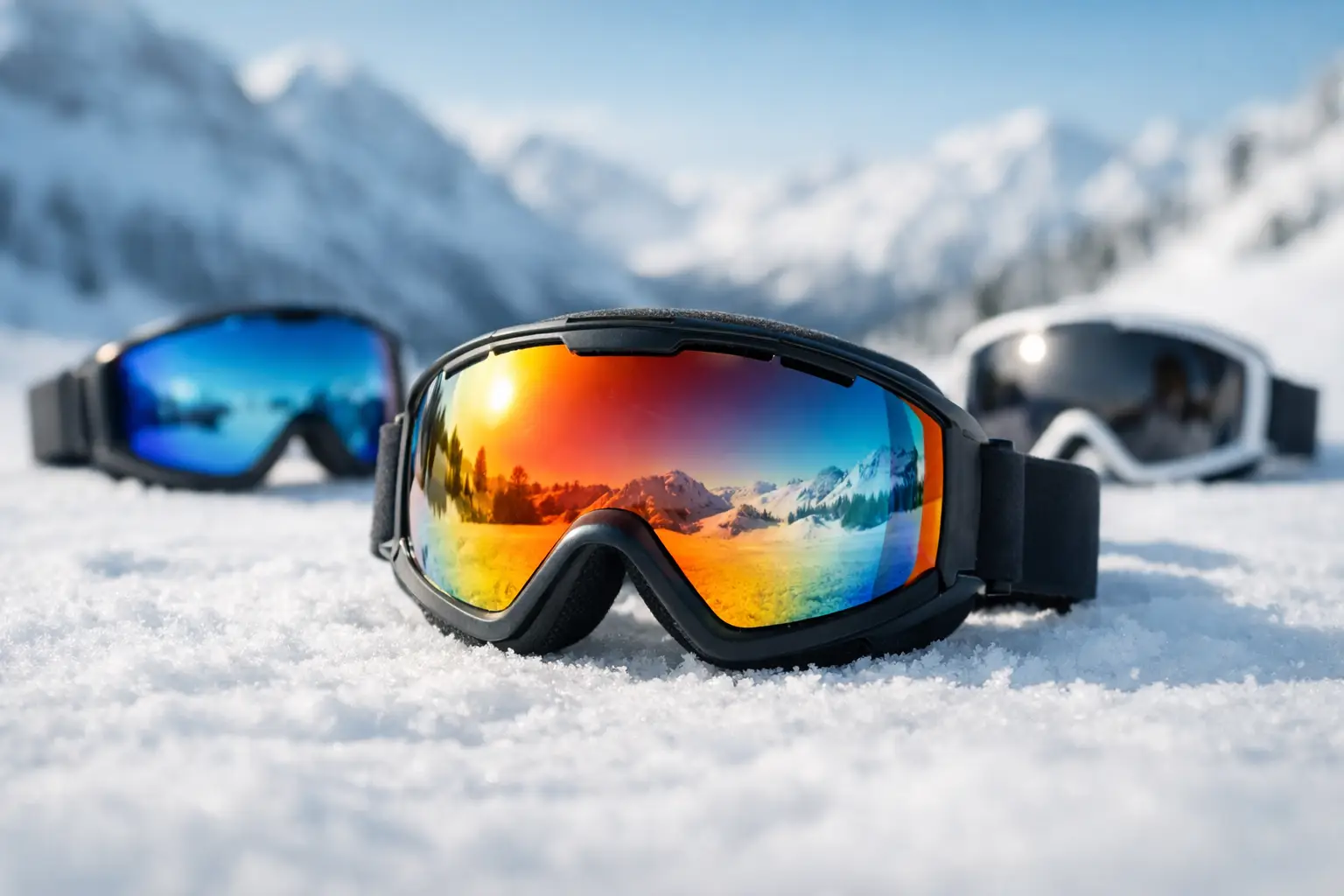
A fogged lens halfway down a flat-light piste is rarely just bad luck. It is often the result of a poor seal, restricted ventilation or goggles that do not sit properly with a helmet. This snowboard goggles fit guide focuses on the details that make a real difference when the weather turns, from a damp UK club slope session to a full week in the Alps.
Goggles are not simply an accessory to match a jacket. They protect your eyes from wind, snow and glare, while helping you read changes in terrain at speed. The right pair should feel almost unnoticeable once you are riding. The wrong pair can pinch your nose, leave gaps for cold air and make every cat track feel narrower than it is.
Start with the seal, not the strap
The foam around the frame should sit evenly against your face, following the contours of your cheekbones, brow and nose without obvious gaps. Put the goggles on with the strap only lightly tensioned, then press the frame gently into place. A good fit creates a soft, consistent seal rather than requiring the strap to pull the goggles hard against your skin.
Pay particular attention to the bridge of the nose and the outer edge of the cheeks. These are the common leak points. If you can feel a clear draft in either area, or see daylight when you glance in a mirror, try another frame shape. Tightening the strap may hide the issue in a shop, but it usually creates pressure points by lunchtime on the mountain.
A secure seal matters for more than warmth. It helps the goggle ventilation work as intended. Air should move through the frame in a controlled way, reducing the moisture that builds up when you are hiking, queueing for a lift or riding in wet snow.
Snowboard goggles fit guide: match the frame to your face
There is no universal ‘men’s’, ‘women’s’ or unisex face shape, so treat sizing labels as a starting point rather than a rule. Brands typically offer small, medium and large frames, though their definitions vary. The useful question is whether the frame width and foam profile suit your face.
A frame that is too wide may extend beyond the sides of your face, feel unstable and leave gaps around the temples. A frame that is too narrow can pinch at the outer eye sockets and limit peripheral vision. You should be able to look down a busy piste, check uphill at a junction and spot riders approaching from the side without the frame becoming a distraction.
Low-bridge noses can present a particular challenge. If goggles rest heavily on the nose, slide down when you move or leave a gap beneath the frame, seek models with a lower-profile nose foam or a fit designed for lower bridges. This is a comfort issue, but also a visibility issue: goggles that slip can sit in your line of sight.
Face shape changes the experience too. Riders with prominent cheekbones often benefit from deeper foam around the lower frame, while those with a flatter facial profile may need a softer foam that moulds more readily. It is worth trying several brands, even if you already know your preferred lens technology. Frame geometry is not interchangeable.
Check pressure after five minutes
Do not judge comfort in the first ten seconds. Wear the goggles in the shop for at least five minutes, preferably with a helmet on. Look up, down and side to side as you would when scanning a slope. Smile, squint and move your jaw. If the foam lifts, the frame shifts or you notice a concentrated ache at the nose or brow, it is unlikely to improve over a long day.
Some pressure is normal with a close-fitting weather seal, particularly in very cold conditions when foam firms up. Pain, numbness and a deep mark that lingers after removing the goggles are not. The best fit is snug but calm: secure enough for a fast run, relaxed enough to forget about on the chairlift.
Helmet compatibility is non-negotiable
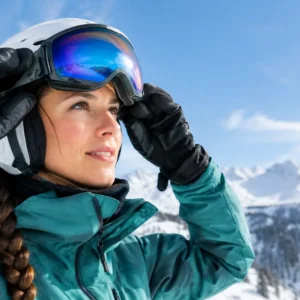
Always test goggles with the helmet you actually ride in, or at least a similar model. A good helmet-and-goggle pairing sits closely together across the forehead, with no exposed strip of skin known as a ‘gaper gap’. More importantly, the helmet should not push the goggles down your nose or lift them away from your cheeks.
Place the helmet on first, then fit the goggles as you would on the hill. Adjust the strap until it holds the frame securely but does not distort it. Most modern helmet straps and clips cope well with a range of brands, so you do not have to buy a matching set. Still, the fit is what counts, not the logo.
Check the helmet brim or vent edge as well. On some combinations, it can block the top vents of the goggles, trapping warm air and increasing the chance of fogging. On others, a very large frame can interfere with the helmet shell when you look upwards. If you ride in a helmet – and most riders now do – regard this as part of buying goggles, not an afterthought.
Make room for glasses, if you wear them
Riders who need prescription glasses have two main routes: over-the-glasses goggles, commonly called OTG models, or a prescription insert system. Neither is automatically better. OTG goggles are straightforward and give you flexibility if your prescription changes, but they need enough internal volume to avoid pressing your glasses into your face.
Take your own glasses when trying them on. The temples should not be forced against your head, and the lenses should not touch the inside of the goggle lens. If they do, both comfort and fogging will suffer. Look for a frame that gives your glasses room while maintaining an even foam seal.
Prescription inserts can be tidier and work especially well with a well-chosen goggle frame, but they add another lens surface that can mist up. For either setup, good ventilation and sensible temperature management matter. Avoid putting goggles on top of a hot beanie in a café, then expecting them to remain perfectly clear when you step back outside.
Lens shape affects fit and vision
Lens choice is often discussed in terms of colour and light transmission, but lens geometry affects how a goggle sits on your face. Cylindrical lenses curve horizontally, while spherical lenses curve both horizontally and vertically. Toric designs sit between the two. Each can work well, and no shape guarantees better vision on its own.
Spherical and toric frames often offer a more expansive feel, which can suit riders who prioritise peripheral vision or have a larger face. Cylindrical goggles can be lower-profile and may suit a narrower face or riders who prefer a closer, simpler frame. The critical test is whether the lens stays clear of your eyelashes and gives you a natural view when you are wearing your helmet.
Do not be persuaded by a huge lens if it compromises the seal or catches on your helmet. Conversely, a compact frame can be excellent provided it does not create tunnel vision. Riding style matters here: a park rider checking for traffic, a freerider navigating variable terrain and a holiday snowboarder following family through a busy resort all benefit from a wide, unobstructed field of view.
Test for fogging before you buy
You cannot recreate a wet, windless afternoon in the lift queue perfectly indoors, but you can spot warning signs. Wear the goggles and helmet together for several minutes. Breathe normally through your nose, then talk and move around. If the lens fogs immediately in a warm shop, ask whether protective film is still fitted, but also consider whether the vents are blocked by the helmet or the frame is too close to your face.
Modern double lenses and anti-fog treatments are effective, yet they are not magic. Moisture enters the system when snow gets inside, when a neck tube directs breath upwards or when goggles are left on a sweaty helmet during a break. A fit that keeps snow out and vents unobstructed gives the technology its best chance.
Once you own them, avoid wiping the inside of a wet lens with a glove or sleeve. The inner surface is delicate, and scrubbing it can damage the anti-fog coating. Shake off loose snow, let the goggles dry in a warm but not scorching place, and use a clean microfibre cloth only on the outer lens.
A quick fitting check before your holiday
Before committing to a pair, run through five checks: the foam seals evenly; the frame does not pinch; your eyelashes do not touch the lens; peripheral vision feels open; and the goggles sit cleanly with your helmet without blocking their vents. If one of those fails, try another model rather than hoping a different strap setting will solve it.
A premium lens is worthwhile, particularly for the flat light and mixed conditions common in Alpine and Scottish riding, but it cannot compensate for a frame that does not fit. Get the seal, helmet pairing and comfort right first. When your goggles stay clear and disappear from your thoughts, you are free to focus on the snow in front of you.