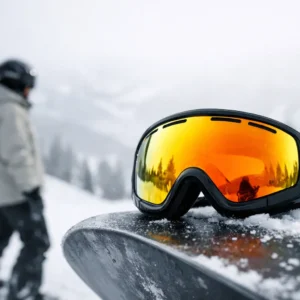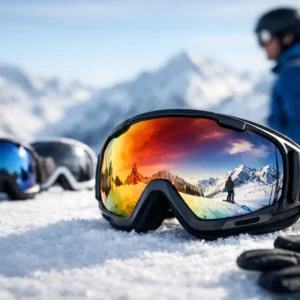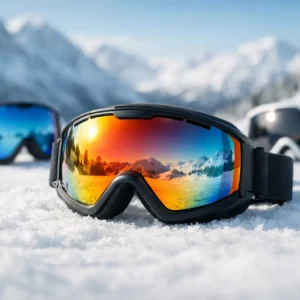
Nothing spoils a good run quite like dropping into a flat-light section and finding your world reduced to a milky blur. Knowing how to prevent goggle fogging is not about one miracle spray or an expensive lens alone. It comes down to managing the warm, damp air coming from your face and keeping it away from a cold lens – before the moisture condenses.
Fogging affects everyone, from first-week beginners working hard on green pistes to snowboarders hiking a powder line. It is especially common in changeable Alpine weather, wet Scottish conditions and indoor slopes, where temperature swings and sweat can quickly overwhelm a goggle’s ventilation. The good news is that a few sound habits make a substantial difference.
Why ski and snowboard goggles fog up
Your goggles fog when warm, moist air meets the colder inside surface of the lens. That moisture can come from breathing, perspiration, snow sitting around the frame or simply stopping after a hard run. Once the lens temperature drops below the dew point, condensation forms. If it freezes, you may end up with an even more stubborn layer of frost inside the lens.
Modern snow goggles are designed to resist this. Most decent models use a double lens, much like double glazing, creating an insulating air gap between the inner and outer lens. They also have vents in the frame and foam. But the system only works properly when air can circulate and when the anti-fog treatment on the inside of the lens remains intact.
That last point matters. Many fogging problems blamed on a goggle are actually caused by poor fit, a soaked face covering, or rubbing the inner lens with a glove or sleeve.
Start with the fit, not the anti-fog spray
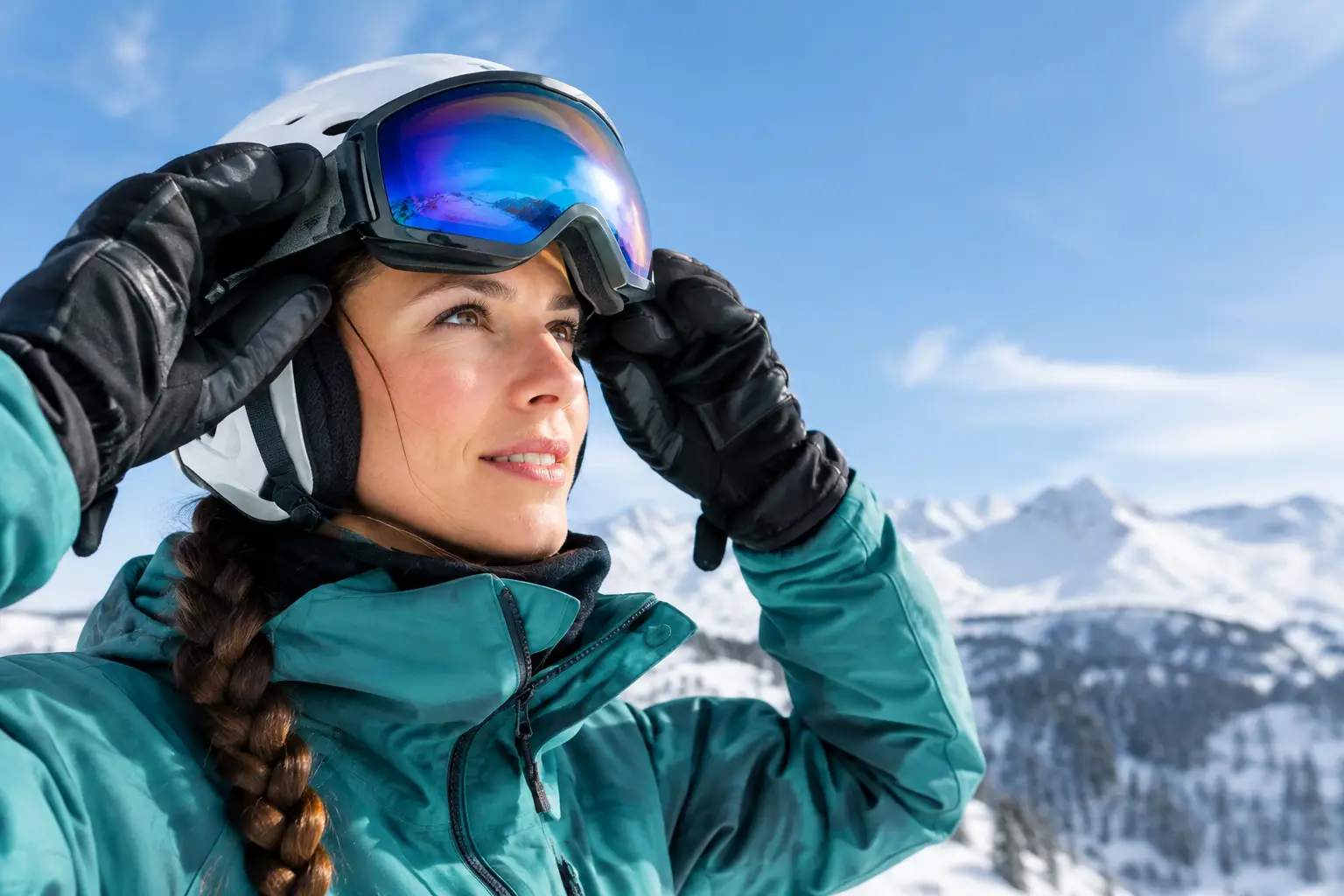
A well-fitting goggle should sit comfortably against your face, with the foam making consistent contact around the cheeks, nose and forehead. It should not feel painfully tight, but nor should it leave large gaps that let damp breath rise directly behind the lens.
Try goggles with the helmet you actually wear. Helmet and goggle compatibility is more than a style issue: a poor match can block upper vents or create a gap at the brow that channels cold air and snow into the frame. Different face shapes suit different frame sizes, so do not assume the most fashionable oversized model will be the best performer for you.
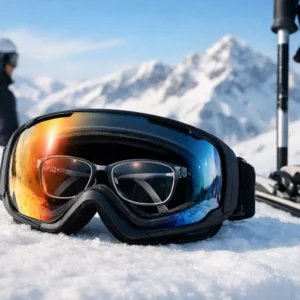
For skiers and snowboarders who wear prescription glasses, an over-the-glasses goggle or properly fitted prescription insert can help. Ordinary spectacles inside a tight goggle can create a double fogging problem, particularly if their arms interfere with the facial seal or venting.
Keep breath out of your goggles
Breath is the main culprit on cold chairlifts and slow traverses. If you wear a neck tube, balaclava or face mask, make sure it directs your exhaled air down and out rather than up towards the goggles. Pulling a thick, wet neck warmer high over the nose may feel cosy for a moment, but it often sends a steady stream of warm vapour straight onto the lens.
Look for a face covering with a shaped nose section or ventilation panel if you regularly ski in very cold weather. On mild, damp days, a thinner neck tube can be the smarter choice. It provides coverage without holding as much moisture against your face.
A simple test is to stand still before heading out and breathe normally. If you can feel air rising behind the goggle frame, adjust the mask, the nose bridge or the goggle position. Solve that issue at the bottom of the lift rather than halfway down a busy piste.
Manage heat before you start sweating
Fogging is often the delayed result of getting too hot on the previous run. A fast descent, a boot-pack or a long pole push can leave you perspiring heavily. Then you stop on an exposed lift, your lens cools quickly and the humid air inside the goggles condenses.
Open your jacket vents before a demanding section, remove a layer during a hike and avoid overdressing for spring snow. This is not an argument for being cold. It is about staying comfortably warm without becoming clammy. Riders who run hot may benefit from a more breathable mid-layer and a helmet with effective, adjustable ventilation.
On a chairlift, resist the urge to pull the goggles onto your forehead if you are steaming. The warm, damp air from your hair and forehead can enter the frame, and snow may settle on the inside when you put them back on. If you need a break, leave goggles on your face where possible, loosen your jacket and let your body cool gradually.
Do not wipe the inside of the lens
This is one of the most useful rules for preventing goggle fogging. The inner lens has a delicate anti-fog coating. Rubbing it, especially when wet or icy, can damage or remove that coating. A glove, tissue, piste map or the hem of your jacket may clear the mist temporarily, but it can leave smears and make future fogging worse.
If snow gets inside the goggles, gently shake it out and allow the lens to air-dry somewhere warm and dry. At a mountain restaurant, place them carefully on a table or in a dry pocket of your jacket – not face-down on a wet surface and not directly against a radiator. Excessive heat can distort frames, damage foam and affect lens treatments.
At the end of the day, dry goggles thoroughly at room temperature. Remove them from a damp helmet bag and avoid sealing them in a wet backpack overnight. A dry goggle at breakfast is far less likely to fog on the first lift.
Choose the right lens and ventilation setup
A double lens is the sensible baseline for resort skiing and snowboarding. Single-lens goggles are more prone to condensation and are best avoided for regular mountain use. Quality double-lens designs pair that construction with an anti-fog coating and carefully positioned vents, typically at the top and bottom of the frame.
Lens tint is not a direct cure for fog, but choosing the correct lens for the light helps you ski more confidently when visibility is poor. A low-light lens can make contrast easier to read in cloud, snow or flat light, while a darker lens suits bright bluebird days. Photochromic lenses offer useful flexibility for changing conditions, though their performance can vary in very cold temperatures and they remain a compromise compared with carrying a dedicated spare lens.
Ventilation is equally dependent on your helmet. Check that a helmet’s brim or padding is not pressing over the goggle vents. Snowboarders who wear a helmet under a hood should be particularly careful: a hood pulled tightly over the frame can restrict airflow and trap humid air around the goggles.
When anti-fog products help – and when they do not
A reputable anti-fog treatment can be useful for older goggles whose original coating has worn down, or for occasional use in persistently damp conditions. Apply only a product intended for snow goggles, and follow the instructions precisely. Some treatments work best when left to dry before polishing lightly; others should not be buffed at all.
Think of anti-fog spray as a back-up, not the main fix. It cannot compensate for breath being directed into the frame, a saturated balaclava or goggles stored wet overnight. It may also leave a residue if over-applied, reducing optical clarity at exactly the moment you need it most.
If fogging appears between the two lens layers, rather than on the surface you can reach, the seal has likely failed. That is not something a spray can repair. Depending on the goggle, a replacement lens may be available; otherwise it may be time to replace the goggles.
What to do when your goggles fog mid-run
First, slow down and stop somewhere safe, well clear of other skiers and snowboarders. Do not continue at speed with compromised vision, particularly in busy areas, terrain parks or variable off-piste conditions.
Keep the goggles on your face if possible and open your jacket or adjust your face covering to reduce moisture. If you must remove them, hold them by the strap or frame and keep snow away from the inner lens. Once the fog has cleared, check that the vents are unobstructed before setting off again.
If this happens repeatedly on the same day, identify the pattern. Does it start after you pull up your neck tube? Only on lifts? After a hike? The answer usually points to the practical change required, rather than a fault with the goggles themselves.
A quick pre-slope routine
Before leaving your accommodation or the car park, check that your goggles are dry, clean and free of snow around the vents. Fit them with your helmet, then arrange your neck tube so your breath escapes below the frame. Finally, consider the day ahead: if it is mild, wet or likely to involve a lot of effort, plan to vent your clothing earlier than usual.
Clear vision is a safety essential, but it also changes the feel of a day in the mountains. Get the fit, airflow and lens care right, and your goggles will become the dependable bit of kit they are supposed to be – leaving you free to watch the terrain unfold rather than peer through a cloud of your own making.