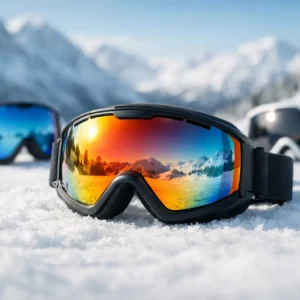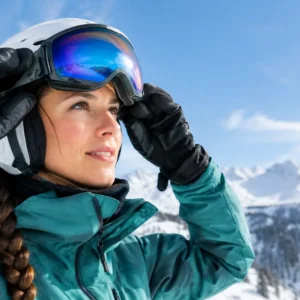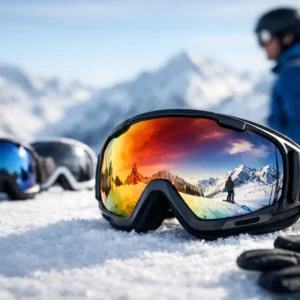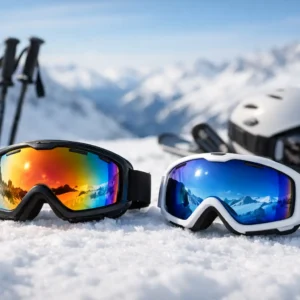
Anyone who has tried to wedge everyday specs under a tight pair of goggles knows the moment – pressure on the temples, fog building by the lift queue, and vision that gets worse just as the weather closes in. Finding the best ski goggles for glasses is less about chasing a fashionable frame and more about getting a system that actually works on a cold, wet British half-term trip or a crisp January week in the Alps.
For skiers and snowboarders who wear prescription glasses, the stakes are higher than simple comfort. If your goggles press your frames into your face, block ventilation or sit too close to the lenses, you lose visibility fast. That affects confidence, reaction time and, frankly, enjoyment. The good news is that brands have improved massively in recent seasons, and there are now genuinely good options for glasses wearers rather than token oversized models with an OTG label slapped on the box.
What makes the best ski goggles for glasses?
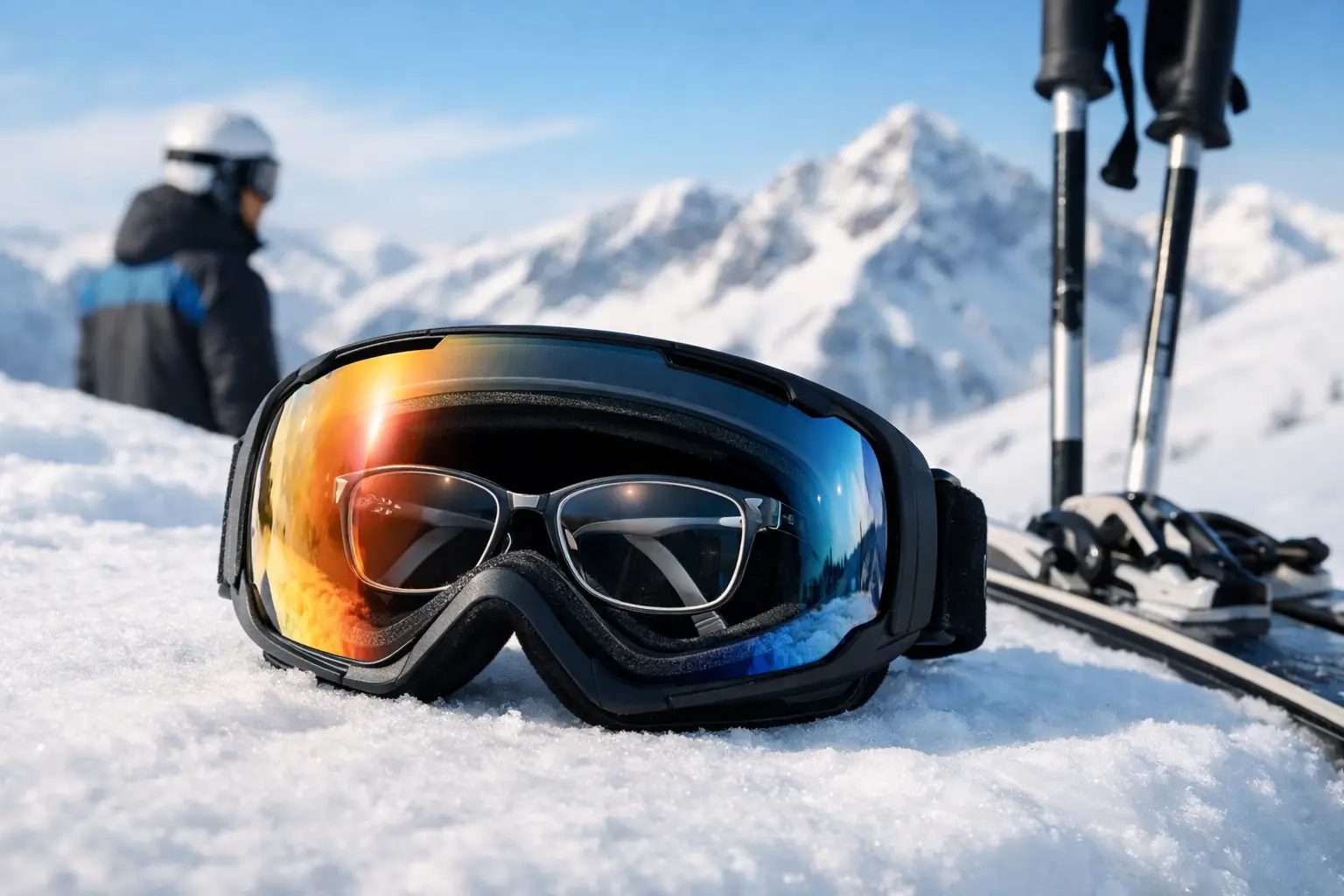
The obvious starting point is OTG – over the glasses – design. But OTG on its own does not guarantee a good fit. The better models have deeper face foam, cut-outs or flex around the temples, and enough internal volume to stop your specs touching the goggle lens. That gap matters because once the two surfaces sit too close together, moisture builds and fogging becomes far more likely.
Ventilation is the next big factor. Glasses create another barrier for warm air, so a goggle that works perfectly for contact lens wearers can fail badly for someone in spectacles. Look for generous top and bottom venting, decent internal air channels and anti-fog treatment that holds up beyond the first few uses. Some cylindrical models ventilate well and offer excellent value, while many toric and spherical designs create more interior space, which can be helpful if your frames are broader.
Then there is lens choice. In flat light, tree-lined runs and stormy afternoons, the quality of the lens matters just as much as the shape of the frame. For many UK skiers heading to the mountains for one or two trips a year, a versatile all-round tint is often more useful than an ultra-dark sunny-day lens. If you ski in mixed weather, photochromic lenses are especially worth considering because they reduce the need to swap lenses with cold hands on a chairlift.
OTG fit is not one-size-fits-all
The most common mistake is assuming that if a goggle is labelled OTG, it will suit any pair of glasses. It will not. Narrow metal frames tend to be easier to accommodate than chunky acetate ones. Straight arms often sit more comfortably under the strap than heavily curved arms. If your prescription glasses are already quite large, you need to pay even more attention to interior depth and frame width.
Helmet compatibility matters too. A goggle can feel fine in the shop, then pinch once the helmet pushes it lower on the face. The best setup creates an even seal across the cheeks and forehead without crushing the glasses into the bridge of your nose. If you are buying new goggles and a new helmet in the same season, it is worth treating them as a pair rather than two separate purchases.
Features worth paying for
Not every premium feature is essential, but a few are genuinely useful if you wear glasses on snow.
Magnetic lens-change systems are handy, though not vital. If you ski in shifting weather and carry a spare lens, they make life easier. Good anti-fog coatings are absolutely worth having, but they still rely on sensible use – let goggles dry naturally, avoid wiping the inner lens, and keep vents clear of snow.
Triple-layer face foam can improve comfort over long days, especially if your glasses create pressure points. A wider strap with silicone backing helps keep everything stable when you are moving from piste to lift to café and back out again. None of that replaces fit, but it does improve day-to-day use.
The goggle styles that usually work best
Large-frame OTG goggles are still the safest bet for most people. They offer the interior volume needed for everyday spectacles and are widely available across price points. If your glasses are medium-sized and fairly flat to the face, you will have the broadest choice here.
Spherical and toric goggles often suit glasses wearers well because the lens shape can create a roomier chamber. They also tend to give a broader field of view, which is a real benefit in busy resort traffic or poor visibility. The trade-off is price – they are often more expensive than straightforward cylindrical models.
Low-profile goggles can work if your glasses are very compact, but they are a gamble. They may look neat under a helmet, yet many simply do not provide enough depth. If comfort is marginal in the living room, it will not improve after three windy chairlift rides.
Lens tints for UK skiers and snowboarders
For many readers, one trip can include bright glacier mornings, cloud on the mid-mountain and murk down in the trees. That makes mid-range visible light transmission the practical choice. Rose, amber and bronze-based tints remain popular because they improve contrast without becoming too dark when the weather turns.
Yellow and very light storm lenses still have a place, especially if you regularly ski in flat light, but they are too specialist as an only option. At the other end, dark mirrored lenses are great in strong alpine sun, though less helpful in the sort of mixed conditions many people actually get on a week-long holiday.
If budget allows, interchangeable or photochromic options are often the smartest buy. The best lens is the one you can keep using all day without second-guessing every cloud bank.
Common problems and how to avoid them
Fogging usually starts before you even click into your bindings. If you put warm, damp goggles straight on over equally warm glasses and then head into cold air, condensation builds quickly. Give your kit a moment to acclimatise, and avoid covering vents with a buff pulled too high over the nose.
Pressure on the temples is another frequent issue. Some OTG goggles have discreet channels in the foam to relieve that pressure. If they do not, a model that seems snug in a shop can become genuinely painful by lunchtime.
Water ingress can also be worse for glasses wearers because once moisture gets inside the goggle, you have two sets of lenses to deal with instead of one. Good foam and vent design help, but so does being realistic about the conditions. In heavy, wet snowfall, no setup is completely immune.
Should you choose inserts, contacts or OTG goggles?
It depends on how often you ski. If you only get away once or twice a year, OTG goggles are usually the simplest solution. They are practical, familiar and do not require changing your normal eyewear routine.
Prescription inserts can be excellent for regular skiers. They remove the bulk of wearing full glasses inside the goggle and often reduce fogging. The downside is cost, and some people never quite get on with the feel.
Contact lenses remain popular, particularly among experienced skiers and snowboarders, but they are not ideal for everyone. Cold wind, dry air and long travel days can make them uncomfortable. For some, a well-fitted OTG goggle is still the most reliable answer.
How to shop more intelligently
Take your own glasses when trying goggles and wear them properly, with a helmet if possible. Do not just check whether the frames fit inside. Move your jaw, turn your head, and leave them on for ten minutes. If there is any pressure on the nose or temples at room temperature, expect it to be worse on the mountain.
Check your field of vision with your glasses in place. Some combinations sit well but create awkward blind spots at the edges. Also pay attention to how easy the goggles are to remove and replace. A setup that works only when perfectly adjusted can be a nuisance across a full ski day.
For committed snow sports readers, this is one area where trying before buying still matters. Specifications help, but real fit tells the truth.
The best ski goggles for glasses are the pair that let you forget about your eyesight and get on with skiing or riding. When the weather closes in above resort, the last thing you need is a battle between fogged specs and badly ventilated eyewear. Get the fit right, prioritise ventilation over gimmicks, and you will notice the difference from the first lift.