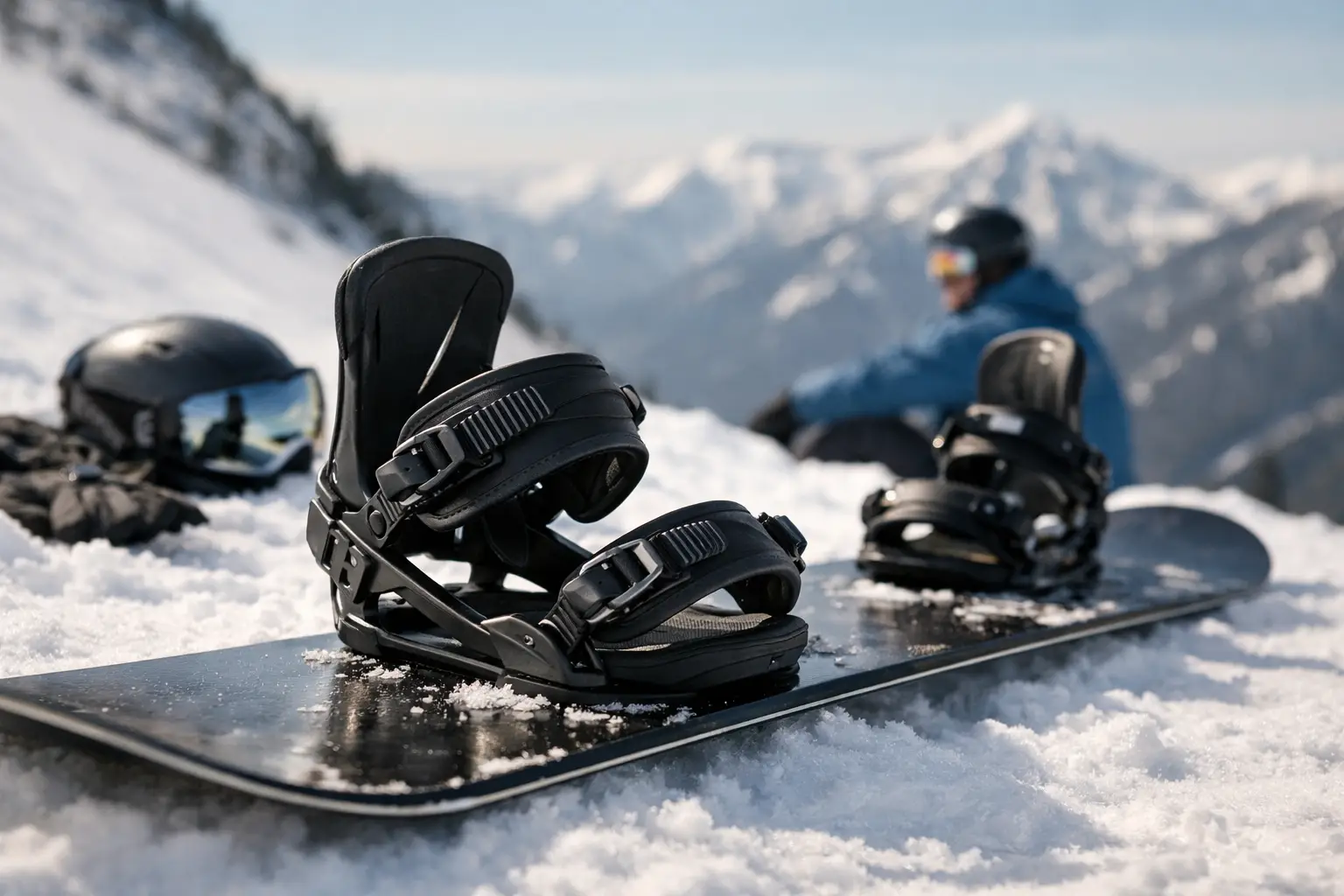
A good snowboard bindings review should tell you more than whether a model feels nice in the shop. Bindings sit at the point where your boots, board and body all meet, so small differences in flex, straps and board feel can change a day on snow far more than many riders expect.
That matters whether you are lapping an indoor slope in the UK, heading to the Alps for a week, or putting together a quiver for mixed conditions. A binding that feels lively and precise for one rider can feel twitchy and tiring for another. The best choice is rarely the most expensive one. It is the one that matches your boots, your board and the way you actually ride.
Snowboard bindings review – how to read one properly
The easiest mistake is to treat bindings like a simple ranking from best to worst. In reality, category matters more than headline score. A soft, forgiving freestyle binding may be brilliant in the park and less convincing when charging chopped-up pistes. A stiffer all-mountain model might feel secure at speed but less playful on side hits or rails.
When reading any snowboard bindings review, look first at who the product is really for. Beginner-friendly bindings tend to focus on comfort, straightforward adjustment and enough flex to forgive sketchy technique. Intermediate and advanced options usually add quicker edge response, stronger heel hold and more support through the highback and ankle strap.
Weight, too, is often overstated. A lighter binding can feel sharper underfoot, but comfort, dampening and fit usually have a bigger effect on your riding day. If a binding saves a few grams yet creates pressure points or leaves your boot shifting around, that is not much of a win.
The features that genuinely change performance
Flex is the first filter
If you are unsure where to start, start with flex. Soft bindings are easier going, less demanding and often more fun for riders who value surfy turns, presses and general forgiveness. Medium-flex bindings are the broad middle ground and suit most UK riders well, especially those who spend one or two weeks a year in the mountains and want one setup that can do a bit of everything.
Stiff bindings are more specialised. They reward strong input, hold up better at speed and pair nicely with aggressive freeride boards, but they can also feel harsh if your technique is still developing. There is no virtue in buying stiffer than you need.
Straps make or break comfort
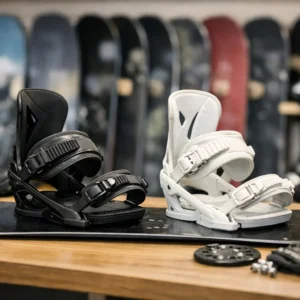
Ankle straps and toe straps deserve more attention than flashy baseplate materials. Good straps spread pressure evenly and lock the boot in place without forcing you to overtighten. Poor straps create hotspots, numb feet and that familiar urge to stop halfway down and start fiddling.
The best toe straps now tend to cup the front of the boot securely rather than simply sit on top. Ratchets should feel smooth, easy to use with gloves on and solid enough to trust after a week of repeated freezing and thawing. If a binding looks clever but feels fiddly in the cold, that cleverness loses appeal quickly.
Highbacks affect response and fatigue
A taller, more supportive highback generally brings quicker heel-side response. That is useful if you ride fast, carve hard or want a more direct feel. A softer highback gives a looser ride and can feel less punishing over a long day.
Some riders obsess over tool-free forward lean adjustment, and it is useful, but not essential for everyone. If you like to fine-tune your setup depending on terrain, it is a genuine plus. If you tend to set your bindings once and leave them alone all season, it matters less.
Baseplate feel is about more than shock absorption
Underfoot cushioning helps, particularly if you spend time on hard-packed pistes, chopped-up snow or indoor snowdomes. But dampening is not the whole story. Some baseplates feel dead and disconnected, while others manage to smooth vibration without muting the board.
That balance depends on riding style. Freestyle riders often prefer a bit more board feel for tweaks and presses. All-mountain riders may appreciate a slightly calmer, more planted feel, especially when conditions turn rough after lunch.
Matching bindings to the way you ride
A lot of disappointing purchases happen because riders buy for aspiration rather than reality. If you spend most of your holiday cruising reds, dabbling in side hits and occasionally venturing off-piste in soft snow, a medium-flex all-mountain binding is probably the sensible answer. It will not sound exotic, but it is usually right.
If park laps are your priority, softer bindings with good lateral freedom can make more sense. They help with manoeuvrability and reduce that locked-in feeling when you want to move more freely over boxes, rails and jumps.
If freeride is the focus, look for stronger response, firmer edge-to-edge transfer and secure heel hold. That does not automatically mean the stiffest model on the wall. A binding that is too unforgiving can make variable snow harder work, especially for recreational riders who want confidence rather than punishment.
Fit still matters more than branding
Boot and binding compatibility
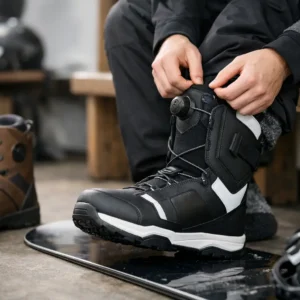
Binding size should match your boot size range properly, not approximately. A boot that overhangs the chassis or sits with too much empty space inside the binding will compromise control. Even small mismatches can affect how naturally the straps sit and how evenly pressure is distributed.
This is one reason an in-person fit check remains valuable. Two boots in the same stated size can have different outer shapes and volumes. A binding that works perfectly with one brand of boot may not feel quite as neat with another.
Adjustability is worth paying for
Heel cup adjustment, strap positioning, gas pedal extension and sensible highback rotation are not glamorous talking points, but they matter over time. Better adjustability lets you centre the boot, reduce drag and tailor the fit instead of simply making do.
For newer riders, straightforward adjustment is especially useful. You want a binding that can be dialled in without a workshop session in the chalet. For experienced riders, those details can be the difference between a setup that feels fine and one that feels properly sorted.
Where value sits in a snowboard bindings review
The sweet spot is usually in the middle of the market. Entry-level bindings can be perfectly adequate, especially for beginners, but they may use simpler straps, less refined ratchets and baseplates that feel less supportive over time. Premium bindings often bring better materials, smoother mechanisms and more precise response, though not every rider will notice enough difference to justify the spend.
For many UK riders, value means buying one binding that can handle indoor sessions, dry slope mileage and a winter trip abroad. In that case, reliability and versatility matter as much as outright performance. A binding that survives regular use and still feels comfortable after several seasons often represents better value than a high-end option with a narrower performance window.
Common mistakes riders make
The first is buying too stiff. The second is ignoring boots. The third is focusing on marketing language instead of ride feel. Names for proprietary cushioning, hinge systems and chassis concepts can sound impressive, but they only matter if they improve comfort, fit or control in a way you will actually notice.
Another common mistake is underestimating fatigue. A binding can feel responsive for two runs and tiring by mid-afternoon. That is why the best reviews are grounded in full-day riding, not car park impressions or shop-floor flex tests.
At Skier & Snowboarder, that real-world angle matters because snowboard kit only proves itself when conditions are mixed, legs are tired and the mountain is no longer perfectly groomed. UK riders know that versatility is not a marketing extra. It is usually the whole point.
So what should most riders choose?
For beginners, a soft to medium-flex binding with comfortable straps, simple adjustability and dependable ratchets is the safest call. For progressing intermediates, medium flex remains the strongest category because it covers the broadest range of terrain and conditions without demanding too much. For advanced riders, the answer depends more sharply on discipline – park, all-mountain and freeride needs start to pull further apart.
If you are buying blind, avoid extremes. Ultra-soft can become vague. Ultra-stiff can become exhausting. The middle ground exists for a reason, and for many riders it is where the best days happen.
Bindings rarely get the same attention as boards, yet they shape nearly every sensation under your feet. Get them right and the whole setup feels calmer, quicker and more intuitive. Get them wrong and even a great board can feel slightly off. Choose for the riding you do now, with just enough headroom for where you want to go next.