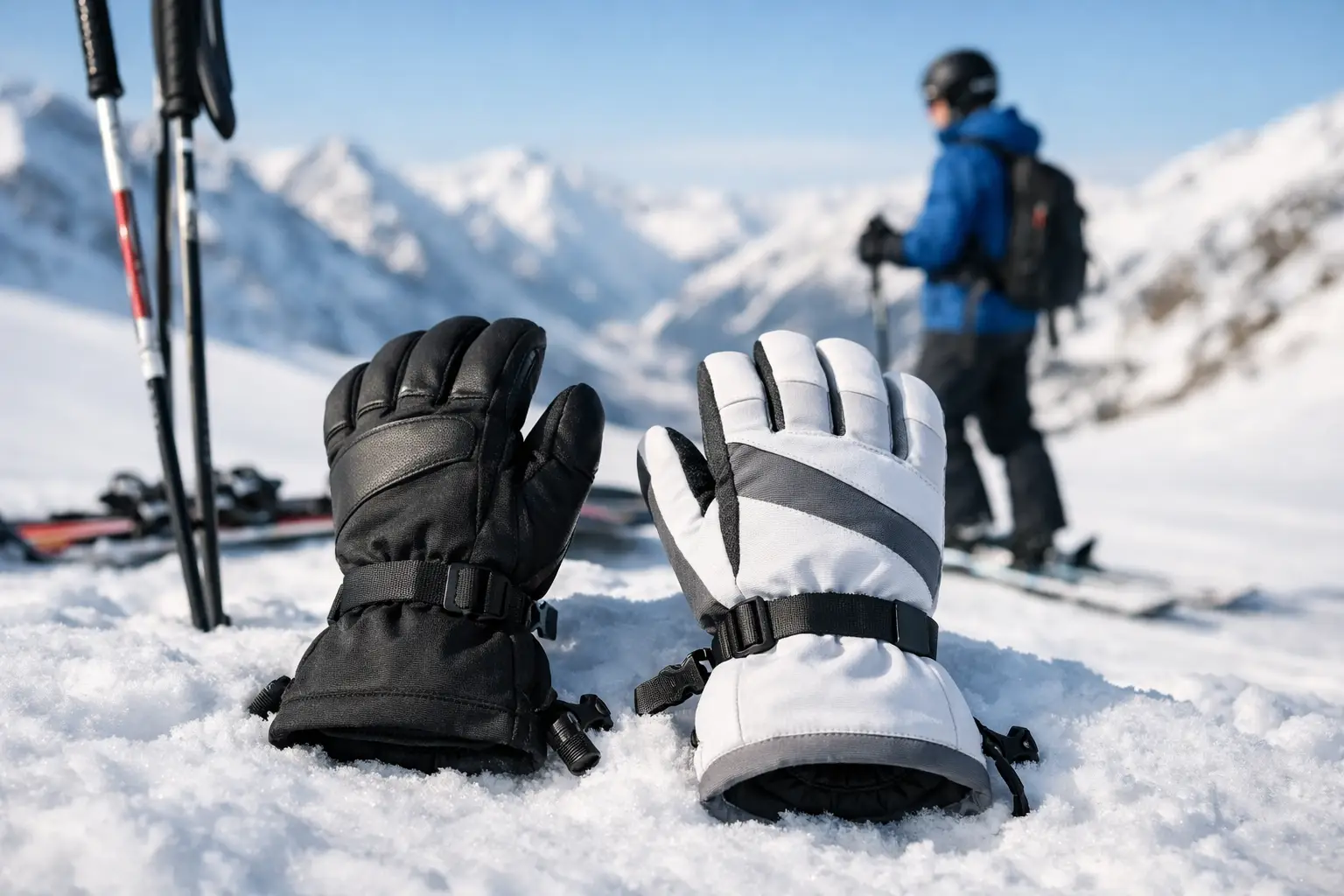
Cold hands can ruin a ski day faster than poor visibility or a slow lift line. Any honest ski gloves review has to start there, because gloves are not a minor accessory. They affect comfort, dexterity, confidence and, on bitter January chairlifts, your mood. Get the right pair and you forget about them. Get it wrong and every zip, buckle and pole strap becomes a chore.
A ski gloves review should start with your skiing
The first mistake many people make is shopping by price or brand before thinking about how and where they actually ski. A week in a cold, dry Alpine resort calls for something different from wet spring laps, UK dry slope use, or family holidays where you spend as much time sorting children’s kit as skiing yourself.
If you tend to run cold, spend a lot of time on chairlifts, or ski in midwinter, prioritise warmth. If you ski hard, hike a little, or often end up carrying skis, adjusting boots and using your phone, dexterity matters more than the warmest possible insulation. Snowboarders may lean towards longer cuffs and more weather protection because hands spend more time in the snow. Skiers who like a precise feel on poles often prefer a slightly neater fit.
That is why there is no single best glove. There is only the best match for your day on the mountain.
Warmth is not just about thick insulation
A bulky glove can feel reassuring in the shop, but warmth depends on more than loft. The outer fabric, membrane, lining, cuff design and overall fit all play a part. If cold air gets in at the wrist, or if the glove is too tight and restricts circulation, even premium insulation can disappoint.
For many skiers, the sweet spot is a mid to high warmth glove with enough space to move fingers naturally. Gloves that compress your fingers together too much can reduce warmth. At the same time, an oversized fit leaves dead space and makes pole handling clumsy.
Lobster-style gloves and mittens are worth mentioning here. Mittens are often warmer because fingers share heat, and many cold-handed skiers swear by them. The trade-off is dexterity. A lobster design sits between the two, giving you better warmth than a standard glove without making every small task awkward. If your hands are regularly freezing by lunchtime, a mitten is often a smarter choice than endlessly chasing a warmer glove.
Liner gloves can make a difference
A thin liner is not a miracle fix, but it can add useful warmth and versatility. It also helps when you need to take your outer glove off briefly to use a phone or adjust bindings. The main point is not to make the outer glove too tight. If adding a liner turns the fit restrictive, it usually makes things worse.
Waterproofing matters more in Britain than many realise
British skiers often face mixed conditions, from wet snow and sleet to thaw-freeze weeks in the Alps. That makes waterproofing one of the most important parts of any ski gloves review. A glove that is merely warm at the start of the day but wets out by lunch is poor value, however impressive the spec sheet looks.
Gloves with a proper waterproof membrane are generally worth the extra spend. Leather palms can be excellent for durability and grip, but they need care. Some all-leather gloves perform brilliantly when maintained, yet they do ask more of the owner than synthetic options. If you want a lower-maintenance glove, a synthetic shell with a dependable membrane is often the safer bet.
Look closely at cuff length too. A short cuff can work well under a jacket sleeve for some skiers, but longer gauntlet cuffs tend to offer better protection in storms, powder and wet snow. For family skiing, beginners and anyone regularly brushing snow off kit, that extra coverage is genuinely useful.
Fit is where good gloves become great gloves
This is the part people rush, and it is where many expensive mistakes happen. A proper fit should feel secure around the palm and wrist without crushing the fingers. You should be able to grip a pole naturally, close your hand without resistance, and operate buckles or zips without feeling as though you are wearing boxing gloves.
Different brands shape gloves differently. Some suit broader hands, some narrower fingers, some a straighter thumb position. That means one person’s perfect all-day glove can feel wrong within minutes for someone else.
A few details are worth paying attention to. Pre-curved fingers usually reduce hand fatigue. Soft nose-wipe panels are more useful than they sound on cold chairlifts. Wrist leashes are easy to overlook until you drop a glove from a lift. Good cuff closures also matter, especially if you switch between jacket styles or wear a watch.
Don’t ignore dexterity
Dexterity is not just a comfort feature. It affects how quickly you can sort gear in wind, cold or poor visibility. If a glove is so stiff that you have to remove it to do everything from tightening boots to opening a pocket, it becomes less practical than a slightly less warm but more usable model.
This is especially relevant for ski instructors, parents, and anyone skiing with children. The glove that feels superb for non-stop red runs may be irritating if your day involves constant faffing at the side of the piste.
Durability is where value really shows
A cheap glove that lasts one holiday is not cheaper than a well-made pair that gives you several seasons. High-wear areas such as the palm, thumb webbing and fingertips tell you a lot about likely lifespan. Reinforcement in these zones is worth having, particularly if you carry skis on your shoulder, use drag lifts, or spend time handling edges and bindings.
Leather still has a strong case here because it tends to age well and offers excellent grip. The catch is maintenance. Neglect it and performance drops. Synthetics can be lighter, easier to care for and often better value, but they vary widely in toughness.
Stitching quality is another clue. Loose seams, thin palm material and flimsy wrist closures usually show up after only a few hard days on snow. Better gloves feel reassuringly solid before they ever see a mountain.
Price bands and what you actually get
Entry-level ski gloves can be perfectly adequate for occasional skiers, especially for shorter trips in fair weather. They usually cover the basics, but this is where compromises appear first in waterproofing, fit and long-term durability.
Mid-range is often the strongest part of the market. Here you can usually find dependable insulation, decent membranes, stronger palms and better patterning. For most recreational skiers and snowboarders, this is the category that offers the best balance of performance and value.
Premium gloves tend to justify themselves when you ski often, run cold, or demand a more precise fit and better materials. They are not automatically twice as good because they cost more, but they often feel better built, more weatherproof and more comfortable over a full day. If you only ski once every couple of years, that extra spend may not be necessary. If you ski every season, it often is.
Common buying mistakes in any ski gloves review
The biggest mistake is buying for the shop rather than the mountain. A glove can feel soft, warm and impressive indoors, then prove sweaty, stiff or underpowered in real weather. The second is assuming thicker always means warmer. It does not. The third is underestimating wet conditions.
Another common error is overlooking your jacket and layering system. Gloves and cuffs need to work with your sleeves. A brilliant glove paired with an awkward jacket cuff can become a daily irritation. And finally, many skiers ignore aftercare. Damp gloves shoved into a bag overnight rarely perform well the next morning.
So what should most UK skiers look for?
If you want one practical recommendation rather than endless product noise, aim for a mid-range waterproof glove with a secure gauntlet cuff, reliable insulation, reinforced palm and a fit that allows easy pole use. That will suit a large proportion of British skiers heading to the Alps for a standard winter week.
If you feel the cold badly, move towards a mitten or warmer glove rather than trying to tough it out. If you ski fast and hard and dislike bulky kit, choose dexterity over maximum insulation. If you are a fair-weather holiday skier, there is no need to overbuy, but do not skimp on waterproofing.
A good ski gloves review should leave you with fewer illusions and a clearer shortlist. Ignore the marketing language, think honestly about your own skiing, and choose the pair you will still be happy wearing on day six when the weather turns and your hands are tired. That is usually where the right decision becomes obvious.