A ski can look perfectly respectable in the chalet yet feel vague, nervous or oddly hard work once the piste steepens. If you are asking, “when should you replace skis?”, the answer is rarely a birthday or a fixed number of ski weeks. It is about how the ski has been used, how it now performs and whether any damage affects its structure or safety.
For many UK skiers, a pair of skis gets limited use between one annual Alpine holiday, a few UK slope sessions and perhaps a long weekend away. In that case, a well-maintained ski can remain enjoyable for years. A seasonnaire, instructor or frequent traveller putting in 30 to 60 days each winter will reach the same point much sooner. The useful question is not simply how old your skis are, but whether they still give you the grip, stability and confidence you bought them for.
When Should You Replace Skis? Start With Performance
Skis do gradually lose their spark. It can be subtle, especially if your technique has progressed at the same time. You may find that a ski which once held a clean edge on a firm morning piste now chatters and washes out, or that it feels reluctant to bend into a turn despite a proper tune. Before blaming the ski, make sure it has recently been serviced. Dull edges, dry bases and poorly repaired damage can make even excellent equipment feel disappointing.
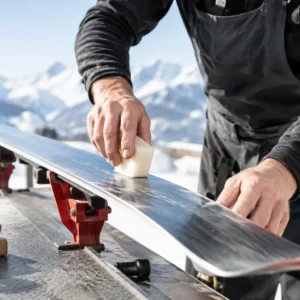
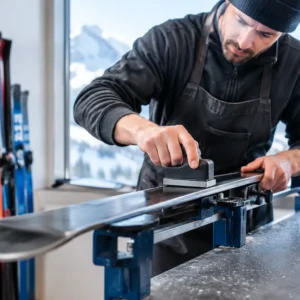
If a full workshop service restores the ride, there is no urgency to replace anything. Fresh edge work, a base grind and wax can transform skis that have endured airport baggage handling, slushy spring afternoons and too many laps of an abrasive indoor slope.
But a service cannot revive a ski that has lost its underlying camber or stiffness. A tired ski may feel flat underfoot, lack rebound as you leave a turn, or become unsettled at speed where it used to feel composed. On a twin-tip or freeride ski, a softened tail can make landings and chopped snow less predictable. On a frontside piste ski, reduced torsional stiffness usually shows up as weaker edge hold on hardpack.
There is an important trade-off here. Some skiers genuinely prefer a slightly softer, more forgiving ride as they become less interested in charging hard. If the ski still behaves predictably and suits the way you now ski, softer flex alone is not a reason to bin it. It becomes a replacement issue when the ski no longer responds consistently or prevents you skiing the terrain you enjoy.
Inspect the Base, Edges and Sidewalls
Cosmetic scrapes on topsheets are part of ski life. They are not a retirement notice. What matters is damage that reaches the core, compromises an edge or allows moisture inside the construction.
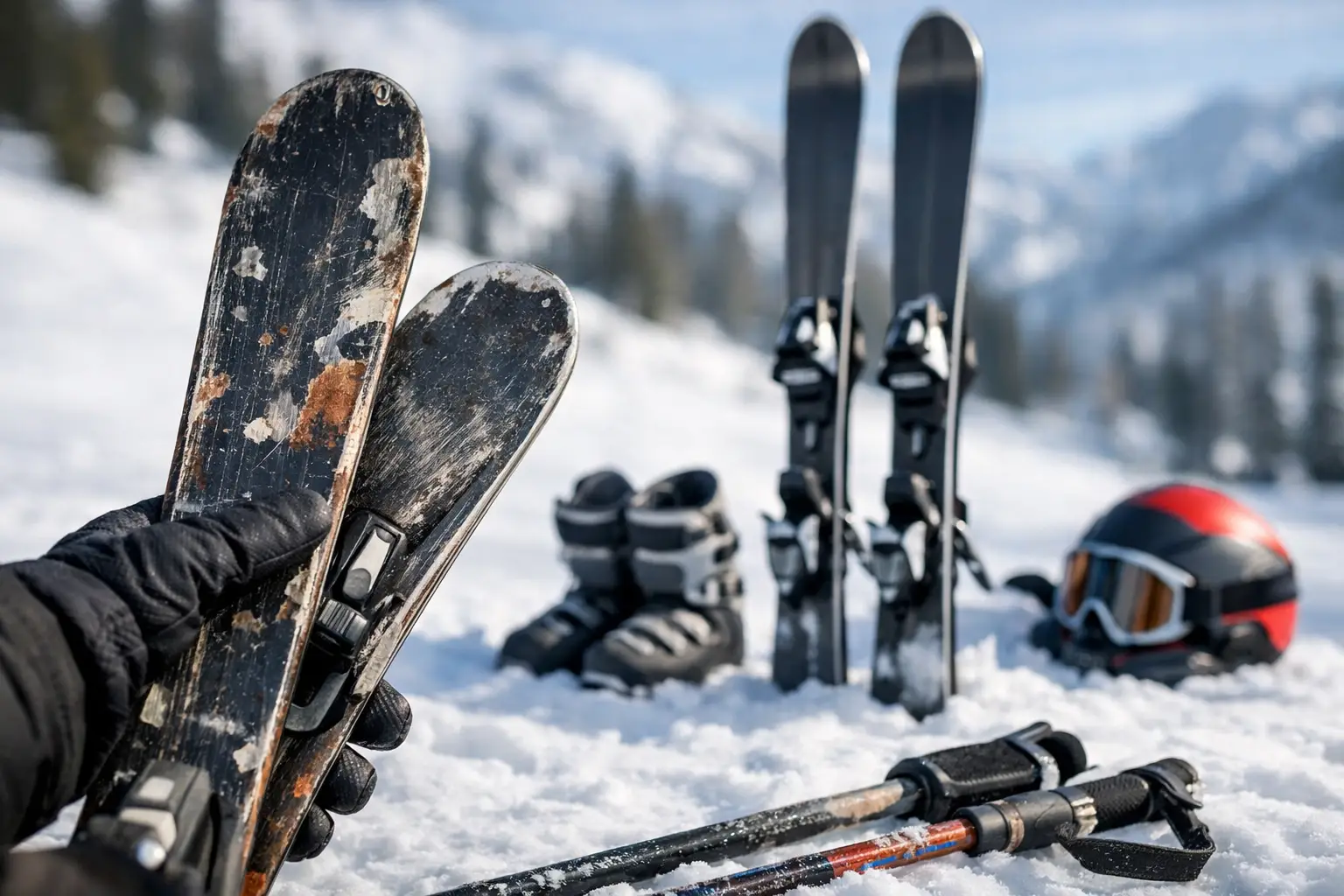
Deep base gouges are common after thin-cover days, particularly around rocks, lift exits and late-season pistes. Most can be repaired. A skilled workshop can fill a scrape, weld a damaged patch and restore the base structure. The concern is a gouge that reaches the core, especially if you can see pale wood or composite material beneath the base. Left open, it can absorb moisture and cause further deterioration.
Edges deserve particularly close attention. Small compressions and burrs are routine servicing jobs. A short section of pulled edge can sometimes be repaired too, but an edge separating from the ski is more serious. Look along both edges in good light: any gap between metal edge and base, or an area where the edge is visibly lifting, deserves professional assessment before the next trip.
Sidewall cracks and delamination are another warning sign. A little chipping near the topsheet is usually harmless, but layers peeling apart around the tip, tail or binding area are not. If you can flex the ski and see a gap open between layers, its structural integrity may already be compromised. Drying it out and applying an adhesive patch might keep it going temporarily, but it is not a dependable long-term solution for a ski that will be driven hard on a cold, steep piste.
Camber, Rocker and Flex Tell Their Own Story
Place the skis base-to-base, with the brakes out of the way, and check how they meet. Traditional cambered skis should show a clear gap around the middle when pressed together. All-mountain and freeride models with rocker will look different, so compare them with how they were designed rather than expecting a racing-ski profile.
More revealing is whether the pair match each other. If one ski has noticeably less camber, feels markedly softer or appears twisted, something is wrong. It may be the result of a heavy impact, long-term fatigue or damage you did not notice at the time. A mismatched pair will make turns feel inconsistent, particularly when snow is firm.
Flex can be checked by hand, but experience on snow matters more. If one ski feels dead while the other still springs back, replacement is sensible. This is not always a dramatic breakage. Modern skis are durable, yet repeated loading gradually changes foam, wood, resin and reinforcing materials. High-mileage skis can remain intact while losing the lively, supportive feel that makes them enjoyable.
Do Not Ignore the Binding Question
Bindings are not part of the ski’s core construction, but they are central to the decision. A ski may have plenty of life left while its binding is too old to be serviced or tested by a workshop. Manufacturers eventually stop supporting older binding models, and many shops will understandably decline to adjust or test a binding outside current indemnification arrangements.
That does not automatically mean you must replace the skis. A compatible new binding may be fitted, provided the ski has enough sound material and has not already been drilled repeatedly. However, adding a new binding to a tired ski is not always good value. If the base is thin, the edges are worn and the flex has faded, putting money towards a modern ski-and-binding package is usually the wiser route.
Never assume that because a binding clicks in cleanly it is safe. Have it checked by a qualified technician, particularly after a significant impact, a binding remount or several years in storage. For growing children, check setup and release settings every season rather than treating last year’s arrangement as permanent.
Age and Ski Days: Useful Clues, Not Rules
There is no universal expiry date for skis. A lightly used, carefully stored pair can be excellent after eight or ten years. Conversely, a ski ridden hard for 100 days through variable snow, transported constantly and serviced aggressively may be nearing the end after three or four seasons.
As a broad guide, recreational skiers who manage one or two weeks on snow each year often get six to 10 seasons from a quality pair, sometimes longer. Regular skiers logging several trips a winter may find performance starts to fade after roughly 80 to 150 days, depending on the ski’s construction and how forcefully they ski. Rental skis, park skis and all-mountain models used regularly on dry slopes tend to have a tougher life.
Storage matters more than many people realise. Skis left damp in a roof box, a shed with fluctuating temperatures or a cellar where edges rust will age badly. At the end of the season, clean them, dry them thoroughly and leave a protective layer of wax on the bases and edges. Keep them somewhere dry and out of prolonged heat. It is basic care, but it helps preserve both materials and value.
Sometimes Your Skiing Has Outgrown the Ski
Replacement is not only about wear. A ski that is mechanically sound can still be the wrong tool for your current skiing. Perhaps you bought a narrow, short piste ski as a cautious intermediate and now want more stability in Alpine chop. Perhaps a very stiff expert ski has become tiring when you would rather ski relaxed laps with family and friends. Or perhaps your old 75mm-waisted carver is simply not as versatile as you need for mixed conditions on a one-week holiday.
This is where a demo day can be more useful than browsing specifications. Try a few current models in the terrain you actually ski. The improvement may come from a better shape, more sensible length or a more suitable radius, rather than a headline-grabbing new material. Modern skis have evolved, particularly in rocker profiles and accessible all-mountain designs, but newer is not automatically better if the new ski does not match your style.
A good ski should invite you to make another run, not make you compensate for it. Before your next mountain holiday, give your current pair an honest inspection and a proper service. If they return with grip, energy and a clean bill of health, enjoy the extra seasons. If they have become inconsistent, structurally compromised or simply out of step with where you want to ski next, replacing them is less an indulgence than a route back to better days on snow.