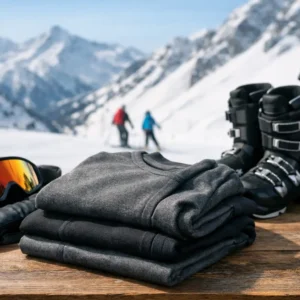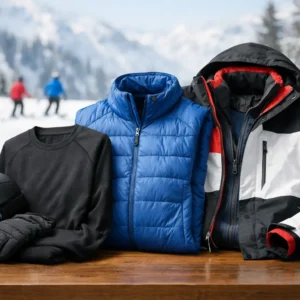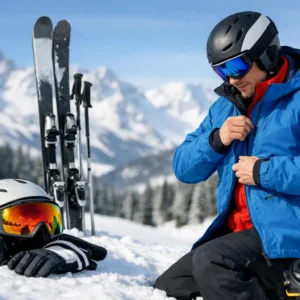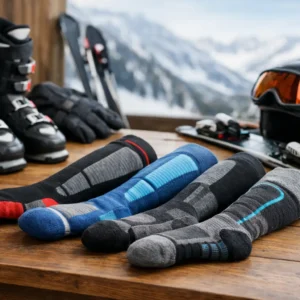
The first chair of the day can make a base-layer choice feel rather more significant than it did in the shop. Stand still in a cold lift queue after a hard, sweaty run and the difference between merino versus synthetic base layers becomes obvious: one may feel calmer against the skin, while the other may dry faster before the next lap.
For skiers and snowboarders, there is no universal winner. The right answer depends on how hard you ski, how warm you run, whether you are touring or using lifts, and how many days you expect to wear the same kit on holiday. Material matters, but fit, fabric weight and the rest of your layering system matter just as much.
Merino versus synthetic base layers: the real difference
Merino is a natural wool fibre, usually spun into a soft, fine fabric designed to sit next to the skin without the scratchiness many people associate with traditional wool. Synthetic base layers are generally made from polyester, sometimes with elastane for stretch, and are engineered to move moisture away from the body and dry rapidly.
Both can manage perspiration, but they do it differently. Synthetic fabrics tend to transport moisture through the material quickly, which is useful for high-output skiing, spring slush laps, boot packing and ski touring. Merino can absorb a considerable amount of moisture vapour within its fibres before it feels damp. That can make it especially comfortable during a mixed day of effort, chairlift time and mountain lunches.
The crucial distinction is that merino often feels less clammy when conditions and effort levels change, while synthetic usually regains its dry feel faster after a proper sweat. Neither quality is automatically better. A snowboarder hiking a park all afternoon has different needs from a relaxed piste skier spending much of the day on lifts.
Warmth is about weight, not just material
A common mistake is assuming that all merino is warm and all synthetic is lightweight. In practice, fabric weight is a more useful starting point. Base layers are often described by grams per square metre, although brands do not always present this consistently.
A light merino layer around 150gsm is a versatile choice for most alpine holidays. It is comfortable under an insulated ski jacket, works well in mild weather, and is useful beyond the slopes. A midweight merino layer around 200gsm offers more insulation for cold resorts, slow lift systems and people who feel the cold. Heavier options suit genuinely frigid days but can be excessive beneath modern insulated outerwear.
Synthetic layers also range from featherweight mesh-like tops to brushed thermal pieces. A thin polyester base layer beneath a fleece and shell can be warmer than a midweight merino top worn under an unsuitable jacket. Think of the base layer as the moisture-management foundation, rather than expecting it to solve every warmth problem on its own.
For most UK skiers heading to the Alps, a light or midweight option gives the broadest usable range. Add or remove a mid-layer according to the forecast. This is more adaptable than starting with a very thick base layer and overheating by mid-morning.
Where merino earns its place
Merino’s strongest argument is comfort over long days and repeated wear. It naturally resists odour more effectively than most synthetic fabrics, which is a genuine advantage on a week-long trip, especially when luggage space is tight or drying facilities are limited. A good merino top can often be aired overnight and worn again without causing offence in the gondola the next morning.
It also has a more forgiving feel for many people. The fabric tends to regulate temperature well across changing conditions, making it a strong option for piste skiing, resort riding, ski safaris and holidays where the day includes travel, après and dinner before you return to your room. Merino leggings are particularly popular because they remain comfortable beneath ski trousers for long periods.
There are caveats. Merino generally costs more, takes longer to dry than a thin synthetic equivalent, and can wear through sooner if it is very lightweight or regularly rubbed by backpack straps and bib braces. It is also not immune to retaining water once it is thoroughly soaked. If you know you sweat heavily, a pure merino layer may not be the most practical single choice for a demanding day.
Merino is often best for
Merino suits skiers and snowboarders who run cool, value odour resistance, spend long days in resort, or want one layer to work across travel and mountain life. It is also a sensible choice for multi-day hut trips at a steady pace, provided you can manage drying time.
When synthetic makes more sense
Synthetic base layers are the workhorses for high-intensity riding. They are usually lighter, more durable, less expensive and notably quick to dry. If you are skinning uphill, racing gates, teaching all day, hiking sidecountry lines or simply perspire heavily, that fast-drying performance can prevent the chill that follows a hard effort.
The best synthetic fabrics also offer excellent stretch and close body mapping, with ventilation panels in areas that run hottest. That can make them particularly effective beneath a shell on warm spring days, when the aim is to move sweat before it cools on your skin.
Their weak point is odour. Even premium synthetic layers can develop a smell after a day or two, especially when worn close under a jacket. Anti-odour treatments help, but their effectiveness varies and may diminish over time. On a driving holiday with access to laundry this is scarcely a concern. On a fly-drive week where you are packing light, it can be a deciding factor.
Synthetic is also the straightforward choice for families buying several sets of kit, for beginners who need dependable clothing without a premium price, and for anyone wanting a base layer that can be washed and dried overnight with minimal fuss.
Fit can make either fabric fail
The most sophisticated fabric will disappoint if the layer is too loose, too tight or badly placed in your system. A base layer should sit close enough to the skin to move moisture efficiently, but should not restrict breathing, rotation or movement through the shoulders. For snowboarders, test the fit with your arms overhead and through a crouched stance. For skiers, pay attention to bunching at the waist and behind the knees.
Avoid cotton for active snowsports. It absorbs moisture, dries slowly and can leave you cold once you stop moving. This is particularly relevant for children and newer skiers, who may spend more time standing about, falling over or adjusting equipment than they expect.
Also consider your outer layers. A warm, insulated jacket paired with a heavyweight base layer can leave an active skier drenched before lunch. Conversely, a thin synthetic top under an uninsulated shell may feel inadequate during a biting chairlift ride unless there is a suitable fleece or light insulated mid-layer between the two.
Blends offer a useful middle ground
Many of the most practical modern options are not pure merino or pure polyester. Merino-synthetic blends aim to combine wool’s odour resistance and temperature comfort with polyester’s durability and drying speed. They are well suited to skiers who want one dependable top for a week in the mountains, rather than separate layers for every possible condition.
The blend ratio matters. A garment with mostly merino will behave more like merino, while one with a higher synthetic content will feel more technical and dry more quickly. Nylon is often added to improve durability, and a small amount of elastane can improve recovery and fit. Labels tell part of the story, but trying a layer on remains worthwhile: the best fabric is of little use if the neckline irritates you or the sleeves ride up inside gloves.
Choosing for your kind of mountain day
If your holiday means groomers, leisurely lunches and plenty of time on lifts, merino is hard to beat for all-day comfort. If you are a warm runner who rides hard from first lift to last, synthetic has a compelling case. For touring and splitboarding, synthetic or a lightweight merino blend is often the safer option on the ascent, with a dry insulating layer ready for transitions and descents.
For cold-weather resort skiing, do not automatically reach for thicker merino. Start with a breathable layer that suits your output, then use a mid-layer to add warmth. This gives you far more control when cloud rolls in, the wind picks up, or the sun turns a freezing morning into a warm afternoon.
A sensible ski wardrobe need not be complicated. One lightweight synthetic layer for warm or active days and one midweight merino or merino-blend layer for colder, slower days will cover most British skiers and snowboarders remarkably well. Wear each before your trip if possible. A few hours at an indoor slope, a dry-slope session or even a brisk winter walk can reveal far more about its comfort than five minutes under shop lighting.
The best base layer is the one you forget you are wearing until the lifts close, your legs are tired and you are still warm enough to enjoy the final run.