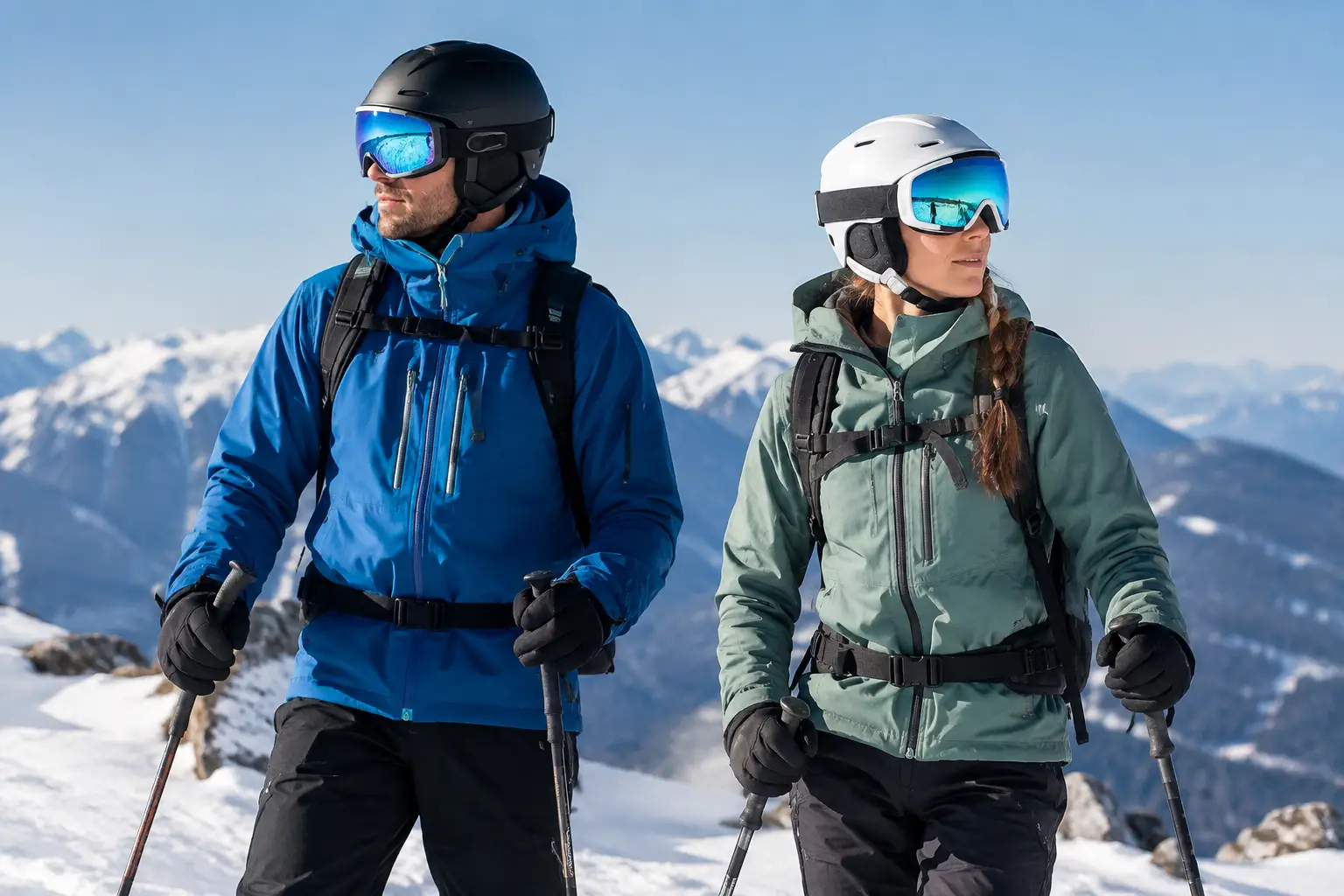
A damp chairlift, sideways snow and a long traverse into the wind are where outerwear choices stop being theoretical. Hard shell versus softshell skiing is not really a question of which fabric is best. It is about matching your jacket and trousers to the weather, the resort, how you ski and how much time you spend standing about between runs.
For a week in the Alps, a hardshell remains the most versatile outer layer for most British skiers. But softshells have a loyal following for good reason: they are quieter, more breathable and often more comfortable when the forecast is cold and dry. The right answer may even be one of each.
Hard shell versus softshell skiing: the essential difference
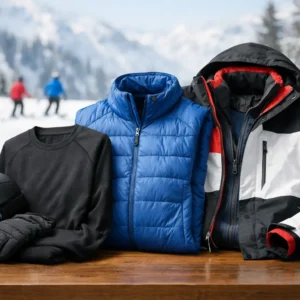
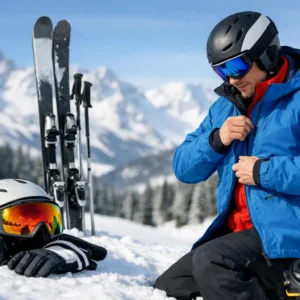
A hardshell is designed first to keep weather out. It normally uses a waterproof membrane or coating, taped seams and a durable face fabric. In ski-specific versions, expect a snow skirt, helmet-compatible hood, vent zips and pockets positioned for use with a backpack or lift pass. Most are uninsulated, leaving you to control warmth with base and mid-layers.
A softshell prioritises stretch, breathability and a more supple feel. It usually has a tightly woven outer face with a water-repellent finish, and may have a brushed inner surface for a little warmth. Some are highly wind-resistant and cope well with light snow, but they are not intended to withstand hours of wet snowfall or driving rain in the same way as a proper hardshell.
That distinction matters because skiing produces a curious mix of conditions. You may work hard on a sunny morning, then sit exposed on a chairlift as cloud rolls in after lunch. A shell system gives you more scope to adapt than a warm, all-in-one jacket, particularly when travelling from the Scottish Highlands to the Dolomites in the same season.
When a hardshell earns its place
A hardshell is the sensible default if your holiday can involve variable mountain weather. Heavy snow, wet snow below the tree line, high winds and the occasional sleety day all favour a waterproof shell. It is also the safer choice for snowboarders, who spend more time sitting or kneeling on snow, and for families skiing with children, where standing around in a blizzard is often unavoidable.
The biggest advantage is dependable protection. A quality shell blocks wind effectively and, with fully taped seams, prevents moisture entering through the points most likely to leak. If you run warm, pit zips or leg vents can release heat on a hike to a sidecountry line or a fast series of mogul laps.
There are compromises. Hardshell fabrics can feel crisper and noisier than softshell, and even very breathable membranes cannot move moisture as freely as an uncoated woven fabric when you are working hard. A shell worn with too many insulating layers can leave you clammy, especially during spring skiing.
Do not confuse waterproofing with warmth
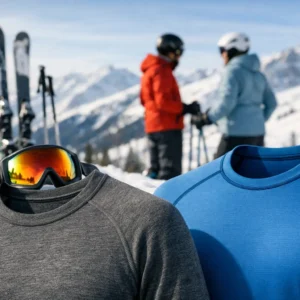
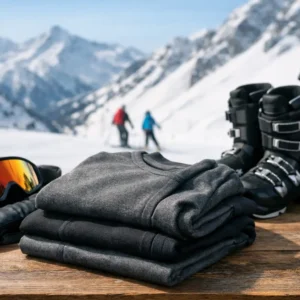
A hardshell does not automatically keep you warm. Its job is to protect the insulation beneath it from wind and moisture. For most resort days, a merino or synthetic base layer and a light fleece, grid fleece or insulated gilet will cover a broad temperature range under a shell. On genuinely cold days, add a warmer mid-layer rather than buying a heavily insulated jacket that may be excessive on every other day of the trip.
This layering approach also works well for UK skiers who use an indoor snow centre, dry slope or club trip before heading abroad. You can wear the same shell all season and alter what sits beneath it.
Where softshell skiing makes sense
Softshell is at its best in cold, settled weather. Think crisp January days in the Rockies, a bluebird high-alpine week, spring touring, or a dry Scottish day when you are moving continuously uphill. The fabric stretches as you flex into turns, feels less restrictive and vents heat exceptionally well. For skiers who dislike the rustle and stiffness of a technical shell, that comfort can be significant.
It is particularly popular with ski tourers and boot-pack enthusiasts. On the climb, breathability and freedom of movement count for more than storm-level waterproofing. A softshell trouser can be far more pleasant than a membrane trouser for a long ascent, provided there is a waterproof layer in the rucksack for the descent or a change in weather.
For lift-served skiing, softshell trousers can also be a strong option on reliably dry days. They tend to be comfortable, stretchy and less prone to that overheated feeling during active skiing. Choose a model with reinforced cuffs and inner gaiters, however. Sharp ski edges and repeated contact with boots will quickly expose a fashion-led softshell’s limitations.
The catch is persistence. Softshell handles a brief flurry, brushed snow from a chair and occasional contact with dry powder well. It becomes much less appealing during wet snowfall, in foggy coastal conditions or after repeated tumbles in spring slush. Once the outer fabric wets out, wind protection falls and the garment feels colder and heavier.
Look beyond the marketing numbers
Waterproof jackets are often sold with a hydrostatic-head figure, expressed in millimetres. A higher number can indicate stronger resistance to water pressure, but it is not a complete verdict on on-snow performance. Construction, seam taping, face-fabric durability and the condition of the water-repellent treatment all matter.
Likewise, breathability figures are useful only as part of a wider picture. A jacket with generous mechanical venting may manage heat better in practice than one with impressive laboratory claims but poor airflow. Try on outerwear with the layers you expect to ski in, raise your arms as though planting poles, and make sure the hem does not ride up and expose your lower back.
For hardshells, three-layer construction generally offers the best durability and a cleaner feel for frequent use, although it costs more. Two-layer designs can be perfectly good for a fortnight each season, often with a separate lining that feels comfortable against clothing. For occasional skiers, fit and practical features may matter more than chasing the most technical fabric on the rack.
Jackets and trousers do not have to match
There is no rule saying your top and bottom halves need the same construction. A common and effective combination is a hardshell jacket with softshell trousers on a cold, dry week. Your torso gets the most protection from wind and falling snow, while your legs benefit from stretch and breathability.
Reverse that equation with care. Softshell jacket plus hardshell trousers can work for touring or mild spring days, but the jacket is the item most exposed to weather on chairlifts. If there is any real prospect of a storm, take a waterproof shell even if it spends most of the day in your pack.
Snowboarders and anyone who regularly skis in wet European conditions will usually appreciate waterproof trousers more than softshell alternatives. Seat and knee panels take sustained moisture pressure from sitting, kneeling and brushing snow from bindings. Look for full seam taping, a durable outer fabric and ventilation that can be opened without turning the trousers into a snow scoop.
A practical choice for your next trip
If you are buying one outer layer for general resort use, choose a well-fitting hardshell jacket and build a flexible layering system underneath. It will cope with the widest range of Alpine, North American and Scottish conditions, and it remains useful long after a particular holiday is over.
Choose softshell as your main outer layer when your skiing is active, the forecast is reliably cold and dry, and comfort while moving is your priority. It is an excellent specialist tool, not a lesser version of a shell. Just be honest about the weather you are likely to encounter rather than the bluebird conditions pictured in the catalogue.
Whichever route you take, test the kit before departure, refresh the water-repellent finish when needed and leave room for layers. The best day on snow rarely arrives with a perfectly predictable forecast, but the right outerwear means you can stay out long enough to enjoy it.