New Lifts, New Places to Stay: Japan’s 2026-27 Season
Alister Buckingham from Japan Ski Experience, a Japan ski accommodation specialist based in Niseko since 2007, covering Niseko, Hakuba, Rusutsu and Furano, takes a look at what’s new for the country this upcoming season. Japan’s ski resorts closed last winter…
Skier & Snowboarder
Alister Buckingham from Japan Ski Experience, a Japan ski accommodation specialist based in Niseko since 2007, covering Niseko, Hakuba, Rusutsu and Furano, takes a look at what’s new for the country this upcoming season.
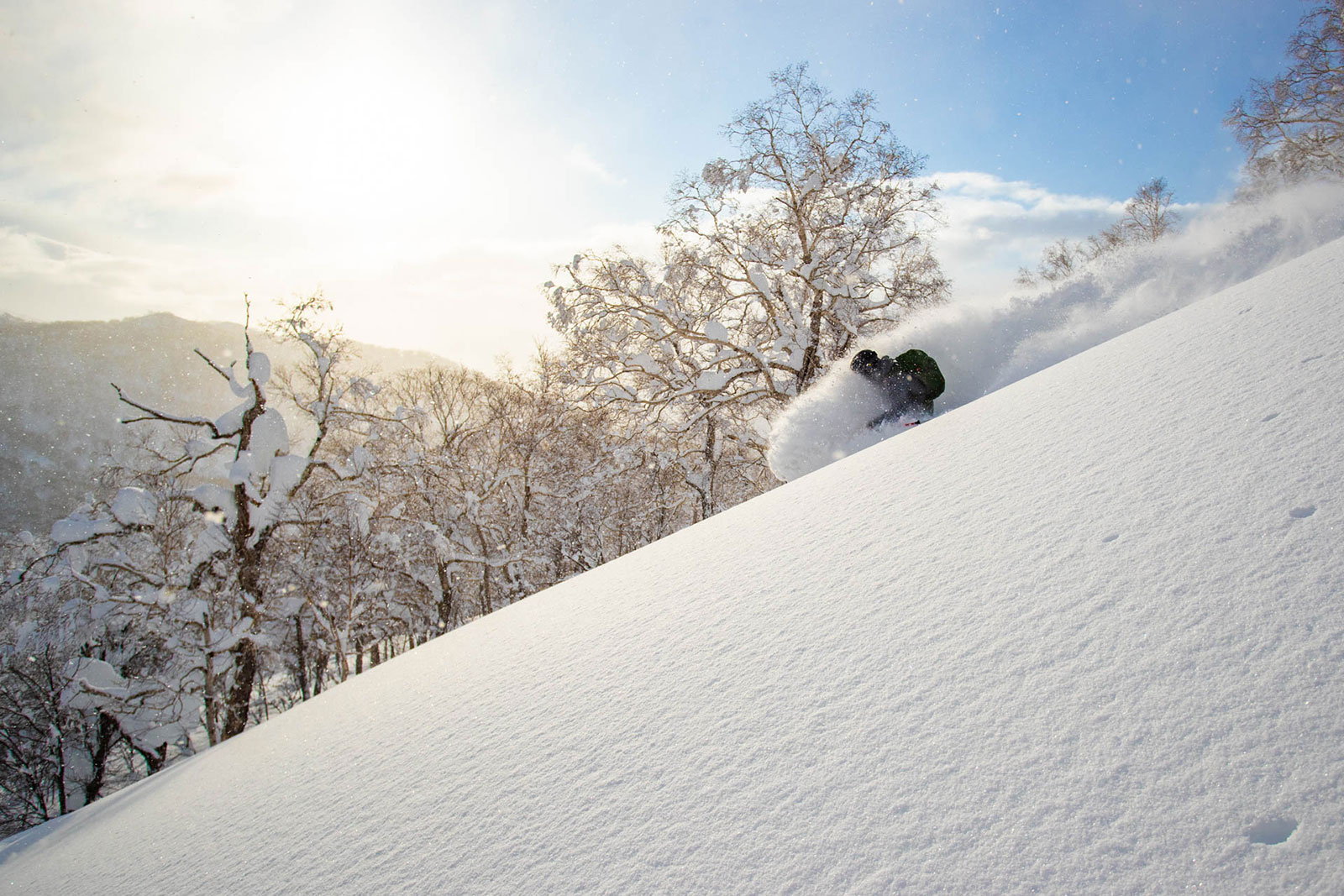
Japan’s ski resorts closed last winter on record visitor numbers, and the coming season opens with new lifts and new hotels. Hakuba Valley recorded 1.9 million skier visits in 2025-26, the most in a decade, with international visitors making up nearly half of everyone on its slopes, and Niseko had its busiest winter on record.
Those visitor numbers are the reason the resorts are now able to invest in new lifts and hotels, since much of the infrastructure at Japan’s major resorts dates from the domestic ski boom of the 1980s and had been left largely alone until international demand grew enough to justify replacing it. A lot of those upgrades will be ready for skiers arriving this winter.
Niseko United, Rusutsu and Furano all open on 28 November, with Grand Hirafu and Annupuri in Niseko running through to early May.
Japan ski season 2026/27: New infrastructure
Niseko
Grand Hirafu has replaced its King 3 chair with a new six-seater, following last season’s Ace Gondola, the bar at its base and the summit restaurant with views across to Mount Yotei. Niseko Village opens the first section of its new eight-seat Mori-no Gondola in December, the largest lift replacement in the Niseko United network, retiring the old Mori-no double and four other ageing lifts. The second section follows in December 2027, and Annupuri has confirmed a full replacement of its 1985 gondola for 2028-29.
Hakuba
Tsugaike opens a new six-seat T3 chairlift in late December, its first lift renewal in 35 years and a fix for one of the valley’s longest queues. Happo-One’s replacement gondola, nearly doubling capacity on the main line up from Nakiyama, is due in December 2027. Iwatake, which has quietly become the valley’s most popular resort for non-skiers, renewed its base centre last season and has announced a South Lift replacement for 2027 alongside a villa development designed by the architect Kazuyo Sejima. Hotel La Neige reopened in August after renovating its public spaces, and Norikura and Cortina at the quiet northern end of the valley have expanded their ungroomed terrain and introduced a shared season pass.
Rusutsu
The Lone Pine base complex at East Mountain has been fully renovated, and construction continues on Not A Hotel Rusutsu, a Snøhetta-designed summit property with ski-in ski-out access, due in 2027.
Furano
Rhythm Japan has opened a new store steps from the Kitanomine base and is offering backcountry guiding in Furano and private lessons in Hakuba for the first time. Westin is breaking ground on a hotel in Kitanomine this year.
The more famous international resorts are now more modern, with lift capacity that now matches the visitor numbers and base areas that are worth spending time in. Anyone who still wants the old Japan of a two-seat chair and a noodle shack can find it at any number of small hills across the country, and will have an adventure doing so, though the terrain might not match what Niseko, Hakuba, Rusutsu and Furano offer. That combination of terrain, reliable snow and walkable accommodation is why the big four are so well known.
New places to stay
Moxy Niseko Village is one of the biggest new Niseko accommodations to open in the resort. This is Marriott’s design-led, mid-range brand offering 310 rooms beside the Niseko Village Gondola, and is opening in December. It is ski-in ski-out and the brand is aimed at the middle of the market rather than the top. Nearby, The 1898 Niseko opened last December in Kabayama with six suites of up to 350 square metres, each with a private hinoki onsen.
In Hakuba, Triple Eight 888, new for this winter in Wadano, is a five-bedroom villa for 12 with a sauna, stone bath and gym, three minutes’ walk from the Sakka slopes at Happo-One. Boots Off Collection is a group of new four-bedroom chalets in Echoland, each sleeping eight, a short walk from the area’s restaurants and bars. For couples and small groups, Kado Apartments is a new block of 12 studios and two bedrooms behind the Olympic sign in Lower Wadano. A lot of Hakuba accommodation is run by small local operators who have never listed online before, so the choice is wider than it looks.
In Furano, Lyra by NOZO opens for the season: 20 furnished residences of one to four bedrooms beside the NOZO Hotel in Upper Kitanomine, three minutes’ walk from the gondola, with access to the hotel’s restaurant, bar, spa and gym.
When to book
Hotels at Japanese resorts open for bookings around the start of March, and that is when peak dates see the most interest. Anyone set on Christmas or New Year should book in March or April. Anyone flexible on dates can find good accommodation for February and March a bit later in the year, and late February has snow to match January’s with a fraction of the crowds.
Hakuba lift passes usually drop in price from early March, with accommodation receiving a similar reduction in price compared to peak season. For most ski-in ski-out properties, the difference between making a booking early in March, and booking later in June is usually the difference between choosing a room and taking what is left.
We use cookies to make this site work and, with your consent, to measure performance and personalise content. You can accept all cookies, reject non-essential cookies, or choose which to allow.
These cookies are essential for the website to function and cannot be switched off. They are usually set only in response to actions you take, such as setting your privacy preferences, logging in, or completing forms.
Analytics / Performance
These cookies help us understand how visitors use the site so we can measure and improve performance. The information is aggregated and, where the exemption applies, used only on a first-party, statistical basis.
Marketing & Advertising
These cookies are used to build a profile of your interests and show you relevant adverts on this and other sites. They are only ever set with your explicit consent.