A snowboard outfit is put to the test long before the photo from the chairlift. It has to work while buckling in on a wet deck, hiking a park feature, sitting on a lift in a squall and squeezing into a crowded mountain café. That is why the most convincing snowboard fashion trends 2026 are less about copying a look from social media and more about choosing kit with enough character to feel personal, while still doing its job in proper winter weather.
For UK riders, that distinction matters. A week in the Alps can bring spring slush at resort level and hard wind at the top lift station in the same day; a Scottish session can turn from bluebird to side-on sleet before lunch. Fashion is part of snowboarding’s identity, but the best current direction respects the practical, slightly stubborn reality of being outside all day.
Snowboard fashion trends 2026: the big shift
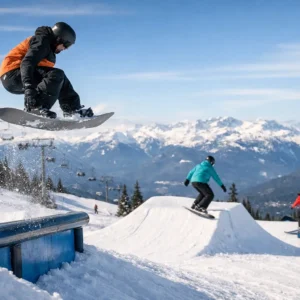
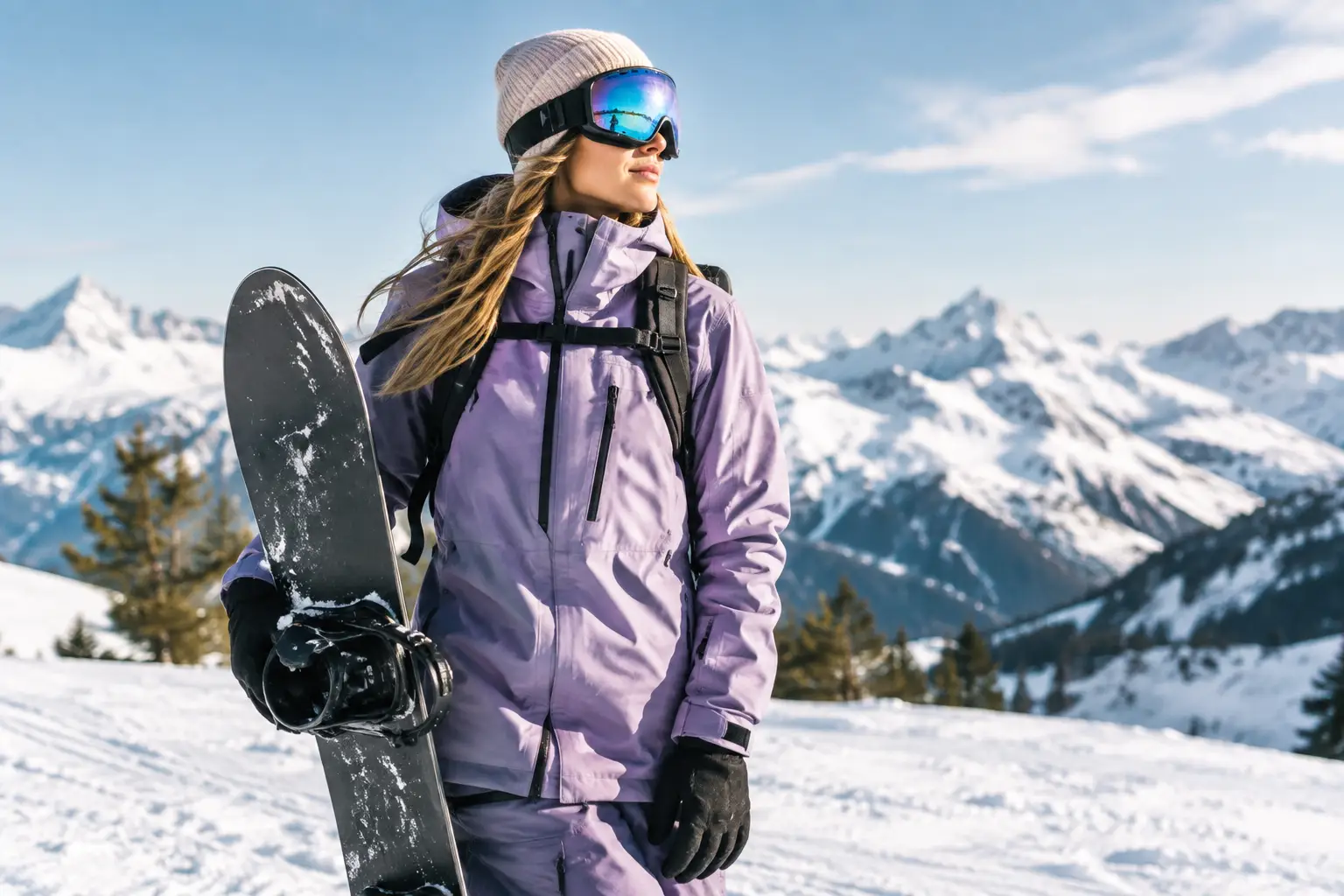
The prevailing silhouette remains relaxed, but it is becoming more considered. Baggy trousers and roomy jackets have not disappeared, particularly among park riders, yet the exaggerated look is increasingly balanced with cleaner proportions, better fabric drape and purposeful layering. Think a shell that gives room to move without swallowing the rider, paired with trousers that stack neatly over boots rather than dragging through the snow.
This is good news for anyone who has felt excluded by a one-size-fits-all trend cycle. A looser fit helps with movement and leaves space for insulation, but it is not automatically warmer, drier or more comfortable. Riders who spend their day carving pistes or travelling long distances on lifts may prefer a regular-fit jacket with articulated arms and slightly more tailored trousers. The right shape depends on how, and where, you ride.
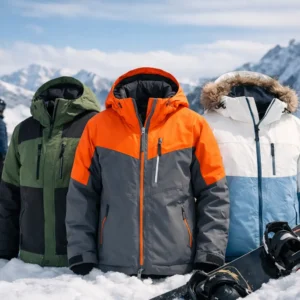
Colour is also gaining confidence. Alongside reliable black, charcoal and olive, expect earthy rust, clay, moss and deep brown, plus brighter blocks of cobalt, red, icy blue and acid yellow used with more restraint than the loud all-over prints of previous eras. Tonal outfits are strong too: matching shades across jacket and trouser create a deliberate look without demanding that every item comes from the same range.
The useful rule is simple: choose one statement. A vivid jacket works well with darker trousers; boldly patterned trousers usually need a quieter upper half. Matching everything can look sharp, but it also makes replacing one worn-out piece more difficult and can date quickly.
Utility is shaping the look
Technical details are now visible parts of the design rather than things hidden inside a jacket. Large hand pockets, chest pockets that genuinely accommodate a phone, reinforced cuffs, adjustable hems and easy-to-use vents all contribute to the workwear-influenced direction. A jacket looks better when its pocket placement and seams make sense because it has been designed for a day on snow, not merely styled to resemble outdoor clothing.
Bib trousers continue to earn their place for riders who spend time in powder, ride in wet snow or simply dislike the gap that can open between jacket and waistband. Their renewed popularity is not purely nostalgic. A good bib provides coverage, useful storage and a secure fit, particularly when crouching to adjust bindings. The trade-off is warmth and convenience: they can feel too hot in spring, and toilet stops take longer.
Cargo pockets are another clear feature, but bulk needs managing. A capacious thigh pocket is handy for a snack, tool or spare lens, though filling both sides with heavy items can alter how trousers sit and feel when riding. Function looks best when it remains functional.
The return of the shell jacket
Insulated jackets are still a sensible choice for cold, dry days and for people who run cold on lifts. Yet shells are increasingly central to snowboard style because they make layering more flexible and tend to deliver the clean, lighter silhouette many riders want. A shell over a fleece or light synthetic mid-layer can cover a broad range of conditions, from a chilly January morning to soft March snow.
Do not confuse a fashionable shell with a capable one. Look closely at waterproof rating, breathability, seam taping, hood adjustment and vent placement. For a British rider booking a mixed-weather holiday, a well-made shell with proper protection is often the smarter long-term purchase than a lightly waterproof fashion piece. If you ride mostly indoor slopes or in mild spring conditions, however, heavy-duty specification may be unnecessary weight and expense.
Layers are no longer meant to be hidden
The mid-layer has become part of the outfit. Technical fleeces with contrasting zips, half-zip pullovers, grid fleeces and simple crew-neck insulating layers are appearing beneath open shells and around resort terraces. The appeal is obvious: the outfit can change through the day without the rider looking as though they have removed the only interesting part of it.
This does not mean wearing a cotton hoodie under your jacket because it looks right. Cotton holds moisture, takes a long time to dry and can leave you cold after a fall or a sweaty park lap. A performance fleece, merino blend or synthetic layer delivers much the same relaxed look with a far better outcome on snow. A hoodie can still be ideal for après, travelling or an evening in resort. It is simply not the best foundation for a cold, wet riding day.
Base layers are following a quieter path. Black, cream, muted stripes and small graphics feel more versatile than novelty prints, while close-fitting merino or synthetic pieces reduce bunching under trousers and jackets. The most stylish base layer is the one that keeps its shape after a week of wear and does not become clammy on a hike.
Helmet, goggles and gloves should belong together
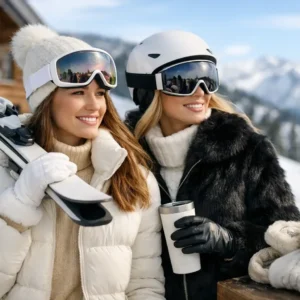
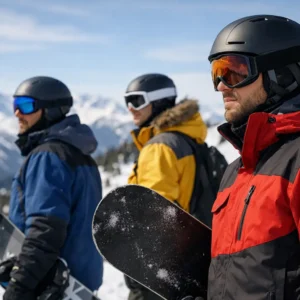
The era of treating protective equipment as an afterthought has passed. A low-profile helmet in matte black, off-white, grey or a colour drawn from the jacket now anchors an outfit, while cylindrical goggles continue to offer a clean, modern shape. Lens choice should still come before aesthetics. A high-contrast lens for flat light can transform a murky afternoon, whereas a dark lens that looks excellent in the car park may be a poor companion in snowfall.
Aim for a close helmet-and-goggle fit, with no large gap across the forehead. Beyond looking tidier, it helps keep wind and snow out. Try them together before travelling, ideally with the thin beanie or balaclava you actually intend to wear. A helmet that presses a goggle frame into your nose will not become more comfortable halfway through a six-day trip.
Gloves are becoming more design-led, from understated leather palms to bolder insulated mitts, but this is one place where riding style should decide. Mitts are warmer and suit cold resort days; gloves offer better dexterity for buckles, zips and phone use. Park riders may favour durable palms and wrist leashes, while a rider who regularly uses lift passes, maps and cameras may value fingers over maximum warmth.
Building a 2026 look without buying a whole wardrobe
The most sustainable response to snowboard fashion trends 2026 is not a complete annual reset. Start with the items that control fit and comfort: outerwear, trousers and boots. Boots should never be chosen to match a colour scheme if the fit is wrong. Once those essentials are sorted, a fleece, neck tube, beanie or gloves can update an existing outfit for considerably less money.
Vintage and second-hand outerwear can add genuine character, especially classic colour-block jackets and well-made workwear-inspired pieces. Inspect waterproof coatings, seams, cuffs and zips carefully, though. Older clothing may look superb but have lost its weather resistance, and repairing or reproofing it is not always economical. Used pieces work particularly well for après layers and fair-weather riding, while a dependable modern shell remains a wise investment for a full mountain week.
There is also no need to dress like the strongest rider in the park. A clean, comfortable setup in colours you will still like next season carries more confidence than a trend-led outfit that restricts movement or leaves you shivering on the lift. Snowboarding has always made room for different tribes, from groomer cruisers and powder hunters to first-timers finding their feet at a UK dome.
Choose the look that makes you want to ride another lap, then make sure it will still work when the clouds close in. That is the version of snowboard fashion worth taking to the mountain.