The choice between a chalet and a hotel can shape far more than where you sleep. It affects whether your first lift involves a short walk or a shuttle bus, whether dinner is a sociable event or an evening to arrange as you go, and how easily the whole party can do its own thing. For British skiers and snowboarders, chalet vs hotel skiing is often less about luxury versus value than about matching the accommodation to the way the group actually wants to spend its mountain time.
A brilliant week can be built around either. The key is to look beyond glossy photos of roaring fires and spa pools, and consider the daily rhythm: boot rooms, lift access, meal times, tired legs, children, non-skiers and the inevitable debate over first tracks versus a leisurely breakfast.
Chalet vs hotel skiing: the practical difference
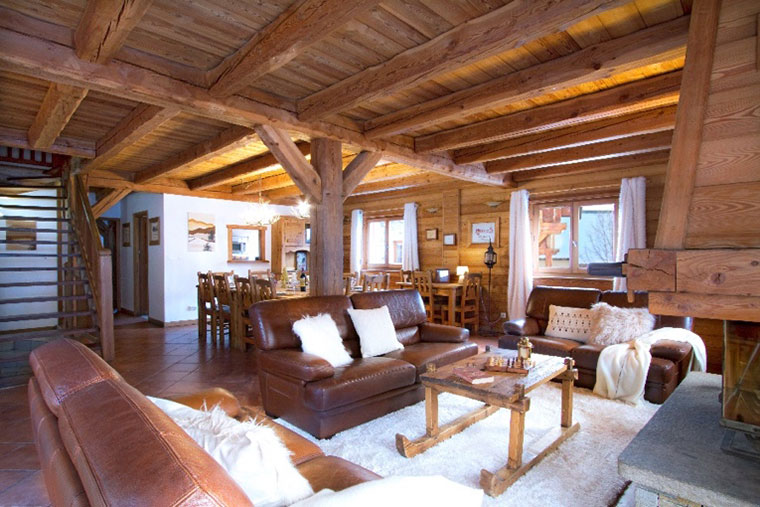
A catered chalet is usually a smaller property, shared with one group or several families or couples, with breakfast, afternoon tea and evening meals provided on most nights. The traditional appeal is clear: return from the slopes to cake, let someone else cook, and settle into a relaxed house-party atmosphere. Some chalets are fully staffed and highly polished; others are simpler, more informal and better suited to friends who value a communal base over hotel facilities.
Hotels range much more widely. They may be family-run three-star properties in the village centre, smart ski-in, ski-out addresses with full wellness areas, or large resort hotels with bars, restaurants and reception staff on hand throughout the day. Board can be bed and breakfast, half-board or, less commonly in Alpine resorts, all-inclusive.
Self-catered chalets and flats sit somewhere between the two, but they should not be confused with catered chalet holidays. They offer privacy and flexibility, yet place the shopping, cooking and washing-up squarely back on the group. That can be ideal for a food-focused resort break or a tightly managed budget, but it is a different proposition after six hours in boots.
Think about the ski day, not just the bedroom
The best accommodation on paper can become tiresome if it makes getting to the lifts a daily project. A hotel in the centre of a walkable village may be more convenient than a chalet on the outskirts, even if the chalet has larger rooms and a better view. Equally, a piste-side chalet with a proper boot room can transform the morning for families and keen skiers chasing the first lift.
Ask precisely where the property is in relation to the lift you will use most. “Close to the slopes” can mean a five-minute flat walk, a steep lane in ski boots, or a scheduled minibus ride. In big linked areas, proximity to the right lift matters too. Staying near a beginner area is useful for a mixed-ability family, while a group intent on covering mileage may prefer quick access to the main lift network rather than the prettiest village square.
Hotels generally have the edge for services that make a hard ski day easier. A staffed reception can solve a late transfer, reserve a restaurant or point you towards a ski hire shop. Larger properties may add a pool, sauna, steam room, gym, bar and proper drying facilities. For snowboarders, who often have more awkward gear to carry through town, a genuine ski room close to the exit is not a trivial detail.
Chalets can be equally efficient when well run. Hosts often know the local lift pattern, can arrange in-resort transport and may lay out breakfast around the needs of early starters. But do not assume this is standard. Check whether the chalet has an in-house driver, the hours they operate and whether the service covers evening trips as well as the morning lift run.
Food, company and the shape of the evening
This is where a catered chalet remains hard to beat. Coming back to tea and cake before a shower, then sitting down to a cooked dinner with wine, gives the week a satisfying rhythm. It particularly suits a group that wants to ski hard, keep evenings simple and avoid splitting up to find tables in a busy resort.
The trade-off is flexibility. Dinner is often served at a set time, on a set number of nights, and everyone eats broadly the same menu. Good operators handle dietary requirements capably when told in advance, but travellers with complex allergies, young children with unpredictable appetites or a particular interest in local restaurants may find a hotel more accommodating.
A hotel gives you a choice of pace. Half-board works well for those who want breakfast and dinner sorted, while bed and breakfast leaves the evening open for mountain restaurants, village wine bars and the occasional long lunch that makes a full dinner unnecessary. It is also easier for couples or smaller groups who do not want the sociability of sharing a dining table with strangers.
That sociability is either the point of chalet life or the reason to avoid it. A sole traveller, a sociable couple or a group booking an entire chalet can find it one of the great pleasures of a ski holiday. If your idea of recovery is a quiet drink and an early night, a hotel room offers more separation.
Cost is more complicated than the brochure price
It is tempting to compare a chalet’s headline price with a hotel’s room rate, but the useful comparison is the likely total spend. A catered chalet package may include breakfast, afternoon tea, dinner, wine with meals and sometimes local transfers. A bed-and-breakfast hotel may look cheaper until several restaurant dinners, drinks and taxis are added.
On the other hand, hotel choice can allow a group to control spending. A modest room in a well-located property, breakfast from the buffet, supermarket lunches and a mix of casual restaurants can be very good value. Self-catering is often the lowest-cost route for a full chalet or flat, particularly when every bed is filled, although it demands organisation.
Group size changes the equation. Chalets offer excellent value when friends or two families can occupy the whole property and spread the cost of larger communal spaces. Couples may be better served by a hotel, especially if a chalet operator charges a supplement for empty beds or has limited availability on popular dates. Solo travellers should look carefully at room supplements in hotels and shared-room policies in chalets.
Also consider what matters enough to pay for. A slope-side hotel with a spa can be worth more than a cheaper property requiring a bus each way, particularly on a short break. Conversely, a smart hotel is wasted value if the plan is first lift, packed days and early nights.
Who should choose a chalet and who should choose a hotel?
A catered chalet is often the strongest fit for a group that wants the holiday to feel shared. It works especially well for families travelling together, ski club friends, milestone trips and mixed groups where some people are happy to relax at the property while others head for après. The familiar hosts, communal lounge and meals included remove plenty of small decisions from the week.
Choose carefully if the group has sharply different schedules. A teenager who wants to eat at 9pm, a couple determined to sample every restaurant, or riders who regularly stay out late may find fixed meals frustrating. Chalets also vary substantially in room quality, so inspect whether everyone is getting an en-suite room of a reasonable size rather than assuming the master bedroom is representative.
A hotel is a dependable choice for couples, short breaks, independent travellers and anyone placing a premium on location, facilities or personal space. It can also be the easier option for beginners: a central hotel close to ski school meeting points, rental shops and cafés reduces stress in the first few days on snow.
Experienced skiers and snowboarders should not dismiss hotels as the less characterful option. In resorts with strong mountain restaurants and lively village scenes, a good hotel gives you the freedom to follow conditions, stay out for a late lunch or book dinner wherever the day takes you.
Questions worth asking before you book
Before committing, establish the real lift journey, not the marketing description. Check the exact board basis, which nights chalet dinner is served, whether drinks are included, and whether dietary needs can be met. For chalets, ask about the transfer or driver timetable, the number of guests sharing the property and bedroom configurations. For hotels, check ski storage, spa access, parking if driving, and whether resort taxes or service charges sit outside the quoted price.
If travelling in peak school-holiday weeks, book the accommodation that removes the biggest pressure point for your party. That may be a family room close to ski school, a chalet large enough for everyone, or a hotel with restaurant reservations handled before you arrive.
The right base is the one that leaves more energy for the reason you travelled: good turns, good company and that last satisfying glide back through the village as the lifts close.
Related Posts:


Categories: Resort News & Reports
Leave a Reply
You must be logged in to post a comment.