A deep base is only half the story. The best ski resorts for snow also need the altitude, terrain, lift access and piste management to make the most of it – whether you want groomed corduroy, storm-day tree runs or a serious off-piste itinerary. For UK skiers and snowboarders, the sensible choice is rarely the resort with the biggest headline snowfall. It is the one that suits when you can travel, how you like to ride and how much uncertainty you are willing to accept.
A high resort can preserve snow long after lower neighbours have turned springlike, but exposed lifts may close in a storm. A place famed for powder may deliver extraordinary tree skiing, yet require a long-haul flight and flexible plans. And while glaciers remain useful high-altitude terrain, they are not a guarantee of excellent snow at every point in the season.
What makes a ski resort genuinely snow-sure?
Altitude is the obvious starting point. Resorts with extensive terrain above 2,000m tend to hold their cover well, particularly when much of their skiing faces north or north-west. A reliable winter storm track matters just as much: western Austria and the northern Alps often benefit from frequent Atlantic systems, while Hokkaido is fed by cold air crossing the Sea of Japan.
Then there is the practical side. Snowmaking protects key pistes and home runs in marginal periods, while good grooming turns a heavy snowfall into an enjoyable week for mixed-ability groups. For freeriders, terrain below the tree line can be the difference between a memorable powder day and a day spent waiting for visibility. No resort is snow-proof, especially in a warming climate, but some stack the odds far more convincingly in your favour.
The best ski resorts for snow, by snow type
1. Tignes-Val d’Isère, France
Tignes-Val d’Isère remains one of the strongest all-round answers for a snow-focused European holiday. The linked area reaches 3,456m on the Grande Motte, has a vast amount of terrain above 2,000m, and offers enough variety to keep a mixed group occupied for a full week. Tignes is particularly practical for those who want to stay high, with several villages sitting well above the point where thaw-and-freeze cycles can spoil lower pistes.
It is not merely a high-altitude safety net. After fresh snow, the area has serious lift-served itineraries and off-piste potential, while strong piste maintenance makes it a dependable choice for intermediates. The trade-off is exposure: in a full whiteout, the upper mountain can feel uncompromising. Lower runs around Val d’Isère and the trees towards La Daille provide useful shelter when conditions close in.
2. Val Thorens, France
At 2,300m, Val Thorens is Europe’s highest major ski resort, and that elevation gives it a clear advantage during early and late-season trips. It sits in the Three Valleys, so snow-hungry riders have access to an enormous lift network, but the local slopes above the resort are the real insurance policy when temperatures rise elsewhere.
For snowboarders and improving skiers, the broad, open pistes are confidence-building and generally hold their quality well. More advanced visitors can quickly move towards Orelle and the higher Méribel sector for steeper terrain. Val Thorens can be busy in peak weeks and its treeless landscape is not everybody’s idea of a storm-day playground. Choose it for altitude, mileage and a late-April holiday, rather than quiet mountain charm.
3. Cervinia-Zermatt, Italy and Switzerland
Cervinia offers high, sunny cruising on the Italian side of the Matterhorn, with slopes reaching close to 3,900m when the international link is open. Its pistes are wide, confidence-giving and unusually reliable for families and intermediates seeking a snow-sure Easter break. The high glacier sector gives the area a long season, although wind can affect the most exposed connections.
Crossing into Zermatt adds scale, steeper challenges and a different feel altogether. Snowboarders should plan routes carefully, as the combined area includes long traverses and occasional flat sections. The main compromise is price, particularly if you stay or eat on the Swiss side. Base yourself in Cervinia for better value, then treat Zermatt as a day out when weather and lift operations line up.
4. St Anton and the Arlberg, Austria
The Arlberg is not Europe’s highest ski region, but it is one of its most dependable natural-snow destinations. St Anton, Lech, Zürs, Warth and Schröcken form a huge connected area with an exceptional reputation for storm totals and off-piste terrain. Frequent snowfall, strong lift infrastructure and a broad range of aspects make it a compelling choice from January through March.
This is a resort region for confident riders who want more than manicured motorway pistes. Powder can linger in bowls, gullies and tree-lined terrain long after a storm, but local knowledge matters. The Arlberg’s off-piste reputation should not be mistaken for an invitation to ride unprepared: hire a qualified guide, carry the right safety equipment and make conservative decisions. Beginners can enjoy it, but other Austrian resorts are easier places to learn.
5. Obertauern, Austria
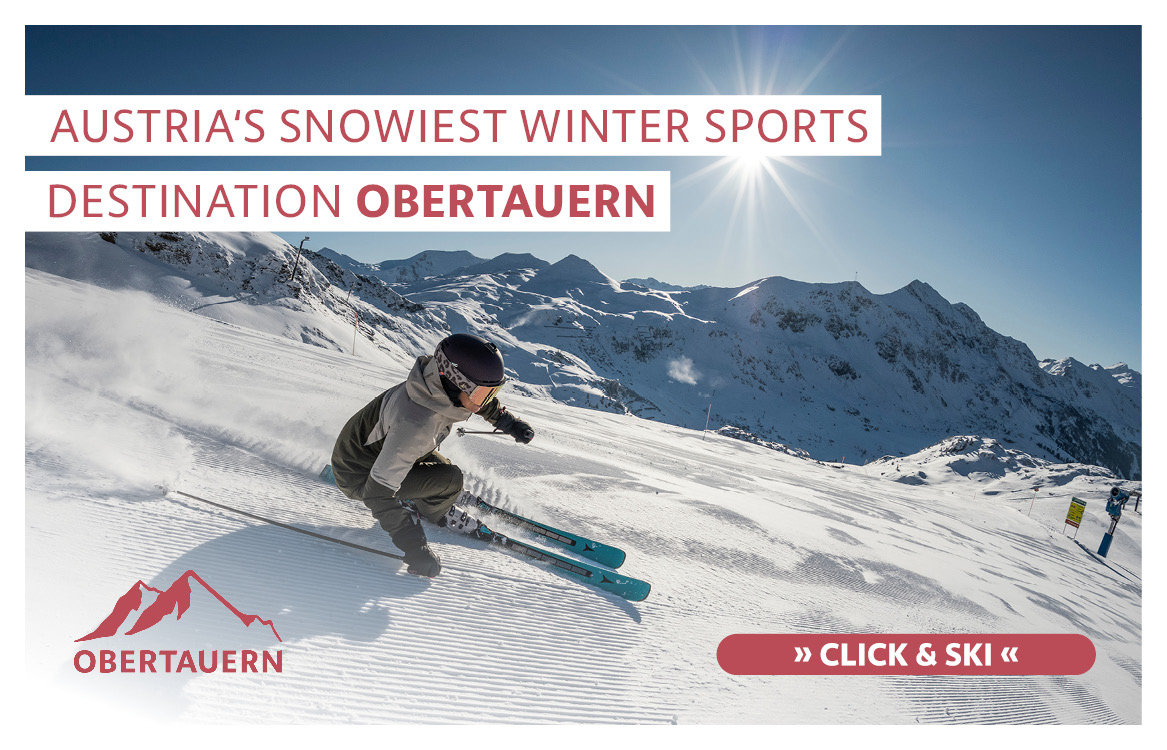
Obertauern is a shrewd choice for skiers who value snow reliability over grand Alpine drama. Set around 1,740m and benefiting from a notably snowy position on the northern side of the Tauern range, it often receives more regular snowfall than its modest altitude suggests. Its circular lift layout makes it simple to navigate, and most accommodation is close to the slopes.
The resort is especially effective for a short break, families and groups with varied confidence levels. Pistes are well looked after, there are plenty of natural features to keep snowboarders engaged, and the village retains a sociable Austrian atmosphere. Its terrain is less extensive and less dramatic than the Arlberg, so expert skiers looking for a huge itinerary may outgrow it. For a compact, snowy and low-fuss week, however, it is hard to overlook.
6. Engelberg, Switzerland
Engelberg’s Titlis terrain rises above 3,000m, giving it serious high-mountain credentials, while the resort’s location often draws substantial snowfall. This is one of the Alps’ standout destinations for advanced skiers and snowboarders who want steep lines, deep snow and a genuine big-mountain atmosphere. The famous Laub run is only one indication of the scale available when conditions are right.
It demands respect. Much of Engelberg’s appeal lies beyond standard pistes, and the snow can be heavy, complex and quickly tracked after a storm. A guide transforms the experience for visitors unfamiliar with the mountain, particularly when visibility is limited. Intermediates will find worthwhile pistes, but this is best chosen by riders who see powder and challenging terrain as the point of the trip, not an occasional bonus.
7. Niseko United, Japan
For quantity and consistency of light powder, Niseko remains a benchmark. Hokkaido’s winter weather pattern can bring repeated snowfall through January and February, refreshing the pistes and trees with remarkable regularity. The four connected resort areas – Grand Hirafu, Hanazono, Niseko Village and Annupuri – suit a broad range of abilities, but the tree riding is what brings committed skiers and snowboarders back.
Niseko is not a cheap secret, and peak powder weeks require early planning. It can also be flat-light and busy in the most accessible lift zones after a major dump. The answer is not to dismiss it, but to approach it properly: allow enough days, consider guided touring or neighbouring areas, and accept that deep snow changes the rhythm of a holiday. A metre of fresh powder is brilliant, but it is not the week for ticking off high-speed groomers from first lift to last.
8. Revelstoke, Canada
Revelstoke combines huge vertical, abundant Pacific snowfall and properly ambitious terrain. Its lower slopes are not as high as the French resorts on this list, but the upper mountain and surrounding snowpack can be exceptional in midwinter. For strong skiers and snowboarders, the mix of steep trees, open bowls and the option of cat or heli-skiing makes it one of North America’s most exciting snow destinations.
The character of the snow is different from Hokkaido’s famously dry powder. Coastal systems can bring deeper, denser snow, which is excellent for stability after settlement and for building a substantial base, but demands more effort on a board or in soft snow. Revelstoke also rewards flexibility: weather can affect upper lifts, and a Canadian trip is a bigger commitment than a week in the Alps. Give it time, rather than treating it as a four-day add-on.
Pick the right week, not just the right resort
For Christmas and New Year, prioritise altitude and extensive snowmaking: Tignes, Val Thorens and Cervinia are safer bets than picturesque low-level villages. January and early February are prime months for cold temperatures and powder in the Alps, Japan and Canada, although short daylight and stormy weather are part of the package. March often offers the best balance of settled snow, longer days and more comfortable mountain weather, particularly in high Alpine resorts.
The strongest snow holiday is usually built around a realistic brief. Decide whether your group wants high pistes, trees, park laps, guided powder or relaxed cruising, then choose a resort that can deliver those things when the forecast is merely good rather than perfect. Watch conditions closely before departure, pack for changing weather, and leave room in the plan for the best days to be spent following the snow rather than the piste map.