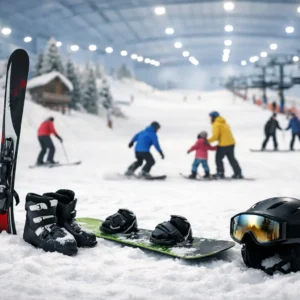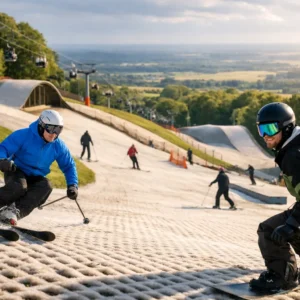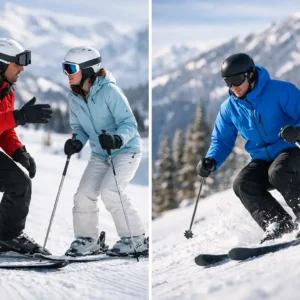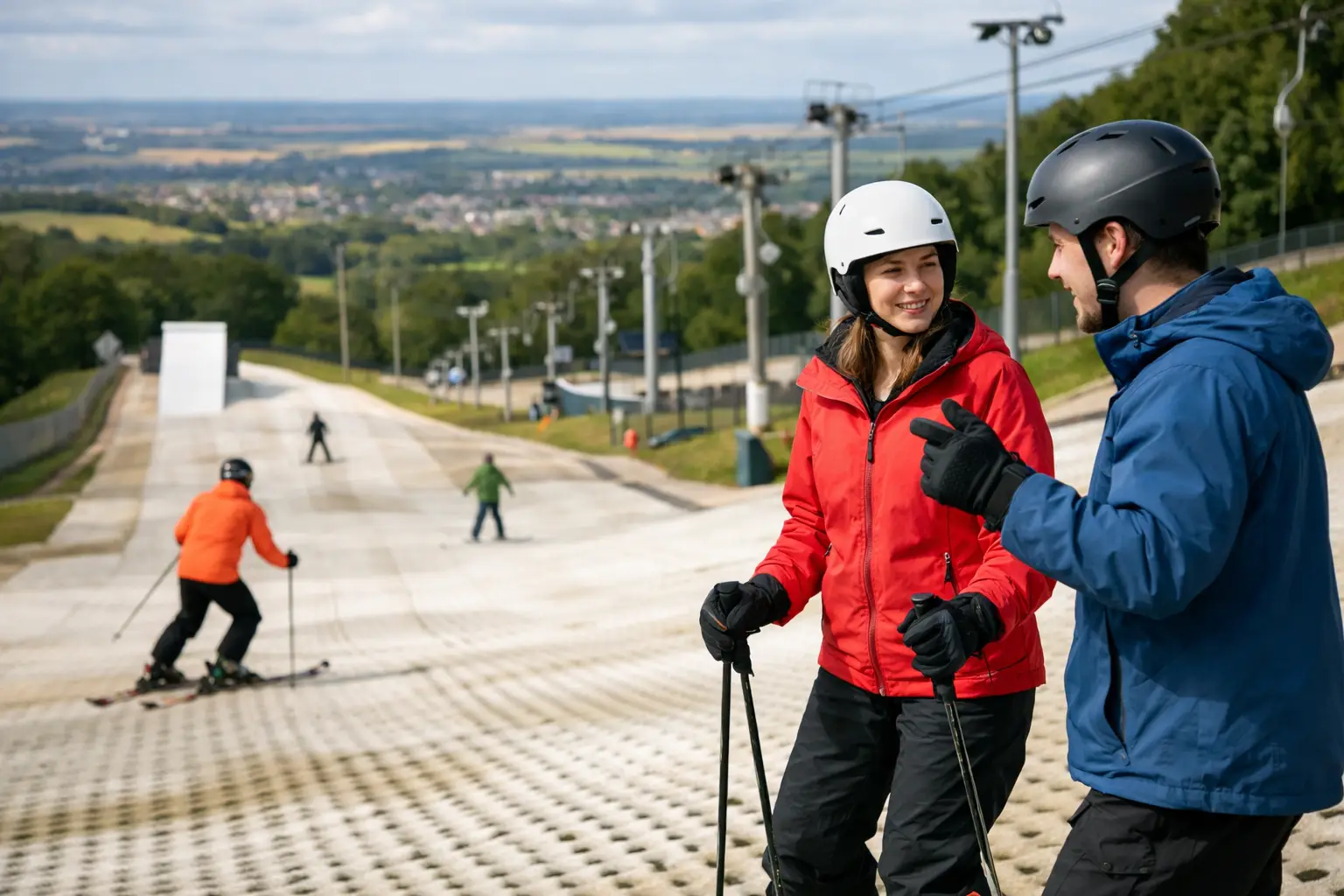
Book your first set of UK dry slope lessons and the biggest surprise is usually how quickly the nerves settle once you start moving. The surface looks unfamiliar, the kit can feel slightly clunky at first, and nobody is pretending it is the same as a week in the Alps. But for many British skiers and snowboarders, dry slopes are where the sport begins – and where plenty of strong habits are built before the first proper snow holiday.
That matters more than ever. A lesson taken close to home is cheaper, easier to fit around work, and far less pressured than trying to learn on a mountain where lift passes, travel costs and limited holiday time raise the stakes. Dry slope instruction also plays an important role beyond the beginner stage. For returners, club racers, freestyle riders and families getting children started, it remains one of the most useful entry points into the sport in the UK.
Why UK dry slope lessons still matter
Dry slopes have sometimes been treated as the compromise option, especially since indoor snow centres became more common. That misses the point. They are not there to imitate a resort perfectly. They are there to teach movement patterns, edging, balance and confidence in a controlled setting.
For beginners, that means learning to stop, turn and use a lift without the added chaos of a busy resort. For intermediates, it can mean tidying up technique before a winter trip. If your skiing has drifted into defensive habits, or your snowboarding still feels inconsistent on one edge, a few structured sessions can make a noticeable difference.
There is also the simple advantage of repetition. In the mountains, many people ski once or twice a year. On a dry slope, you can practise weekly. That frequency often matters more than terrain glamour. Good coaching plus regular mileage is still the most reliable route to improvement.
What your first lesson will actually feel like
Most first-timers imagine speed and steeper gradients than they will face. In reality, beginner sessions are usually very controlled. Expect to start on a nursery area or gentle section, with an emphasis on stance, balance and basic movement rather than straight away linking polished turns.
Skiers will usually begin by getting comfortable sliding, learning how to slow down with a snowplough and understanding how the skis respond when edged. Snowboarders typically spend time on one-footed mobility, posture and early edge control before moving on to linked turns. There is no prize for rushing. A good instructor will keep the pace steady enough for technique to bed in.
The surface itself takes a little getting used to. Dry slopes tend to feel more resistant than snow, and they can punish lazy movements. That is not always a bad thing. If you stand in the back seat on skis, or let your board run flat when it should be on edge, the feedback is immediate. Used properly, that can speed up learning.
Clothing needs a bit of thought. Long sleeves, gloves and durable trousers are sensible because falls on a dry surface are less forgiving than on soft snow. Most centres can provide kit hire, and beginners are usually better off hiring first rather than buying too soon.
Ski or snowboard – which works better on a dry slope?
Both can work well, but they feel different. Skiing often gives beginners a slightly quicker route to early control, especially for adults who want to be comfortable on a family ski holiday as soon as possible. The independent legs, straightforward stance and relatively familiar facing-forward position help many people settle faster.
Snowboarding can have a tougher first few sessions. Catching an edge on a dry surface is memorable, and beginners may spend more time falling while they learn heel-side and toe-side control. But once those basics click, progress can be rapid. Riders who stick with it usually gain a strong grounding in balance and edge awareness.
It depends partly on your goals. If your priority is getting round a resort confidently with minimal fuss, skiing may offer the easier runway. If you are drawn to the riding style, terrain parks or simply prefer the feel of a board, there is no reason dry slope lessons cannot set you up well. The key is choosing what genuinely motivates you to keep turning up.
The difference between dry slope and indoor snow lessons
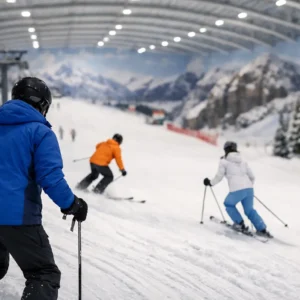
This is where expectations need to be realistic. Indoor snow centres offer a more natural sliding experience, real snow underfoot and a closer match to what you will find on holiday. That makes them especially useful for confidence-building before a trip and for practising skills where snow feel matters.
Dry slopes, though, are often more accessible geographically and can be excellent value. They also encourage precise technique because the surface demands accuracy. Instructors who work regularly on dry slopes are used to helping people adapt and can be very effective at building dependable fundamentals.
If you have the choice, it is not really a contest so much as a combination. Dry slope lessons are ideal for regular repetition and foundational work. Indoor sessions are excellent for translating that into a more mountain-like feel. One does not cancel out the other.
How many lessons do you need?
There is no neat universal number, which can frustrate people who want a quick benchmark. A sporty teenager may be linking turns after a couple of sessions, while a cautious adult learner may need longer to feel relaxed. Progress depends on fitness, confidence, prior board-sport experience and how often you practise between lessons.
As a rough guide, complete beginners often benefit from a short run of lessons rather than a one-off. A single session can introduce the basics, but the second and third are often where movements begin to stick. If you are learning ahead of a ski trip, leaving enough time for several sessions is usually wiser than booking one lesson a week before departure and hoping for the best.
For improvers, the pattern can be more targeted. One lesson to identify faults, a few practice sessions to work on them, then another lesson to refine the next step. That tends to be more productive than endless unsupervised mileage.
Getting the most from UK dry slope lessons
The people who progress fastest are not always the most naturally gifted. More often, they are the ones who turn up prepared, listen carefully and stay patient through the awkward early phase.
Arrive early enough to sort your boots and equipment without stress. If your boots feel loose or uncomfortable, say so immediately. Poorly fitting hire kit can make even basic drills harder than they need to be. During the lesson, ask simple questions and focus on one correction at a time. Trying to fix everything in one run rarely works.
It also helps to treat the first few sessions as skill-building rather than a test of bravery. Good posture, controlled speed and clean basics will take you much further than forcing yourself onto steeper terrain too soon. If you have a mountain trip booked, tell your instructor. They can shape the lesson around the sort of terrain and situations you are likely to meet on holiday.
Who benefits most from dry slope coaching?
Beginners are the obvious group, but they are not the only ones. Families often find dry slopes a sensible way to introduce children to skiing or snowboarding without committing to a full holiday before they know whether the sport clicks. Adults returning after a long break can use lessons to rebuild confidence in a lower-pressure environment.
They are also valuable for experienced skiers and riders who want technical tune-ups. Carving, short turns, posture work, freestyle basics and race training all have a place on UK slopes. Club culture is a big part of that story. Many dry slopes are not just teaching venues but genuine community hubs, where regulars train, socialise and keep their mountain legs active through the year. That grassroots scene has long been an important part of British snowsports, and specialist titles such as Skier & Snowboarder have covered it for good reason.
The trade-offs worth knowing
Dry slopes are useful, but they are not magic. Falls can feel harsher, and some people simply never love the surface. If your only experience of the sport is on dry matting, the first day on real snow may still feel different enough to require an adjustment period.
That said, the adjustment usually works in your favour. Many skiers and snowboarders who have learned solid fundamentals on a dry slope find snow more forgiving once they arrive in resort. The mountain then becomes less about surviving the basics and more about enjoying the setting, exploring terrain and building mileage.
If you are weighing up whether to start now or wait for your next trip, the practical answer is simple. Start now. A handful of local sessions can strip away the most stressful part of learning and make your holiday feel far better from day one. And if you stay with the sport, those familiar UK slopes may become more than a stepping stone – they might become part of your season in their own right.