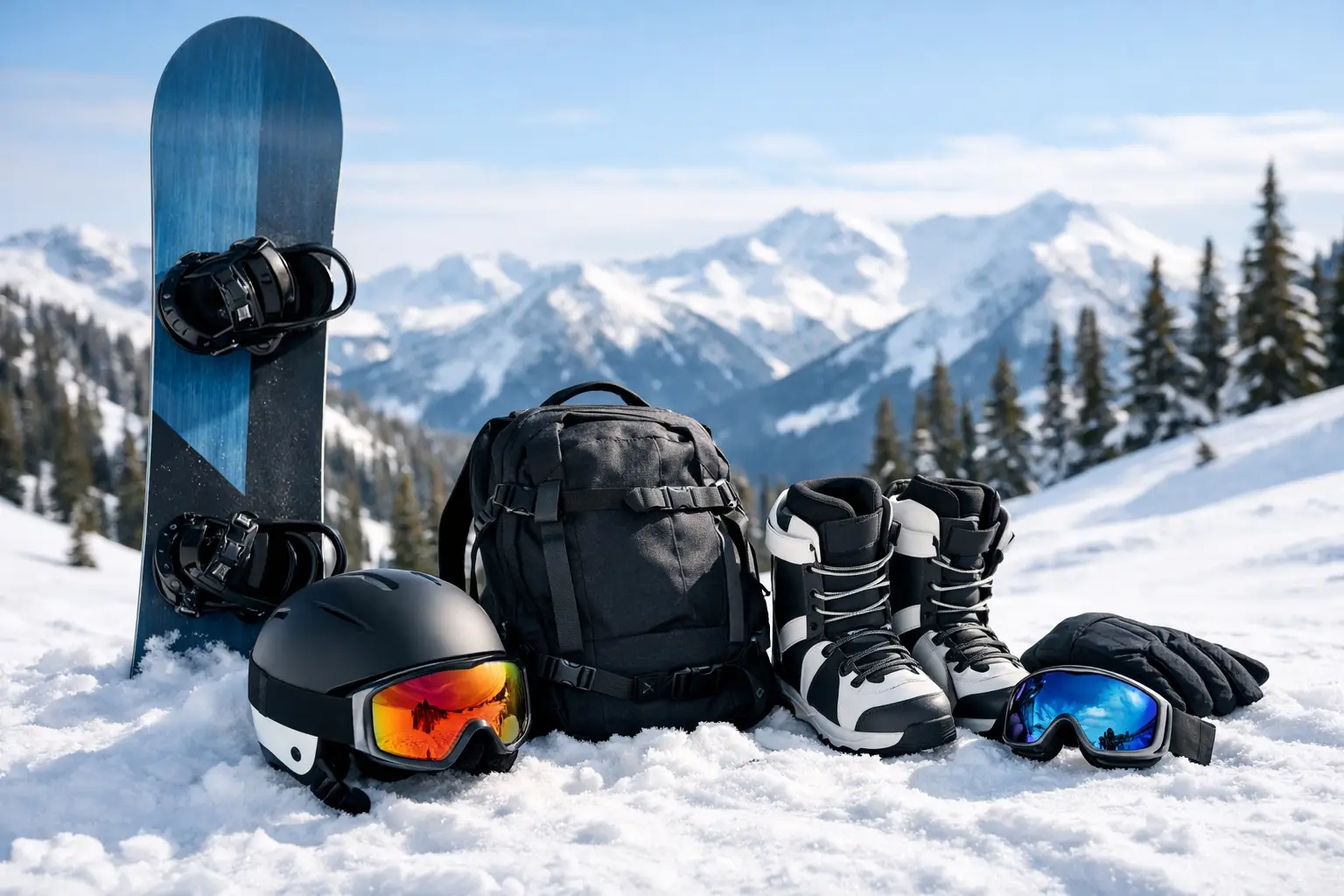
Hiring a board package at the resort and hoping for the best can work, but it is not the easiest way to start snowboarding well. A proper beginner snowboard gear guide is really about avoiding the kit mistakes that make first days harder than they need to be. Cold feet, a board that is too stiff, goggles that fog and a helmet that pinches can turn a good week into a long one.
The good news is that beginners do not need a premium setup. In fact, the opposite is often true. Softer, more forgiving equipment usually helps you progress faster, and knowing what to rent first can save a lot of money while you work out how often you will actually ride.
Beginner snowboard gear guide: what matters most
If you are buying from scratch, start with the items that affect comfort every single run. Boots, outerwear, gloves, goggles and a helmet shape your day far more than owning your own board in week one. For most first-timers, the board, bindings and even boots can be hired, but if you know you are likely to go again, boots are often the first purchase worth making.
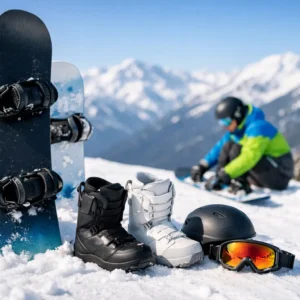
That is because poor-fitting hire boots are one of the most common beginner complaints. If your heel lifts, your toes are crushed or your foot moves around inside the boot, learning edge control becomes much tougher. A good boot should feel snug all around without creating pressure points. Your toes can brush the end when standing upright, but they should pull back slightly when you flex into a riding stance.
A close fit is not the same as a painful fit. Beginners sometimes size up because they want comfort in the shop, then end up with sloppy boots on snow. Snowboard boots pack out with use, so a slightly firm fit at first is normal.
Rent first or buy first?
For a first trip, renting the snowboard and bindings is usually the sensible choice. It lets you test the sport without sinking money into a setup before you know your preferences. It also means the shop can match your board length and binding size to your height, weight and boot size.
There are exceptions. If you plan to ride at an indoor slope or dry slope in the UK before your holiday, or you expect to get several trips in over the next couple of winters, buying boots and helmet early can make sense. Both improve consistency, and both are easy to use at home and abroad.
Where beginners often waste money is buying an advanced board because they think they will grow into it. A stiff, aggressive setup can feel impressive in the shop and miserable on a green or blue run. Early progression usually comes from forgiveness, not firepower.
The snowboard, bindings and boots
Choosing a beginner-friendly board
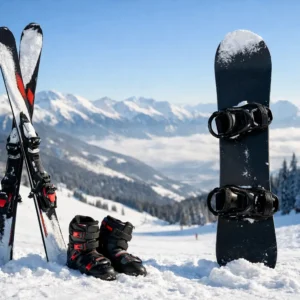
A beginner board should be easy to turn, stable at moderate speed and forgiving when your technique is still developing. In practical terms, that usually means a softer flex and a shape aimed at all-mountain riding. You are not shopping for a specialist powder board or a park deck yet. You want something that can handle nursery slopes, cruisy piste runs and the occasional uneven patch of afternoon snow.
Many beginners get on well with rocker-dominant or hybrid profiles because they are less catchy than a traditional full camber board. That said, profile is only one part of the picture. Plenty of modern all-mountain beginner boards blend camber and rocker in ways that still feel secure underfoot. The right choice depends on how you ride, your confidence and where you spend most of your time.
Length matters too, but not in the old-fashioned chin-height way. Weight is a better starting point than height, and brands publish size charts for a reason. If you are between sizes, beginners often benefit from the slightly shorter option for easier turning, unless they are particularly powerful riders.
Bindings should match the board, not overpower it
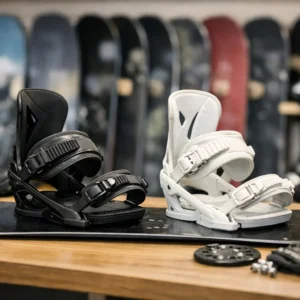
Bindings transfer your movement to the board, so they need to fit your boots properly and suit the board’s flex. For beginners, medium-soft bindings are usually the sweet spot. They provide support without making the board feel twitchy or unforgiving.
Do not get too distracted by technical jargon on straps, highbacks and baseplates at this stage. Secure fit, decent cushioning and straightforward adjustment matter more. If the bindings create hot spots over the top of your feet or need constant fiddling, that is a bigger issue than whether they shave a few grams off the setup.
Boots are the priority purchase
If this beginner snowboard gear guide has one strong buying recommendation, it is this: if you are going to purchase one core item early, make it boots. Good boots improve control, comfort and confidence. They also remove a lot of the uncertainty from rental counters.
Traditional laces, speed laces and dial systems all have their fans. There is no universal winner. Traditional laces can give excellent adjustability, while dial systems are quick and simple with cold hands. The best option is the one that fits your foot shape and can be tightened evenly.
Clothing that keeps you riding longer
Snowboard clothing for beginners should be warm, waterproof enough for long periods sitting on snow and easy to layer. You do not need a fashion-led outfit to get started, but you do need clothing that copes with repeated falls and changing mountain weather.
Start with a proper base layer next to the skin. Avoid cotton, which holds moisture and gets cold quickly. A synthetic or merino base layer works much better. Add a mid-layer if needed, then finish with a waterproof jacket and trousers or bibs.
For beginners, salopettes or bib trousers can be especially useful because they keep snow out when you spend time kneeling, sitting and getting back up. Waterproof ratings and breathability figures can be helpful, but fit and practical comfort matter just as much. If your jacket rides up, your trousers drag or your layers restrict movement, you will notice it all day.
Gloves or mitts should be warm and properly waterproof, not just shower-resistant. Beginners spend more time with hands in the snow, so cheap gloves often fail quickly. Wrist guards can also be worth considering, especially if you are nervous about falls or have had previous wrist trouble.
Helmet, goggles and impact protection
A helmet should be treated as standard kit, not an optional extra. Fit is everything. It should sit level on the head, feel snug without pressure points and stay secure when you move. If you wear goggles, try them together if possible. The gap between helmet and goggles should be minimal, otherwise you can end up with cold exposed skin across the forehead.
Goggles make a much bigger difference than many beginners expect. Flat light, snowfall and bright spring sun all change what you can see on the hill. A lens that works in mixed conditions is a strong all-round choice for a first pair, especially if you only ski or snowboard one week a year. If you are hiring a helmet, buying your own goggles still makes good sense for hygiene, comfort and visibility.
Impact shorts are another item that some beginners swear by. They are not essential, but they can make those early heel-edge falls less punishing. If a sore coccyx is likely to ruin your week, they are worth a look.
What to spend on and what to save on
The smartest beginner setup is usually a mix of rental and ownership. Spend on boots, goggles and decent outerwear if you expect to keep riding. Save on buying a board until you understand whether you prefer mellow piste cruising, park laps, powder days or a bit of everything.
There is no prize for owning a full kit bag too early. Resort rental fleets are better than they used to be, and many shops now carry modern beginner-friendly boards rather than tired old planks. If you are heading to a major resort, reserving equipment in advance can improve your chances of getting a suitable setup.
Second-hand gear can offer value, but only if you know what you are looking at. A lightly used jacket or pair of goggles can be a good buy. Older boots with broken-down liners or an outdated board with questionable edges are less appealing. Safety gear is where caution matters most. If you cannot verify the history and condition of a helmet, walk away.
Fit and comfort beat spec sheets
New riders can get buried in product descriptions very quickly. Flex ratings, edge tech, sole compounds, lens tints, lacing systems – they all matter eventually. But for a first or second trip, fit and comfort should drive most decisions.
A beginner who is warm, dry and comfortable will usually learn faster than one with technically better kit that fits poorly. That is as true on an indoor slope in the UK as it is during a week in the Alps. At Skier & Snowboarder, that is the recurring pattern you hear from instructors, shop fitters and riders who remember their first proper setup.
If possible, try gear on with the layers you will actually wear. Walk around in boots. Fasten the helmet. Put the goggles on. Bend your knees in trousers and jacket. Reach overhead. Squat. Small annoyances in the shop often become major ones on the mountain.
Beginner snowboard gear guide for your first shopping list
For most people, the practical first shopping list is short: helmet, goggles, base layers, gloves or mitts, socks and waterproof outerwear. Add boots if you know snowboarding is likely to stick. Rent the board and bindings until your riding starts to settle into a style and you can tell the difference between what feels easy, what feels stable and what feels fun.
That patience pays off. Buy too early and you risk building a setup around guesswork. Buy with one or two trips behind you and the decisions become far clearer.
Snowboarding has enough of a learning curve without fighting your own equipment. Get the essentials right, rent wisely where it helps, and give yourself the sort of kit that lets you focus on linking turns rather than fixing problems.