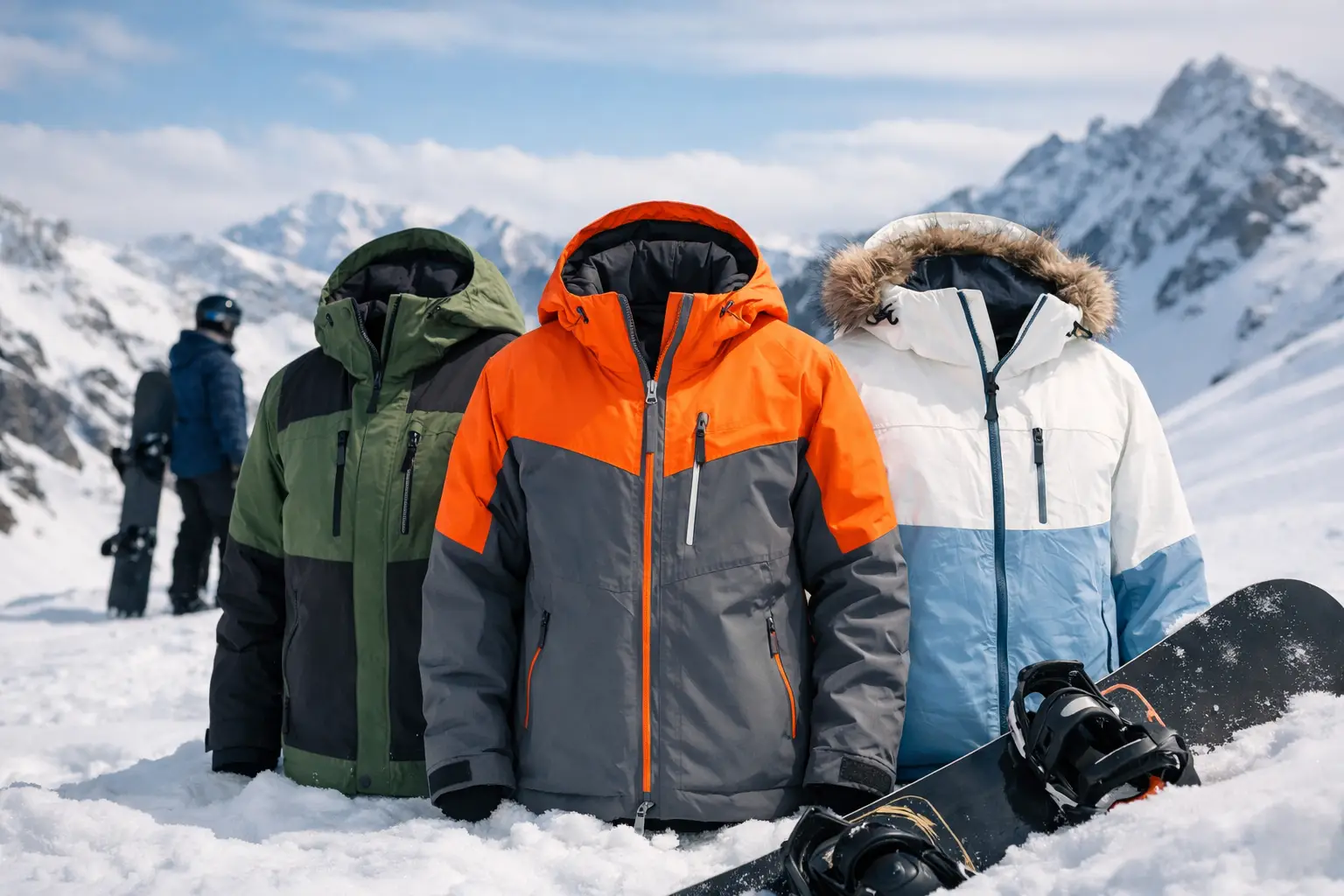
A jacket can make a great week in the mountains feel easy, or turn a decent forecast into a damp, flappy slog by lunchtime. If you’re searching for the best snowboard jackets 2026, the real question is not which logo looks strongest on the lift. It is which jacket matches how, where and how often you ride.
That matters more than ever this season. Outerwear keeps getting more technical, but also more segmented. Some jackets are built for storm days in exposed alpine terrain. Others are aimed at park laps, spring slush or riders who want one shell to cover a week in the Alps and a few sessions at an indoor slope in the UK. The right buy depends on your riding, your layering habits and how much weather abuse you genuinely expect the jacket to handle.
How to choose the best snowboard jackets 2026
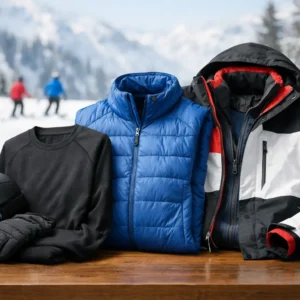
The first thing to get straight is whether you want a shell or an insulated jacket. For many snowboarders, a shell remains the smarter long-term option. It gives you more control over warmth, especially if your season includes cold chairlifts in January, sunny afternoons in March and the occasional wet, windy British day. Add a good mid-layer when temperatures drop and strip it back when they do not.
Insulated jackets still have a place. They suit riders who run cold, newer snowboarders who do not want to think too hard about layering, and anyone booking a midwinter trip where sitting on lifts for long stretches is part of the deal. The trade-off is versatility. A jacket with too much built-in insulation can feel brilliant in a blizzard and stifling in anything milder.
Waterproofing is the next big separator, but headline numbers only tell part of the story. A 20k fabric sounds impressive, and often is, yet poor venting or a badly designed face fabric can still leave you clammy. Equally, a well-made 10k to 15k jacket can be more than enough for many resort riders, especially if your trips are mostly piste, park and fair-weather holidays. If you ride hard in mixed conditions, spend time sitting in snow, or regularly get caught in heavy alpine weather, it is worth stepping up.
Breathability matters just as much for snowboarders because the sport is rarely static. Traverses, side-steps, hiking a few lines in the park, boot-packing to a stash and riding with a pack all generate heat quickly. Underarm vents are still one of the best features on any technical jacket, and they remain oddly underappreciated until the moment you need them.
The fit question matters more than the fabric spec
A technically excellent jacket that restricts movement is still a bad snowboard jacket. Snowboard-specific cuts have improved enormously over the past few seasons, with brands now offering everything from cleaner, more tailored silhouettes to roomier, classic freeride shapes. Neither is automatically better.
If you spend most of your time in the park or favour a relaxed style, a slightly looser cut gives more freedom through the shoulders and room for layering without feeling boxed in. If your riding is more directional and mountain-focused, a trimmer shell can feel less bulky under a pack and less prone to flapping in strong wind. The key is range of motion. Reach forward as if fastening bindings. Twist through the torso. Lift your arms overhead. If the hem rides up badly or the cuffs pull short, move on.
Length matters too. A longer snowboard jacket gives better coverage when sitting on snow and tends to suit storm riding well. A shorter cut can feel less cumbersome and works for riders who dislike excess fabric around the hips. Again, it depends on preference rather than any universal rule.
Features worth paying for, and the ones you can ignore
Not every premium feature earns its keep. A good hood absolutely does. It should fit properly over a helmet, adjust easily with gloves on and move with your head rather than blocking your peripheral vision. In foul weather, that difference becomes obvious very quickly.
A powder skirt is still useful for many riders, though not essential for everyone. If you mainly ride groomers and rarely venture out in fresh snow, you may use it less than expected. For anyone riding powder, tree lines or storm days, it remains a worthwhile extra. Jacket-to-trouser interface systems can also help, but they vary hugely between brands.
Wrist gaiters, lift-pass pockets and media pockets fall into the nice-to-have category rather than the must-have one. Useful, yes. Decisive, not usually. Venting, cuff design, hood performance and zip quality should rank higher. A jacket with brilliant zip pulls and poor weather sealing is still the wrong buy.
Best snowboard jackets 2026 by rider type
For resort riders who want one dependable jacket for a week in the Alps, a well-cut shell in the mid to upper waterproof range is the sweet spot. This is the category that offers the broadest value. You get enough protection for wind, snow and the occasional wet afternoon without paying top-end money for backcountry-specific detailing you may never use.
For freeriders and more advanced all-mountain snowboarders, this season’s strongest jackets are the ones balancing storm protection with mobility. Three-layer shells continue to lead here, especially for riders who carry a pack, tour occasionally or prefer fewer compromises in rough weather. They are not always the softest or quietest option, but they deliver consistency when conditions turn.
For park riders, lighter shells with good venting and a more relaxed fit still make most sense. You do not always need the highest waterproof rating, particularly if your season leans towards dry indoor sessions, spring trips and urban-inspired riding. Comfort and movement often trump maximum protection in that lane.
For newer snowboarders, there is no shame in choosing simplicity. A jacket that is warm, weather-resistant and easy to wear beats a highly technical shell paired with a layering system you have not yet figured out. The best choice is often the jacket that helps you forget about your kit and concentrate on your riding.
What is changing in snowboard outerwear for 2026
This season, the market is continuing in three clear directions. First, recycled face fabrics and lower-impact waterproof membranes are no longer niche. Many leading brands now treat them as standard rather than specialist. That is good news, although sustainability claims still deserve a critical look. Fabric chemistry, repairability and product lifespan matter more than a green label attached to a disposable garment.
Second, there is more crossover styling than before. Some of the best-performing jackets for 2026 look less overtly technical off the hill, with cleaner lines and subtler branding. That suits riders who want something understated, though there is always a risk that style-led designs trim back genuinely useful mountain features.
Third, brands are getting better at range clarity. Instead of one collection trying to do everything, more outerwear lines are now clearly aimed at specific uses – resort, freeride, touring, park or insulated everyday mountain wear. That makes shopping easier if you are honest about what your season actually looks like.
Price, value and where to spend a bit more
A higher price does not always equal a better jacket for your needs. Past a certain point, you are often paying for marginal gains in fabric performance, lower weight or more specialist construction. Those things are worth it for some riders and unnecessary for others.
If your budget is limited, spend on weather protection, cut and durability first. A dependable shell with solid waterproofing and sensible venting will outlast trend-driven design details. If you can stretch further, the areas where premium jackets justify themselves are usually fabric feel, long-term waterproof performance, improved articulation and lower overall bulk.
For UK riders, value should also include realism. If your snowboarding consists of one main alpine holiday, a handful of dry-slope or indoor sessions and maybe a spring trip, you probably do not need the most expedition-ready jacket on the market. Buy for your actual season, not an imagined one.
Try before you commit if you can
Fit varies wildly between brands, and even between collections from the same brand. One company’s relaxed cut can feel quite neat, while another’s standard fit borders on oversized. If you can try jackets on with the mid-layer you actually wear, do it. Bend, crouch, zip it fully, put the hood up and check pocket placement with gloves on.
That practical side has always mattered more than marketing copy. At Skier & Snowboarder, we have long felt that the best kit choices are the ones grounded in how people really use them on snow, not just how they look on a product page.
The best snowboard jacket for 2026 is the one that disappears once you start riding – keeping out weather, dumping heat when needed and moving naturally from first lift to last run, without asking for your attention every five minutes.