The difference between a brilliant ski trip and an expensive headache is usually decided long before you click book. If you are wondering how to plan ski holiday properly, the real job is not just choosing a pretty resort – it is matching destination, timing, budget and snow expectations to the people actually travelling.
That sounds obvious, but it is where plenty of trips go wrong. A group books a high-profile resort without checking transfer times, assumes everyone is happy in a catered chalet, then finds half the party wants nightlife while the other half wants first lifts and an early night. Good ski holidays are built around fit, not hype.
How to plan ski holiday around who is going
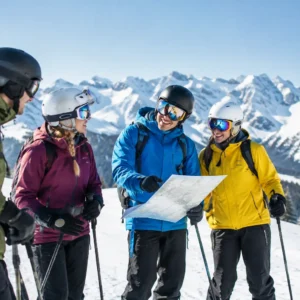
Start with the group, not the map. A ski holiday for two capable skiers with flexible dates looks very different from a family half-term trip, a mixed snowboard group, or a club week with varying abilities. Before comparing resorts, get clear on the basics: ability level, appetite for après, budget tolerance, and how much non-skiing matters.
Beginners usually benefit from convenience over prestige. A resort with a proper nursery area, short transfers, good English-speaking ski schools and easy access to lifts will often beat a sprawling domain that looks better on paper. Intermediates tend to want mileage and variety, while advanced skiers and snowboarders may place far more value on terrain character, off-piste opportunities and lift efficiency.
This is also the moment to be honest about fitness and confidence. A week at altitude in a large, demanding area can be superb if everyone is ready for it. If not, a smaller resort with a relaxed pace may deliver far more actual skiing.
Choose the right resort, not just the famous one
Big names are big names for a reason, but they are not automatically the best answer. When choosing a resort, think in layers.
First, consider snow reliability. If your dates are early season or late season, altitude matters. Resorts with higher slopes or glacier access tend to offer more security, though not absolute guarantees. In peak winter, snow reliability broadens, and lower resorts can become far more appealing if they offer charm, value and easier logistics.
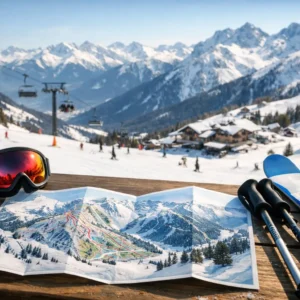
Second, look at terrain layout. Some resorts suit progressing skiers because green and blue runs are genuinely usable and linked sensibly. Others can be frustrating for novices, with long drag lifts, awkward cat tracks or red runs masquerading as holiday-friendly pistes. Snowboarders in particular should look closely at flat sections and lift mix.
Third, think beyond the piste map. Transfer time from the airport can shape the trip more than people expect. A two-hour coach run after a dawn flight is manageable; four hours with children, ski bags and weather delays feels rather different. If you are only skiing for a long weekend, short travel time becomes even more important.
Timing matters more than most people think
The best week to travel depends on what you value most. If budget is the priority, avoid school holidays if you can. Prices for flights, accommodation and lift passes rise sharply at Christmas, New Year, February half-term and Easter. January often offers a sweet spot for value and quieter slopes, especially after the New Year rush.
If atmosphere matters, peak weeks can be fun, but they come with queues, crowded pistes and less flexibility. If snow conditions are your main concern, late January through early March is often a strong window, though weather patterns vary and no resort can promise perfection.
Spring skiing deserves more respect than it gets. March and April can bring excellent coverage at higher resorts, longer days and a more relaxed mood. The trade-off is that lower slopes may become patchy or heavy in the afternoon, so resort choice becomes more important.
Build the budget properly
One of the most common planning mistakes is focusing on the headline holiday price and underestimating everything around it. Flights and accommodation are only the start.
A realistic ski budget should include lift passes, equipment hire if needed, ski school, airport transfers, lunches on the mountain, insurance, baggage charges and any extras such as lockers, parking or spa access. If you are driving, factor in fuel, tolls, winter tyres where required, and overnight stops if the journey warrants one.
Catered chalets can look expensive until you compare them with paying restaurant prices every night in a top resort. Equally, self-catering can save money if your group is organised and happy to shop, but it is not always the bargain people assume once you add time, transport and resort supermarket prices.
It is also worth deciding where to spend and where to save. Paying more for ski-in, ski-out accommodation can be worth every penny for families, beginners and anyone who hates carrying kit. On the other hand, a slightly longer walk or bus ride may free up budget for better lessons, which often improves the holiday far more.
Book the essentials in the right order
Once you have agreed resort, dates and budget, the smartest sequence is simple. Lock in transport and accommodation first, because those shape everything else. Then book lift passes, lessons and equipment hire where advance rates make sense.
If you are travelling in school holidays or with children, leaving ski school to chance is asking for trouble. The better schools and preferred time slots go early. The same applies to childcare and private instructors in popular resorts.
Equipment hire is more flexible, but booking ahead still helps with both price and convenience. If you know you want premium skis, snowboard upgrades or boots from a particular shop, reserve them. If you own your boots, bring them – fit matters more than almost any hire upgrade.
Get the travel details right
Flights are only one piece of the journey. Check baggage rules carefully, especially for ski carriage and boot bags, because airline policies vary and charges add up fast. If you are taking your own kit, compare the total cost against resort hire before assuming bringing everything is better value.
For driving holidays, plan for winter conditions rather than hoping for the best. Mountain roads can change quickly, and legal requirements differ across countries. Snow chains, winter tyres, vignettes and local regulations should be checked well in advance.
If you are using a transfer company, match arrival times sensibly. Saving a small amount on a flight that lands at an awkward hour can turn into a long wait in the airport or a very late resort arrival.
Insurance, documents and the boring bits that save trips
This is the least glamorous part of planning and one of the most important. Winter sports insurance needs to cover skiing or snowboarding specifically, including off-piste if that is relevant to your plans. Medical cover, piste rescue and cancellation protection all matter.
Check passport validity early, not the week before departure. If you are hiring a car, verify driving licence requirements and whether a credit card is needed for the deposit. Families should also check school holiday approvals, childcare paperwork and any slope-side equipment needed for younger children.
A little admin now prevents a great deal of queueing, stress and resort-side improvisation later.
Plan your kit with the week in mind
The right clothing depends on when and where you are travelling. Midwinter in a high alpine resort calls for different layering from a sunny March trip. Do not overpack bulky items and neglect the basics. Good gloves, proper socks, decent goggles for flat light and a helmet that fits are worth more than a fashionable jacket with nowhere near enough waterproofing.
If you ski once a year, hiring skis or a snowboard usually makes sense. If you go regularly, owning boots can transform comfort and control. More experienced riders may prefer to take their own skis or board for familiarity, but the calculation changes if airline baggage costs are high or the trip includes a lot of travel.
Leave room for what makes the trip good
A well-planned ski holiday is not scheduled to the minute. Once the essentials are covered, leave some flexibility. You might want a rest afternoon, a long mountain lunch, an off-snow activity, or the freedom to follow the best snow across the area.
That is especially true for mixed groups. Not everyone wants first lift every day, and not everyone wants après that becomes a midnight finish. The best trips usually have a clear base plan with enough freedom for people to enjoy the week their own way.
For many UK skiers and snowboarders, that balance is the whole point. The mountains reward preparation, but they also reward a bit of judgement once you get there. Plan well, book early where it counts, and make choices that suit the people in your group rather than the resort with the loudest reputation. That is usually how the really good weeks happen.