The expensive part of a ski trip is rarely the item you forget to price. It is the collection of small, perfectly reasonable choices made after booking: the last-minute baggage upgrade, the piste-side lunch, the extra day on the pass, the taxi when the transfer timetable stops working. A sensible ski holiday budgeting guide does not mean stripping the enjoyment out of a week in the mountains. It means deciding where the money will make the biggest difference to your time on snow.
For UK skiers and snowboarders, the best value is not always the headline-cheapest package. A low accommodation price can be cancelled out by a long daily bus journey, costly hire, or a resort where beginners and mixed-ability groups have limited terrain. Start with the sort of holiday you actually want, then build the budget around it.
Start with a realistic all-in figure
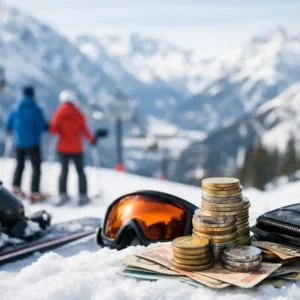
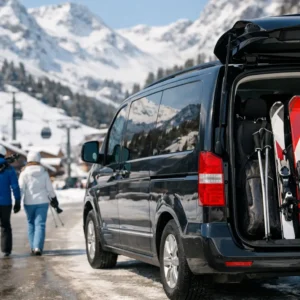
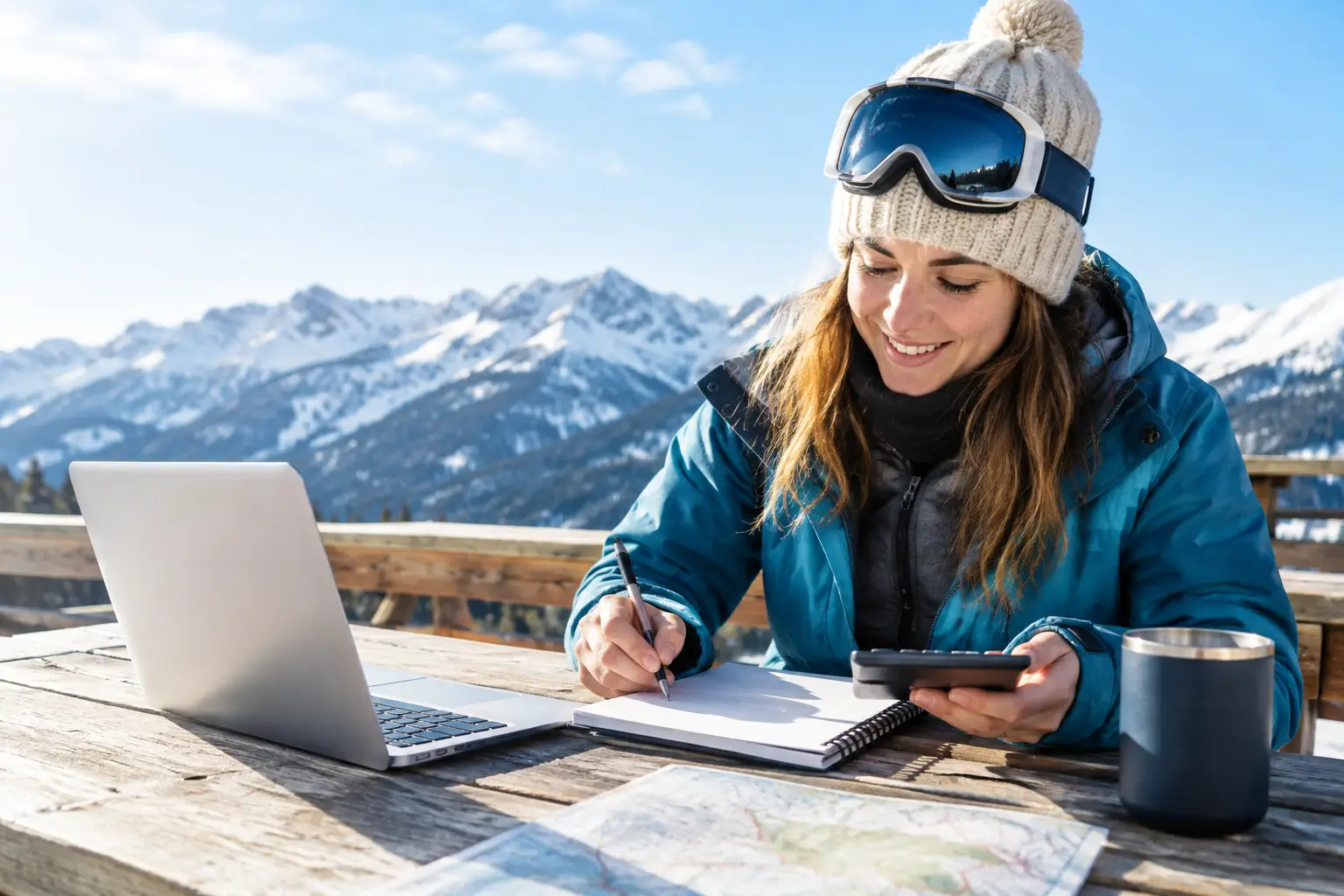
Treat the advertised holiday price as the opening number, not the final one. Build your estimate per person and include every cost from leaving home to returning to it: transport to the airport or ferry, flights or rail, transfers, accommodation, lift pass, equipment, lessons, food, insurance and spending money. If you are driving, add fuel, tolls, parking, motorway vignettes where required and winter equipment for the car.
It helps to separate costs into fixed and flexible spending. Fixed costs are booked in advance and generally hard to change. Flexible spending includes lunches, après-ski, ski lockers, local buses and the inevitable hot chocolate stop. That distinction gives you a clearer view of where you can save without compromising the core trip.
Leave a contingency of around 10 to 15 per cent, particularly for an independent holiday. Flight schedule changes, excess luggage, a transfer missed by minutes, or a restaurant bill shared with friends can quickly disturb a budget that has no breathing room.
Choose dates before choosing a resort
School holidays, Christmas, New Year and the February half-term period are premium weeks for a reason: demand is high and families need to travel then. If you have flexibility, January after the New Year rush and March outside school holiday dates often offer a better balance of price, snow reliability and quieter slopes. Early April can work brilliantly at high-altitude resorts, but it is a choice that needs care if lower slopes and village skiing matter to you.
Do not assume a shorter trip is automatically better value. A three-night break can carry much of the same airport, transfer and equipment-hire cost as a full week. Conversely, a long weekend may be exactly right if it avoids a week of peak-season pricing and gives experienced riders three strong days in a large linked area.
Snowboarders should also look beyond the calendar. A cheaper low resort in a lean snow period may mean long traverses, patchy home runs and a fair amount of walking. Paying more for altitude, a north-facing sector or an area with dependable uplift can be money well spent.
Make the destination fit the group
The largest ski domains are not always the most economical choice. Their extensive lift networks can justify a higher pass price for strong skiers and snowboarders who will use them, especially on a week-long trip. But a novice, a family with young children, or a group happy lapping a compact local area may get more value from a smaller resort with good progression terrain and a lower-priced pass.
Look closely at the practical geography. Accommodation labelled as being in a major ski area may still involve a bus, a gondola or a drive before the first run. Staying close to the lift can cost more upfront, but it saves time, makes lunch at the flat possible and reduces the temptation to spend heavily on cafés simply because returning home is awkward.
Catering style matters too. Self-catering is not automatically cheapest if everyone arrives late, shops only at resort convenience stores and eats out most evenings. Half-board can be excellent value in a traditional Alpine hotel, particularly for a group that wants a cooked breakfast and no nightly debate about dinner. Compare like with like before deciding.
Budget lift passes with your actual skiing in mind
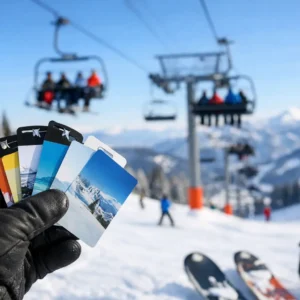
A lift pass is often one of the biggest single costs after travel and lodging, so it deserves more thought than simply buying the broadest area available. Check whether a local pass covers enough terrain for your ability and whether upgrades can be bought later. Some resorts offer beginner zones, pedestrian tickets, family arrangements or reduced prices for afternoon arrival and departure days.
A six-day pass for a seven-night holiday is often sensible. You may lose part of the first day to travel, and one rest morning, spa session or bad-weather window does not mean the trip has gone wrong. On the other hand, do not save a small amount by limiting an adventurous group to a pass that excludes the runs they have travelled to ski.
Book only when the terms make sense. Advance purchase can offer useful savings, but flexibility has value where snow conditions, travel certainty or injury risk are concerns. Read the refund and insurance conditions rather than relying on a headline discount.
Hire, bring or buy equipment deliberately
For occasional participants, pre-booked hire remains a practical option, particularly when travelling with children or changing resorts. Reserve online early where possible, specify ability honestly and check what is included. Helmet hire, premium skis, damage waivers and collection location can materially change the final bill.
Regular skiers and snowboarders may prefer to travel with their own boots, even when hiring skis or a board in resort. Familiar boots can transform comfort and control, but airline sports-bag charges may erase the saving from taking a full set-up. Measure the total door-to-door cost, not just the hire-shop rate.
Buying gear solely because it appears cheaper than a week’s hire needs caution. A properly fitted boot is a strong long-term investment for committed riders; a bargain jacket or board purchased in a rush may not be. If you do own kit, service skis, boards and bindings before departure. A basic tune at home is usually less expensive and less time-consuming than sorting it out on the first morning in resort.
Keep mountain spending under control without eating badly
Piste restaurants are part of the mountain experience, and there is no prize for eating a crushed cereal bar in a blizzard. The trick is to choose the moments. Pack snacks, carry water and make a proper breakfast part of the plan, then reserve a mountain lunch for the day with the view, the meeting point or the famous dish worth paying for.
For self-caterers, one substantial supermarket shop near arrival can make a marked difference. Split staples among the group, but avoid overbuying food that will be left behind on departure day. A few easy suppers, packed lunches and après-ski beers at the flat can fund a memorable meal out later in the week.
Alcohol deserves its own line in the budget. Resort bars vary wildly in price, and rounds are where spending becomes vague. Agree a rough approach before the first après session, especially in larger groups. Nobody needs a spreadsheet at the bar, but clarity prevents an awkward final-night reckoning.
Protect the money already spent
Travel insurance for winter sports should explicitly cover skiing or snowboarding, piste rescue, medical treatment and repatriation. Check the excess, the conditions around off-piste skiing, and whether hired equipment is protected. A standard policy that excludes the activity is not a saving.
If travelling in Europe, take a valid GHIC where applicable, but do not mistake it for insurance. It does not cover every cost, nor does it replace private travel cover or bring you home if you need specialist assistance. Driving groups should also confirm breakdown cover, winter tyres or chains required by route and country, and the rules for carrying them.
Finally, budget for lessons even if you have skied for years. A private session, technique clinic or guided introduction to a new area can prevent wasted days and reveal terrain you would otherwise miss. For beginners, good instruction is one of the few holiday costs that directly improves every run that follows.
A better way to save
The strongest ski holidays are usually built around one or two priorities. For one group, that may be a high resort with reliable snow and a serious lift network. For another, it is a comfortable chalet near the nursery slopes, or a rail journey that avoids airport stress. Save on the elements that do not change your experience, but spend confidently on the ones that get you on snow more often, in better spirits and with enough energy for the last lift.
A budget should leave room for the small mountain moments you will remember: the bluebird lunch, the extra run before home, the well-earned drink after a day that went exactly to plan. Price those in from the start, and the holiday is far more likely to feel like value rather than compromise.