Canada’s 22/23 ski season got underway on Thursday, 3 November, after the west of the country – particularly Alberta and inland BC – saw heavy snowfall and low temperatures for much of the past fortnight.
Banff’s ski area Sunshine Village moved its planned opening date forward by a week from 10 November to Thursday, 3 November.
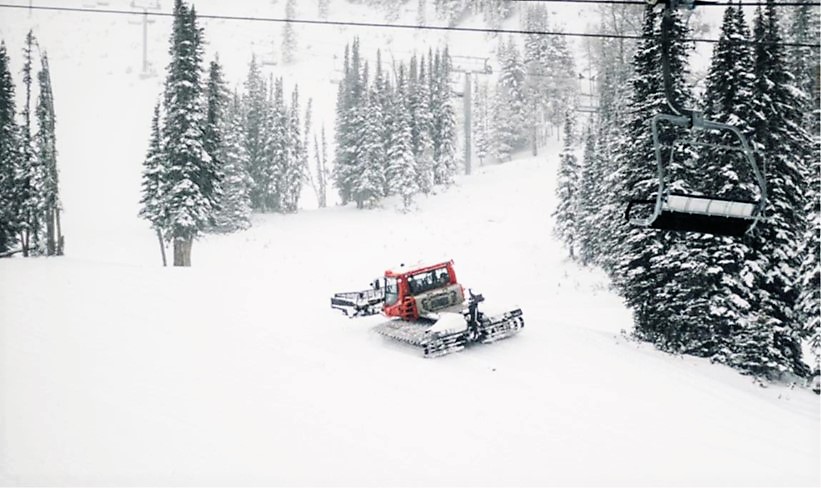 The Strawberry Express lift is running initially and a small terrain park has been set up on Strawberry.
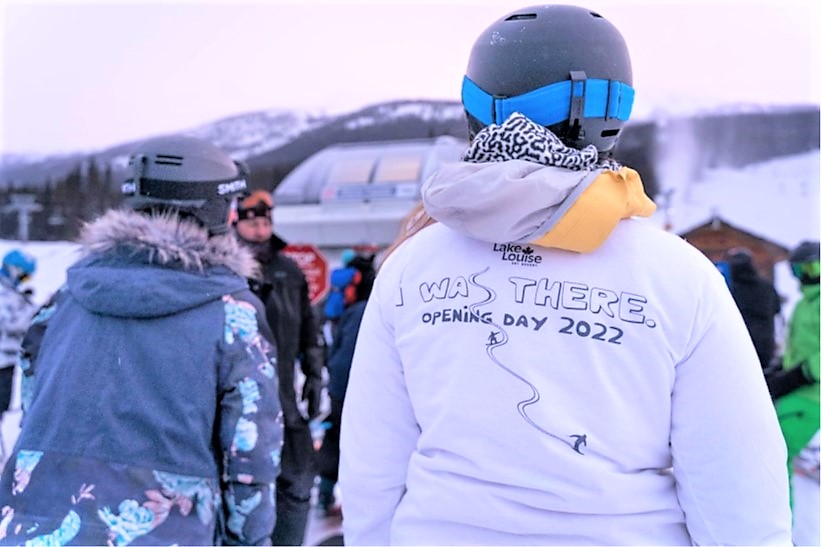
Sunshine was swifly followed by Lake Louise which has opened after a big dump of fresh snow falling within 14 days. This new snow, along with the ski resort’s snowmaking system, has created good conditions for upcoming events, such as the Lake Louise Audi FIS Ski World Cup, and the Men’s and Women’s World Cup Downhill and Super G races scheduled for 25-27 November and 2-4 December.
With the cancellation of the planned new Swiss/Italian cross-border season opening races in Zermatt-Cervinia, Lake Louise is back in its old position of hosting the World Cup speed Ski season opening races.
Some recent consistent, heavy snowfall enabled Lake Louise Ski Resort to open the longest run to date in the Canadian Rockies from the top of Glacier Chair. This run (which consists of three named runs) was the perfect green/blue warm-up for skiers and snowboarders to fire up their muscles and practice their first few turns of the season.
As of 1 October, 2022, all Canadian Covid restrictions have lifted.