Book the wrong resort and even a good snow week can feel like hard work. Too much traversing for a snowboard crew, too little beginner terrain for nervous first-timers, or a pretty village with limited lift infrastructure can all turn a long-planned trip into a compromise. If you are wondering how to choose ski resort options that genuinely fit your group, the answer is less about chasing famous names and more about matching terrain, logistics and atmosphere to the way you actually ride.
For UK skiers and snowboarders, that usually starts with honesty. Not brochure honesty, where everyone is an improving intermediate, but real honesty. The best resort for a strong skier clocking vertical all day is rarely the best one for a family with young children, and neither may suit a mixed snowboard group that values lively après and easy transfers over endless piste mileage. A smart choice is the one that gives your holiday the fewest friction points.
How to choose ski resort by ability level
Ability is still the first filter, but it needs a bit more nuance than green, blue, red and black percentages. Resorts label pistes differently, grooming standards vary, and one area’s friendly red can feel like another area’s serious step up.
If you are a beginner, look beyond the claim of having a nursery slope. What matters is progression. A good beginner resort has a calm learning area, a reliable ski school, then genuinely easy runs higher up the mountain so the first full days on snow feel exciting rather than intimidating. Resorts with broad, mellow blues and straightforward lift systems tend to work best. Long drag lifts, busy choke points and steep run-outs can make learning harder than it needs to be.
Intermediates should focus on the quality of cruising terrain. This is where many holidays are won or lost. A piste map can look enormous, yet much of the linked area may be made up of cat tracks, repetitive descents or runs that funnel everyone back to the same lifts. The sweet spot for most intermediates is a resort with varied blue and red terrain, enough altitude to hold snow well, and a layout that lets you explore without spending half the day navigating connections.
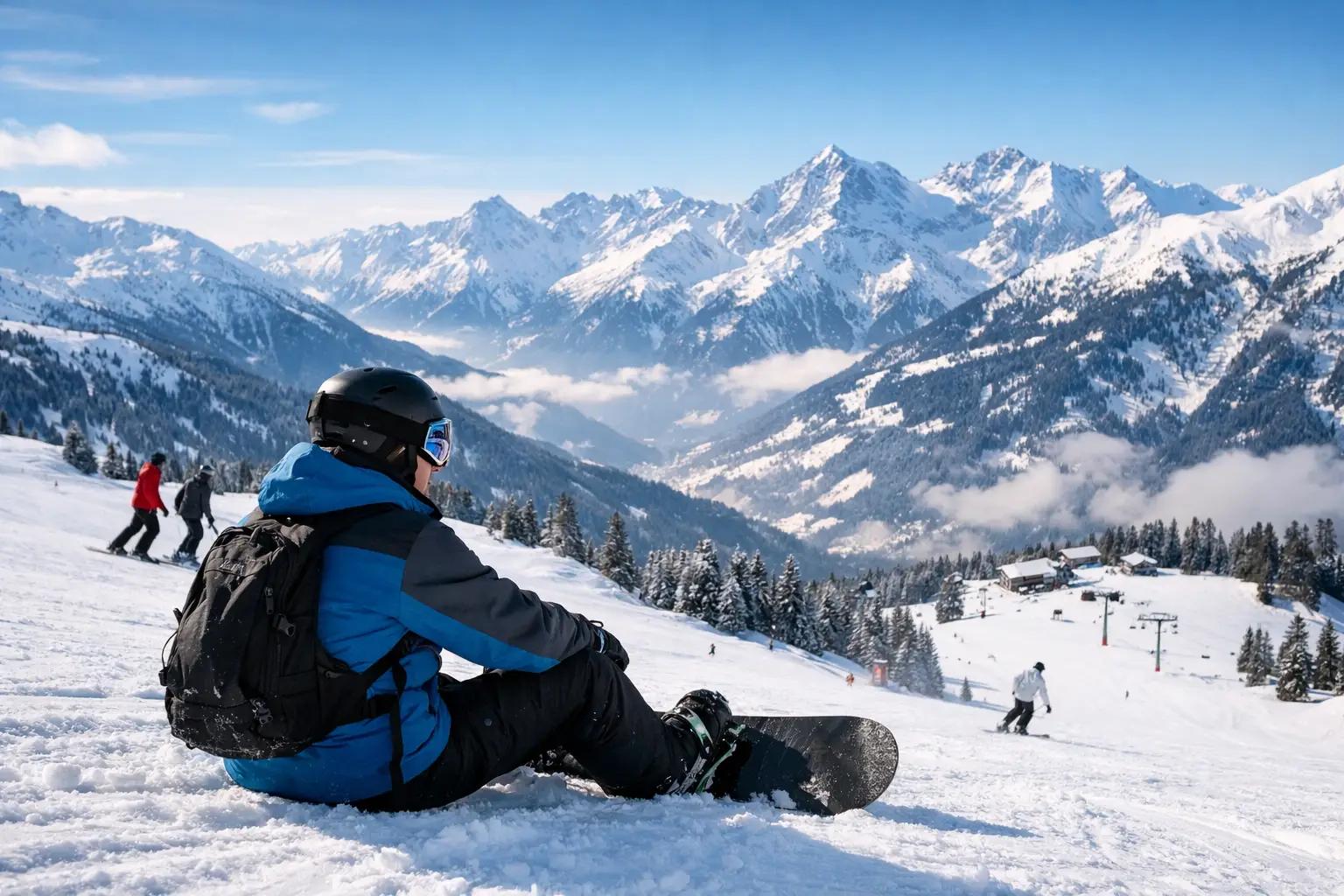
Advanced skiers and snowboarders need to look at what kind of challenge they actually want. Some want lift-served steep pistes and fast vertical. Others are after bumps, trees, sidecountry or proper off-piste terrain with guiding options. A resort can be famous yet still feel limited if your interests do not match its strengths. Snowboarders should also pay attention to flat sections and long traverses, especially in older linked domains where keeping speed becomes a daily chore.
Think about the whole group, not just yourself
Most people do not choose a resort for solo riding. They choose for couples, families, clubs and friendship groups, and that changes the calculation. A resort that flatters one strong rider but leaves everyone else struggling is seldom a great call.
Mixed-ability groups benefit from resorts where different standards can share the mountain and still meet easily for lunch or après. Good lift placement matters here. So does village layout. A compact base area with sensible meeting points is worth more than people often realise, especially when children, ski school drop-offs or non-skiers are involved.
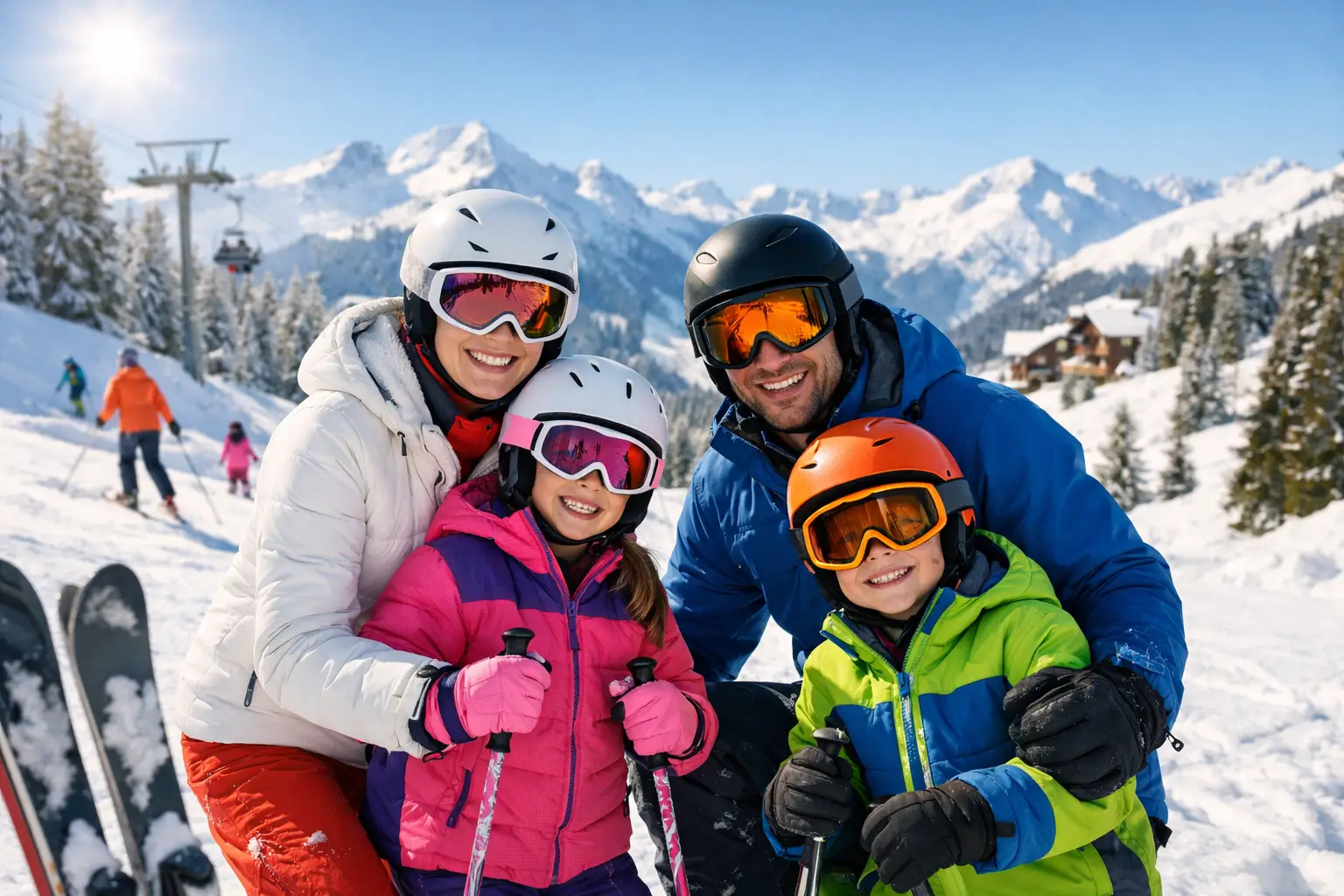
Families should check childcare, beginner meeting areas and how easy it is to move around on foot. Staying close to the lifts can save both money and patience in the long run. For younger adults or groups of friends, nightlife may matter, but so can practical details like whether accommodation is spread out, whether the bus system is reliable and whether getting home after dinner means a steep icy walk in ski boots.
Snow reliability matters, but so does timing
A common mistake is treating every resort as if it skis the same from December to April. It does not. Snow reliability depends on altitude, aspect, grooming, local weather patterns and snowmaking coverage. Choosing the right resort often means choosing the right resort for your travel week.
If you are travelling early or late season, higher resorts with extensive snowmaking usually offer a safer bet. That does not mean lower villages are always poor choices, but they come with more risk, especially in mild spells. Midwinter can open up more options, although northerly aspects still tend to preserve better conditions.
It is worth separating scenic charm from snow security. Some low, beautiful villages are wonderful in peak winter and less convincing at the edges of the season. If your dates are fixed by school holidays or work, build your shortlist around conditions first and postcard looks second.
Budget is more than the headline package price
When people ask how to choose ski resort sensibly, budget often sits behind the question. Yet comparing package prices alone can be misleading. One resort may look cheaper until you factor in lift passes, airport transfers, ski hire, mountain lunches and the cost of staying far from the lifts.
Value comes from what your money buys on the mountain. A slightly pricier resort with efficient lifts, a bigger reliable area and easy access can deliver far better skiing than a bargain week spent queueing, bussing and paying extra for every convenience. Equally, not every famous name justifies its premium. If you care more about mileage and snow than luxury shopping streets, there are plenty of less fashionable resorts that outperform better-known neighbours.
For UK travellers, transfer time deserves special attention. A cheap deal can lose its shine after an awkward airport arrival and a three-hour coach journey. If you are only away for a short week, an easy transfer often makes a bigger difference than a marginal saving.
Village style, access and atmosphere
Resorts are not interchangeable once the lifts shut. Some are traditional mountain villages with character and a slower rhythm. Others are purpose-built, practical and unapologetically geared towards skiing convenience. Neither is automatically better.
If your ideal trip includes good food, a walkable centre and a sense of local mountain culture, choose accordingly. If your priority is clicking in metres from the door and maximising ski time, a more functional resort may suit you better. The right answer depends on what you want your evenings and non-ski hours to feel like.
Atmosphere matters on snow too. Some places attract sporty, first-lift skiers. Others lean social and relaxed. Some are family-focused, some have a stronger freestyle scene, and some cater quietly but very well to older, experienced skiers who want good terrain without fanfare. This is where independent winter sports coverage still has real value, because the mood of a resort rarely comes across clearly in a brochure.
Look closely at lift systems and terrain flow
A modern lift network can transform a resort, while an awkward one can make a large ski area feel smaller than it is. Fast gondolas and chairs reduce queues and fatigue, but terrain flow is just as important. Can you move around the mountain naturally, or does every route force you through the same pinch points?
This matters particularly in peak weeks. Half-term crowds expose weak infrastructure quickly. Beginners will feel it in congested base areas, while stronger riders will notice if every good sector becomes a queue by mid-morning.
Terrain flow also shapes how much variety you genuinely ski in a week. A well-designed resort makes exploration easy and enjoyable. A poorly linked one leaves you repeating the same descents because reaching the next valley takes too much effort.
Ski schools, guiding and extras can shape the trip
For beginners and improving intermediates, ski school quality is often more important than resort size. A friendly, well-organised school with good English-speaking instructors can make an entire holiday. Parents should also check lesson meeting points and whether children spend their day in practical terrain or endless lift queues.
For stronger skiers and snowboarders, access to mountain guides, off-piste instruction, touring and freestyle coaching can add far more value than another hundred kilometres of piste on paper. Think about the experience you want to build, not just the lift pass you want to buy.
A practical way to narrow the shortlist
Start with your travel dates, your true ability mix and your budget ceiling. Then strip out resorts that do not fit those three factors. From there, compare snow reliability, transfer ease, terrain style and village atmosphere. By the time you are choosing between three realistic options rather than thirty famous names, the right resort usually becomes obvious.
It also helps to ask a simple question: what would ruin this trip? For some groups it is poor beginner terrain. For others it is long transfers, weak nightlife, limited off-piste or unreliable late-season snow. Once you identify the deal-breaker, choosing gets easier.
The best ski holiday is rarely the one with the biggest trail map or the loudest reputation. It is the resort that fits your level, your group and your week so well that everything clicks into place from the first lift up.
Related Posts:
Categories: Resort News & Reports