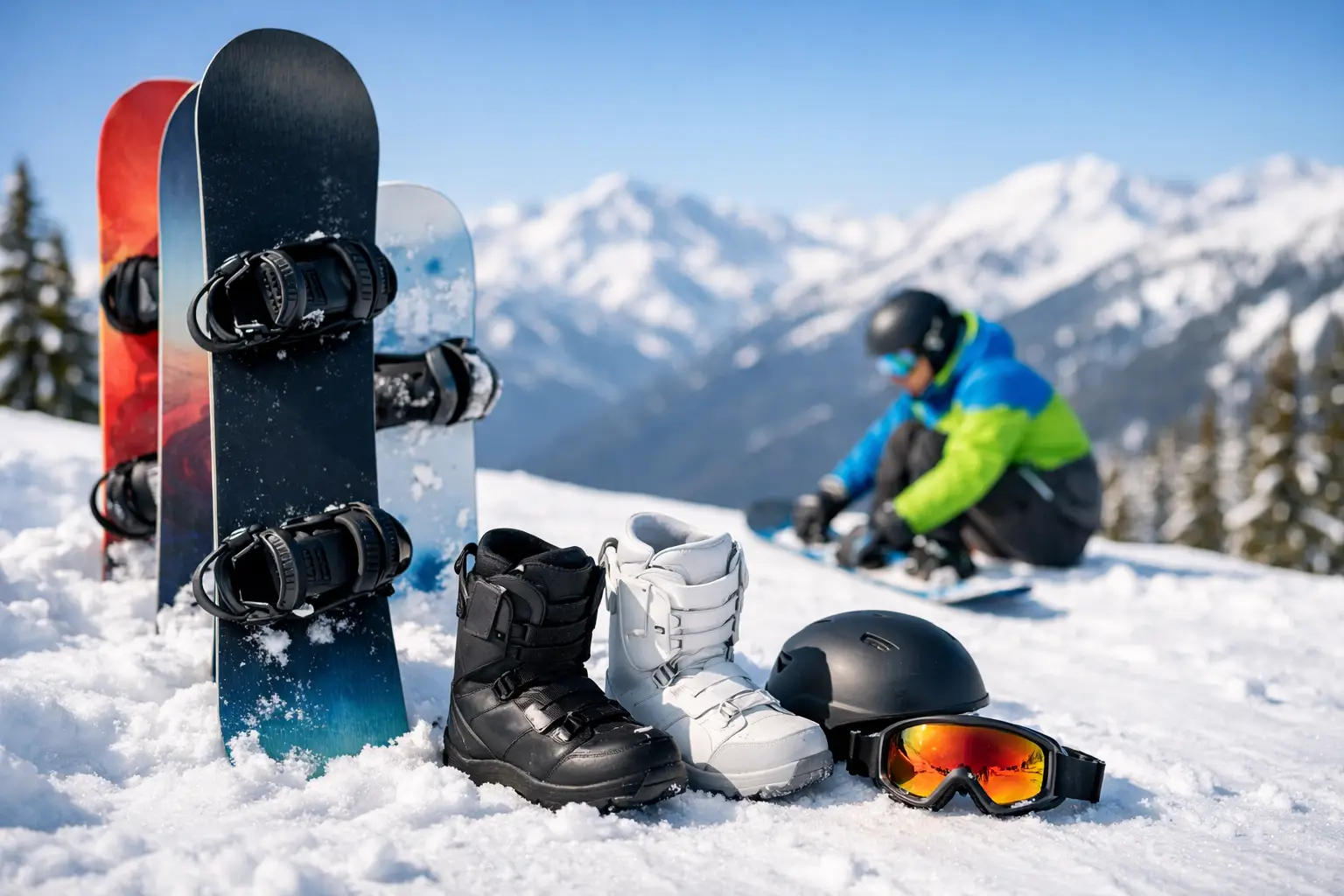
The wrong first snowboard can make a beginner feel clumsy for reasons that have nothing to do with talent. If you are trying to find the best snowboard for beginners, the real job is not chasing the most expensive model or the board with the loudest marketing. It is choosing something forgiving enough to build confidence, but stable enough that you will not outgrow it after a couple of weekends.
For most new riders in the UK, that means looking past flashy graphics and focusing on how a board behaves on piste, in chopped-up afternoon snow, and during those inevitable heel-edge battles on the nursery slope. A good beginner board helps you learn edge control, linking turns and basic carving without punishing every mistake.
What makes the best snowboard for beginners?
Beginners usually do better on boards with a softer flex, a slightly directional or true twin shape, and a profile that reduces the chances of catching an edge. Those three factors matter more than brand loyalty.
A soft to medium-soft flex is often the safest starting point. Stiff boards can feel precise and powerful under an advanced rider, but for someone still learning to pressure the edge properly, they can feel unforgiving and tiring. Softer boards are easier to twist, easier to steer at lower speeds, and generally more reassuring when technique is still developing.
Shape matters too. A true twin is symmetrical and rides the same both ways, which suits beginners who want a balanced feel and the option to start riding switch later on. A directional twin can be even more useful for all-mountain progression because it keeps some of that easy handling while offering slightly better stability going forwards, which is how most new riders spend almost all of their time.
Then there is the profile – the way the board curves between the contact points. Traditional camber still has its place, but many beginner-friendly boards now use rocker, flat-to-rocker, or hybrid profiles. These tend to feel less catchy and more forgiving. That does not mean camber is bad for a novice, only that full camber can ask more of your timing and edge control from day one.
Best snowboard for beginners: the features worth prioritising
If you are standing in a shop or comparing specs online, a few details are genuinely worth your attention. Soft flex is one. A forgiving profile is another. After that, think about width, sidecut and intended terrain.
Board width is often overlooked. If your boots are too large for the waist width, your toes or heels can drag in the snow and make turns awkward. If the board is too wide, edge changes can feel sluggish. Riders with larger feet may need a wide version even at beginner level, and there is no point forcing yourself onto a standard width board if your boot size says otherwise.
Sidecut, the radius built into the edges, affects how easily the board turns. Many beginner boards are designed to initiate turns without much effort, which helps enormously in the early days. You do not need to obsess over the numbers, but you do want a board marketed for progression rather than aggressive carving or high-speed freeriding.
Terrain is the final piece. A first board for UK indoor slopes and occasional Alpine holidays may differ slightly from one intended for full seasons in the mountains. Most new riders are best served by an all-mountain board because it copes with mixed conditions and does not lock you into one style too early.
Choosing the right size
Sizing causes more confusion than it should. Height charts can be useful as a rough guide, but weight is usually more important. Snowboards are designed to work within a rider weight range, and that has a direct impact on flex, stability and control.
If you pick a board that is too long for your weight and ability, it can feel harder to manoeuvre, especially at slow speeds. Too short, and it may become twitchy once you start riding with more confidence. For most beginners, sitting near the middle of the recommended weight range is a sensible place to start.
There is also a common temptation to size down dramatically because shorter boards seem easier. Sometimes that works, but not always. An overly short board can become unstable quite quickly as your riding improves. If you are buying rather than renting, aim for a size that is beginner-friendly now but still useful after your first proper progression phase.
Which board profiles suit new riders best?
This is where a lot of buying guides become overcomplicated. In practical terms, there are three profile directions that tend to work well for beginners.
Rocker boards lift the contact points away from the snow, which makes them less likely to catch an edge. They are friendly, easy to pivot and confidence-building, particularly in the first few lessons. The trade-off is that some can feel a little loose when you start riding faster.
Flat or flat-to-rocker boards are a strong middle ground. They offer more stability than full rocker while keeping that forgiving feel at the tip and tail. For many riders, this is the sweet spot in a first purchase.
Hybrid profiles vary by brand, but the better beginner versions combine mild camber with rocker zones to balance grip and forgiveness. These can be excellent if you want a board with a bit more life in it as your turning improves.
Beginner-friendly snowboard types to look for
The simplest answer is an all-mountain board with an easy-going flex. That covers the widest range of riders and conditions, from dry-slope sessions to a first week in the Alps.
Freestyle-focused boards can also work well because they are often softer and easier to handle, but some are built more for park progression than piste stability. If your riding will mostly be on groomed runs, an all-mountain board remains the safer bet.
Freeride boards are usually not the place to start. They tend to be stiffer, more directional and designed for speed, edge hold and off-piste performance. They can be brilliant later, but for a novice they often ask too much too soon.
A few boards that regularly suit beginners well
Specific models change season to season, but certain names appear again and again because they consistently make learning easier. Boards such as the Burton Ripcord, Salomon Pulse, K2 Standard, Jones Frontier and Nitro Prime have all built strong reputations as accessible, progression-friendly options.
That said, model names only tell part of the story. Brands update construction, profiles and sizing every year, and availability in the UK can vary. A board that is ideal on paper may still be the wrong choice if it does not suit your weight, boot size or riding plans. Treat brand recommendations as a shortlist, not a final answer.
Women-specific beginner boards are also worth considering where appropriate, not because they are softer by default, but because they are often tuned with different sizing, widths and flex patterns. The right one can feel noticeably more balanced underfoot.
Should beginners buy or rent?
If you are heading for your very first trip and have never had a lesson, renting still makes a lot of sense. It lets you test what length and feel actually suits you, and it stops you spending money before you know whether you prefer a loose, playful ride or something slightly more planted.
Buying becomes more attractive once you know you will keep riding. A decent beginner board can last well beyond the first season if you choose carefully, and having consistent kit under your feet often helps progression because you are not adapting to a different rental board every few days.
For many UK riders, there is a sensible middle path. Rent for the first trip or first few slope sessions, then buy once you have enough experience to recognise what feels comfortable.
Common mistakes when buying your first snowboard
The biggest mistake is buying too advanced a board in the hope of growing into it. Ambition is understandable, but a board that feels demanding from day one can slow progression rather than accelerate it.
The second is focusing too much on aesthetics. Graphics matter if you are spending your own money, but they should come after fit, flex and profile. The best-looking board in the shop is no bargain if it makes every turn harder.
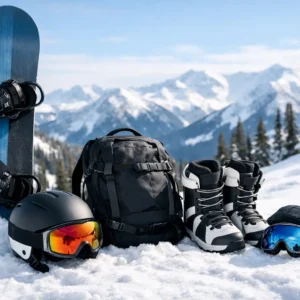
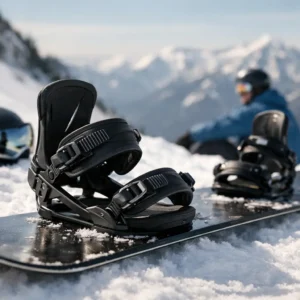
The third is ignoring the full setup. Bindings and boots have an enormous effect on how manageable a board feels. Even the best snowboard for beginners will feel awkward if paired with stiff boots or ill-matched bindings.
The best first board is the one that helps you return for day two
A beginner snowboard should not be something you have to fight. It should help you build trust in your edges, recover from mistakes, and leave enough headroom for the next stage of your riding. That usually means soft to medium-soft flex, all-mountain versatility, sensible sizing and a profile that gives you a bit of forgiveness when technique is still taking shape.
If you can, try before you buy, ask questions in a reputable shop, and be honest about where and how often you will ride. The right board will not make snowboarding easy overnight, but it will make improvement feel possible – and that is what keeps people coming back for another lap, another trip and eventually a lifetime in the mountains.