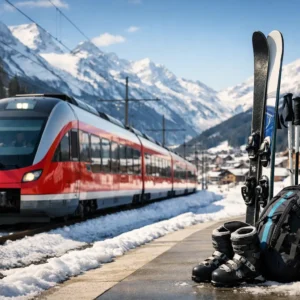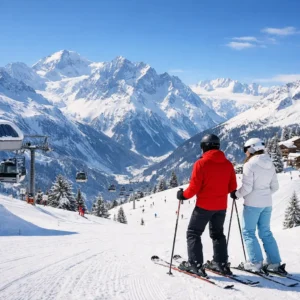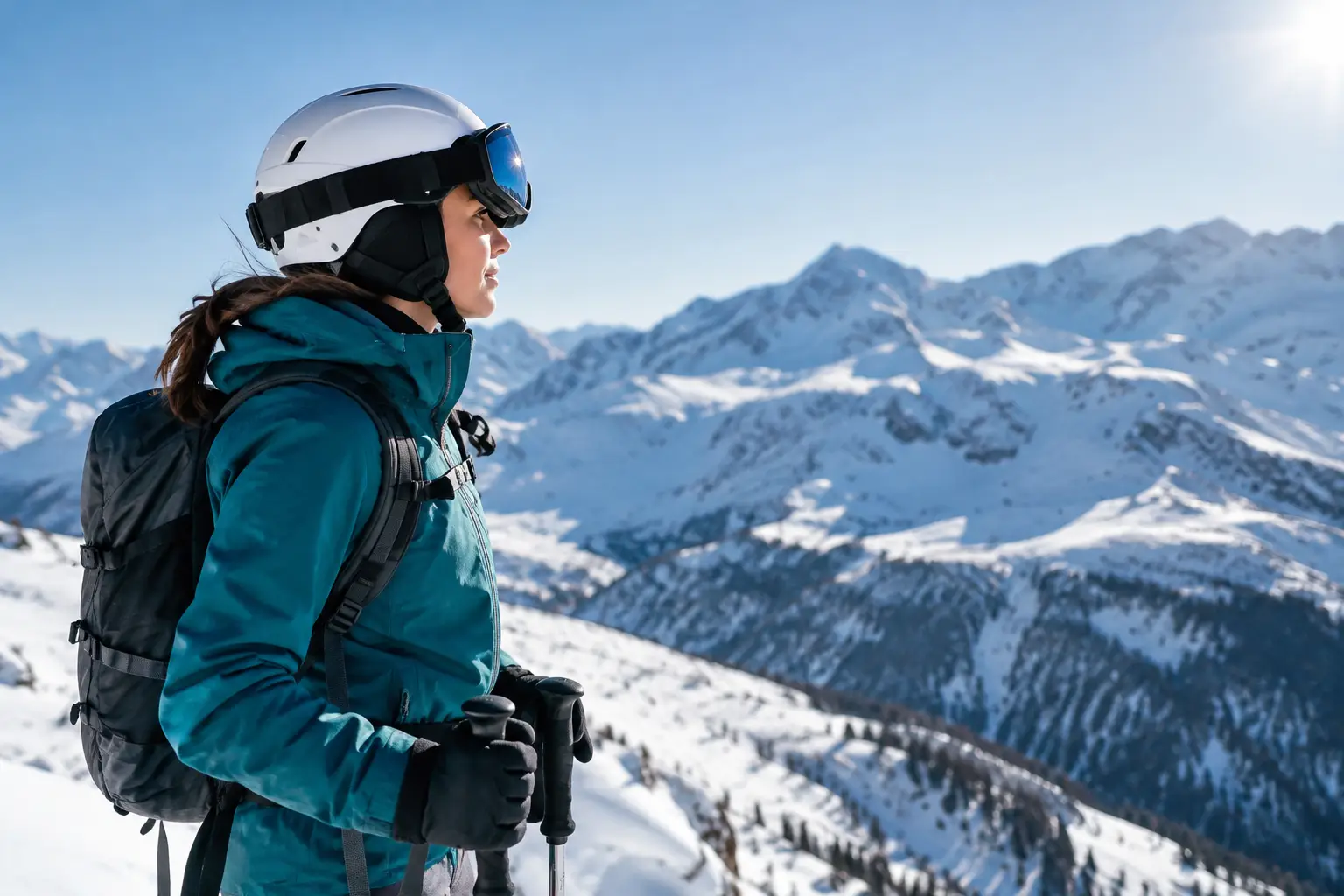
A big alpine week can begin with a deceptively simple transfer: breakfast at home, then a gondola station above 2,000m by late afternoon. The scenery is immediate, but so is the change in air pressure. Knowing how to acclimatise for skiing at altitude helps ensure your first days are about finding good snow and getting your ski legs back, rather than battling a pounding headache in the hotel room.
For most healthy visitors, altitude is manageable with sensible pacing. But it is not something to dismiss, particularly when flying from the UK and sleeping high on the first night. The key is to give your body time, drink and eat properly, and recognise when a headache is merely the result of travel fatigue and when it needs attention.
Why skiing at altitude feels harder
As you climb, the percentage of oxygen in the air stays broadly the same, but lower air pressure means each breath delivers less oxygen to the body. At around 2,500m, many skiers and snowboarders notice the difference when carrying boots upstairs, pushing along a flat cat track or taking the first fast laps of the day.
Your body responds by breathing faster and, over time, making adjustments that improve oxygen delivery. That process is acclimatisation. It begins quickly but is not complete in a few hours, which is why arriving in a high resort and immediately skiing hard, drinking heavily at après, then sleeping poorly is such an unhelpful combination.
Fitness certainly helps with skiing, but it does not make anyone immune to altitude illness. A very fit rider can feel rough on the first night, while a less athletic holidaymaker may be entirely comfortable. Previous experience at altitude is useful, although symptoms can vary from trip to trip.
How to acclimatise for skiing at altitude before you travel
The most useful preparation starts before the airport. Arrive rested if you can. The early alarm, flight, coach transfer and the admin of collecting hire kit can leave you dehydrated and short on sleep before you have clicked into a binding. Neither improves your first 24 hours in the mountains.
Drink water steadily during the journey rather than trying to make up for it with several litres on arrival. Cabin air and travel-day coffee can be dehydrating, but excessive water is not the answer either. Aim for pale urine, regular drinks and normal meals. Alcohol is best saved for later in the trip, especially if you are heading straight to a resort above 2,000m.
If your itinerary allows it, consider a lower first night before moving higher. This is not practical for every package holiday, and many high-altitude resorts are perfectly manageable, but it is a sensible option for people who have previously struggled. Families with younger children, older travellers and anyone with a medical condition may also value the gentler start.
Speak to your GP or a travel-health professional well before departure if you have heart, lung or blood-pressure conditions, are pregnant, or take regular medication. This is particularly relevant if you plan to sleep very high, ski touring or travel to resorts at more extreme elevations. Do not assume that being able to manage a dry-slope session or a gym workout answers the altitude question.
Make day one deliberately easy
There is no prize for setting first tracks on the morning after a late arrival. On day one, collect your lift pass, get familiar with the resort, make a few relaxed runs and stop before your legs and lungs are empty. Choose wide, confidence-building pistes near the main lifts rather than committing to a long route that leaves you stranded high above resort when fatigue catches up.
This is especially worthwhile for snowboarders, who may find a little breathlessness makes repeated strapping in, skating and getting up after a fall far more tiring than expected. Skiers should resist the temptation to charge through a full-day lesson or ski every lift opening to closing simply because they have paid for a six-day pass.
A gentle first day does not mean wasting valuable mountain time. Use it to check boot fit, work out the lift system, find the sunny lunch terrace and get your timing back on snow. By day two or three, most people feel noticeably more normal and can build towards longer days, more challenging terrain and higher sectors of the resort.
Eat, drink and recover like a skier
At altitude, appetite can dip, but skipping meals is a poor move when you are exercising in cold air. Prioritise regular, familiar food with enough carbohydrate to fuel the day, plus protein for recovery. A substantial breakfast, piste-side lunch and proper evening meal will serve you better than surviving on coffee, croissants and a late burger after the bar.
Carry water in a small pack or make a habit of drinking at lift stations and lunch. Warm drinks are welcome in cold weather, although coffee should not be your only fluid. Keep an eye on children and teenagers, who can be so focused on skiing with friends that they forget to drink until they feel unwell.
Sleep can be lighter at altitude, particularly for the first couple of nights. Keep evenings calm, leave screens aside where possible and do not treat sleeping tablets as a casual fix. Alcohol can worsen dehydration and fragment sleep, even if it makes you feel drowsy at first. A couple of celebratory drinks may be part of a ski holiday, but the first evening is the time to be restrained.
Know the difference between a mild symptom and a warning sign
A mild headache, unusual tiredness, slight nausea, poor sleep and reduced appetite can all occur while acclimatising. Slow down, rest, drink normally, eat something and avoid going higher until you feel better. Simple pain relief may help a headache for some people, but it should not be used to cover worsening symptoms so you can continue skiing.
Acute mountain sickness can become serious. Symptoms that are getting worse, severe headache, repeated vomiting, marked dizziness, confusion, difficulty walking straight, breathlessness at rest, chest tightness or a persistent cough need urgent medical assessment. The fundamental response to significant altitude illness is to stop ascending and descend. Do not wait for a planned transfer day or try to ski it off.
Tell your travel companions how you feel. People experiencing altitude illness do not always judge their own condition clearly, and a good ski buddy will notice if someone is unusually confused, clumsy or struggling for breath. Resort medical services see these issues regularly. Asking for help early is sensible mountain judgement, not a holiday overreaction.
Choose your resort rhythm wisely
Not every high resort presents the same challenge. Sleeping altitude matters more than the top lift station, though spending a whole day skiing high can still be tiring. A resort village at 1,300m with terrain rising to 3,000m gives you the option of recovering lower down overnight. A purpose-built base at 2,300m offers snow-sure convenience, but calls for more care on arrival.
Weather changes the equation too. Bright sunshine, dry air, strong winds and cold temperatures can increase fluid loss and fatigue. A bluebird powder day is not automatically the day to overextend yourself. Conversely, a lower resort may feel physically easier while still demanding plenty of energy if conditions are heavy, flat-light or relentlessly snowy.
For a week-long holiday, think in terms of a rising curve rather than an immediate peak. Start conservatively, take breaks before you need them, and leave your biggest itinerary or off-piste day until you have settled in. If you are skiing with a guide, be honest about how you are feeling. The best day out is one that matches the group’s energy as well as its ability.
Do not confuse acclimatisation with mountain fitness
Acclimatisation solves only one part of the high-mountain equation. Strong legs, balance, mobility and cardiovascular fitness still make skiing more enjoyable and reduce the chance that tiredness leads to poor decisions. A few weeks of pre-trip training, including squats, lunges, step-ups and sustained aerobic work, pays off when the runs get longer.
Yet even well-prepared skiers should pace themselves. Altitude, travel fatigue and the excitement of the first proper snow of the season can make people ski beyond their normal limit. Save something for the final descent, when light fades, pistes become busier and technique begins to unravel.
A thoughtful first 48 hours is a small investment in the rest of the week. Let the mountain set the tempo, listen to what your body is telling you, and you will be in a far better position to enjoy the high runs when they are at their best.