The difference between a jacket that works and one that gets left in the chalet usually shows up at about 2pm – when the wind picks up, the chairlift slows, and the morning sunshine turns into flat light and sleet. That is why shopping for the best ski jackets for women is less about colour or trend and more about how a jacket performs across a full mountain day.
For UK skiers in particular, versatility matters. A week in the Alps can mean sub-zero mornings, wet snow lower down, strong wind on exposed lifts and spring sunshine by lunchtime. Add in the usual mix of piste laps, long lunches, ski school meet-ups or the odd hike to a viewpoint, and the right jacket needs to balance protection, comfort and freedom of movement without feeling overbuilt.
What makes the best ski jackets for women?
The best ski jacket is not always the warmest, the most expensive or the most technical. It is the one that suits how and where you actually ski.
If most of your time is spent on-piste in European resorts, a well-insulated jacket with dependable waterproofing often makes more sense than a shell designed for backcountry missions. If you run warm, ski hard or like layering properly, a shell or lightly insulated jacket can be the better buy. There is no point paying for heavy insulation if you spend half the day venting heat on busy red runs.
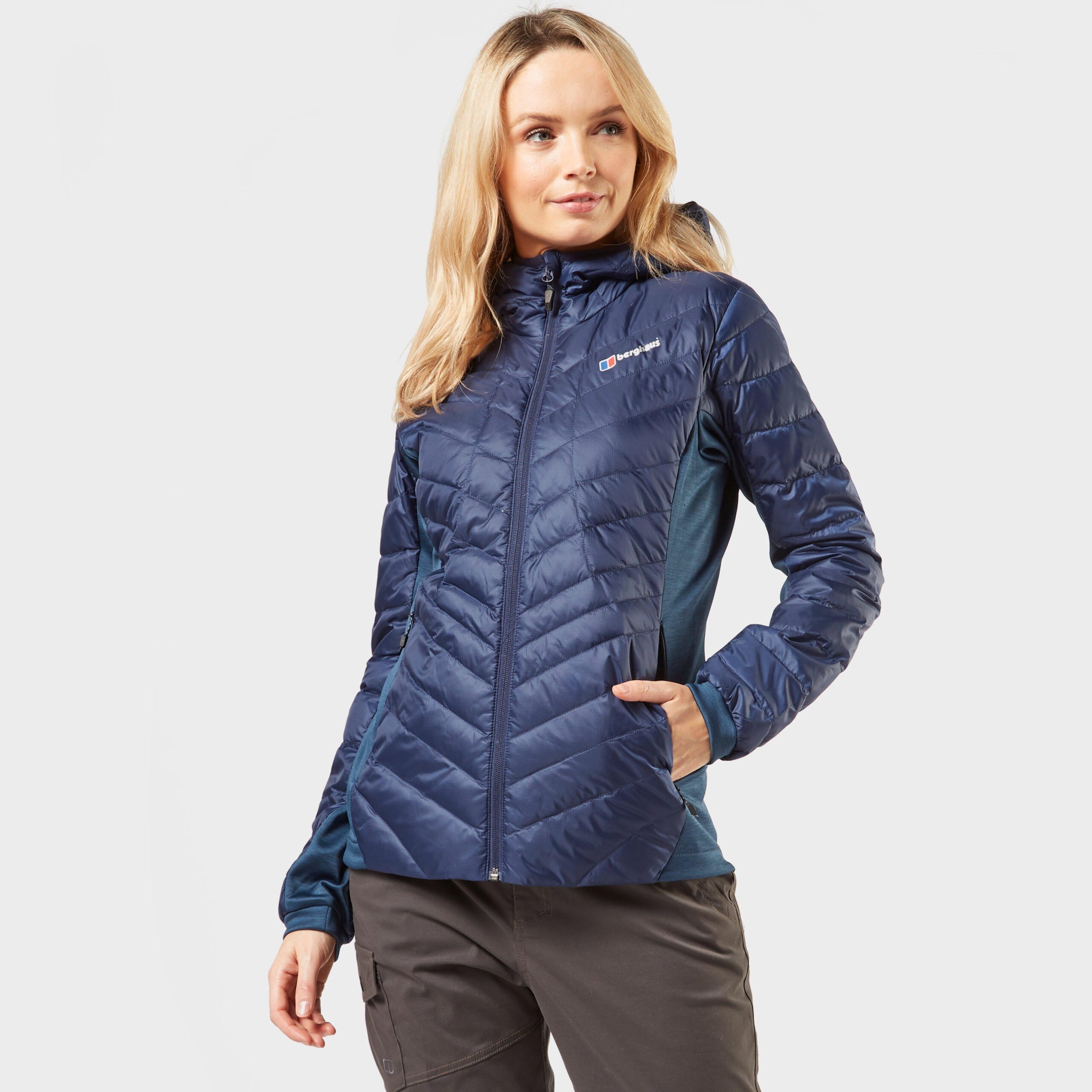
Fit is just as important as fabric specs. Women’s ski jackets have improved significantly in recent seasons, with more brands offering shapes that account for movement, layering and comfort rather than simply scaling down a men’s cut. A good jacket should leave room for a mid-layer, move cleanly through the shoulders, and still feel comfortable when sitting on a lift or bending to adjust boots.
Then there are the details that make a real difference in resort use: a hood that works over a helmet, cuffs you can manage with gloves on, vents that actually dump heat, and pockets placed where they remain useful with a backpack or hip belt. These things rarely look glamorous on a product page, but they are often what separates a decent jacket from a favourite one.
Shell, insulated or 3-in-1?
This is usually the first decision, and it shapes everything else.
A shell jacket gives you weather protection without much built-in warmth. For skiers who like to manage temperature with base and mid-layers, this is often the most adaptable option. Shells work especially well for active skiers, mixed conditions and trips where temperatures might vary wildly through the week. They also tend to last well across the season because you are not tied to one level of insulation.
An insulated jacket is the easy all-rounder. For many recreational skiers, particularly those skiing in mid-winter or taking one main alpine holiday a year, insulated jackets are straightforward and comfortable. You put it on and it works. The trade-off is flexibility. If the weather turns mild, some insulated jackets can feel too warm unless they have good venting and a relatively light fill.
A 3-in-1 can appeal to skiers who want one jacket for more than just snow trips. The idea is practical, but performance varies. Some systems are excellent for occasional use and wider winter travel, while others feel bulkier than a dedicated ski jacket. If skiing is your main focus, a purpose-built shell or insulated model often performs better.
Waterproofing and breathability – what matters on snow
Waterproof and breathable ratings can be useful, but they are not the whole story. Construction quality, seam sealing, fabric feel and the cut of the jacket all influence how it performs.
For typical resort skiing, look for a jacket with solid waterproofing and fully taped seams. This matters most in wet snow, windy chairlift rides and mixed weather lower down the mountain. If you ski mostly in colder, drier conditions, ultra-high waterproof ratings matter a little less than fit, comfort and venting.
Breathability becomes more important the harder you ski. If you build heat quickly, hike occasionally or spend time teaching children and then skiing fast in between, pit zips are often more useful than a claimed lab rating. Real-world temperature control comes from layering and ventilation, not just numbers on a swing tag.
Warmth is personal, not universal
One skier’s perfect mid-winter jacket is another skier’s overheating problem. That is why insulation should be judged in the context of your habits.
If you feel the cold on lifts, stop often, or ski mostly in January and February, a moderately insulated jacket is usually the safest choice. If you are an aggressive skier, prefer spring trips or naturally run warm, a shell with a fleece or light insulated layer underneath may be more comfortable across the day.
Down can feel wonderfully warm for its weight, but in ski jackets many women will prefer synthetic insulation because it copes better with damp conditions and repeated use. Resort skiing is not a dry, controlled environment. Snow on the shoulders, moisture around cuffs and temperature swings all favour practical insulation over delicate perfection.
Fit, length and movement
The best women’s ski jackets should feel secure without being restrictive. That sounds obvious, but poor fit still catches people out.
Shorter jackets can feel sportier and lighter, and they often suit skiers who prioritise agility. Slightly longer cuts give a bit more coverage on cold lifts and in stormy weather. Neither is inherently better. It comes down to body shape, preference and whether you want a clean athletic fit or more everyday comfort.
Try to assess movement, not just mirror appeal. Raise your arms. Rotate your shoulders. Fasten the powder skirt. Zip the collar fully. Put the hood up. A jacket that looks sharp in the changing room but pulls across the back or bunches around the chin will become annoying very quickly on snow.
Women who wear a back protector should be especially careful with sizing. Some jackets cope brilliantly with that extra bulk, while others suddenly feel tight through the torso and shoulders.
Features worth paying for
Some ski-jacket features are genuinely useful. Some are just brochure filler.
A helmet-compatible hood is worth having, even if you do not always ski with it up. Good wrist gaiters help seal out snow without fuss. A powder skirt is useful for most resort skiers, especially in softer snow or with frequent falls. Vent zips remain one of the most valuable practical features, particularly in the Alps where a day can shift from bitter to mild surprisingly fast.
Pocket layout deserves more attention than it gets. You need accessible hand pockets, a secure chest or sleeve pocket for a lift pass, and at least one internal pocket for valuables or gloves. Beyond that, more is not always better. Too many bulky pockets can make a jacket feel cluttered.
RECCO reflectors, recycled fabrics and PFC-free treatments are increasingly common and welcome, but they should not distract from the basics. A sustainable jacket still needs to keep you warm, dry and comfortable.
Brands and models to look at
The strongest options in this category often come from brands with a proper foothold in mountain sports rather than pure fashion labels. Names such as Helly Hansen, Patagonia, Arc’teryx, Picture, Peak Performance, The North Face, Ortovox and Mountain Equipment all produce women’s ski jackets worth considering, but they cater to slightly different skiers.
Helly Hansen and The North Face tend to offer approachable resort-friendly choices with a broad spread of insulated and shell designs. Patagonia and Picture appeal to skiers who place real value on environmental credentials alongside performance. Arc’teryx and Ortovox often sit at the more technical, premium end, where the cut, fabric quality and mountain focus justify the spend for frequent skiers. Peak Performance has long balanced clean styling with proper on-snow function, while Mountain Equipment is a strong choice for women who prefer serious weather protection and understated design.
That said, no brand gets every model right for every person. Even within the same range, one jacket may suit a piste skier taking a February holiday, while another is clearly aimed at ski touring or sidecountry use. The label matters less than the match.
How to choose without wasting money
Start with your skiing, not the marketing. Ask yourself where you ski most, whether you feel the cold, how much layering you already own, and whether you want one jacket solely for ski holidays or for UK winter use too.
If you ski one week a year, mostly on-piste, and want simplicity, buy a comfortable insulated jacket with dependable weather protection. If you ski regularly, travel across the season, or already own strong mid-layers, invest in a shell that gives you more flexibility. If budget matters, prioritise waterproofing, fit and venting before high-end fabric names.
It is also worth being honest about use beyond the piste. A sleek, lightly insulated jacket may work beautifully for resort days and winter walks at home. A highly technical shell may be brilliant in a storm but less appealing if you want one jacket for town, travel and the mountain.
For more gear guidance rooted in real snow use rather than sales patter, Skier & Snowboarder remains a dependable place to start. The best purchase is rarely the flashiest one – it is the jacket you forget about because it simply gets on with the job, from first lift to the last run home.
Related Posts:
Categories: Resort News & Reports
Leave a Reply
You must be logged in to post a comment.