The old rhythm of booking a week in the Alps, hiring skis at the resort and hoping for a decent snowfall has not disappeared. But ski tourism now asks more of a holiday than it did even a few seasons ago. UK skiers and snowboarders are weighing snow reliability against cost, transfer time against mountain size, and a resort’s character against the simple number of kilometres on its piste map.
For the mountain traveller, this is not bad news. It means better questions are being asked before money changes hands. The strongest resorts are responding with longer seasons at altitude, smarter lift networks, credible sustainability work and experiences that make a trip worthwhile even when the weather does not follow the brochure.
Ski tourism is no longer just about piste kilometres
A huge linked area still has appeal, particularly for confident skiers who want a different sector each day and snowboarders looking for varied terrain. Yet size alone can disguise practical realities. A 600km domain is less useful if the best sections are an hour away in poor visibility, the key link lifts bottleneck at 10am, or a beginner in the group has nowhere comfortable to progress.
The resorts earning repeat custom understand that the on-snow day is a whole experience. Fast, well-placed lifts matter. So do sensible wayfinding, reliable grooming, mountain restaurants that feel like a break rather than a financial ambush, and lift passes that suit the terrain people will genuinely use. A compact resort with a high proportion of enjoyable, easily reached runs can feel more generous than a sprawling area that requires constant logistical effort.
This is particularly relevant for British groups, where mixed ability is common. One person may want steep pistes and a guide for off-piste terrain; another wants confidence-building blues, a scenic lunch and time for a spa. The right destination gives both a proper holiday without turning every morning into a negotiation.
Snow certainty has become a planning priority
There is no such thing as guaranteed natural snow, and anyone who has skied through a warm Alpine week knows that a resort’s advertised altitude is only one part of the picture. Aspect, terrain above the tree line, glacier access, snowmaking coverage and the elevation of the village all affect how a trip skis in reality.
For peak weeks – especially Christmas, New Year and February half-term – higher resorts and areas with extensive snowmaking offer a useful layer of insurance. That does not mean lower, traditional villages should be written off. Many deliver excellent value, better tree skiing in poor weather and a more distinctive atmosphere than purpose-built high-altitude stations. It does mean checking the likely conditions for the dates you are travelling, rather than relying on a resort name or a memorable trip from ten years ago.
The sensible approach is to match the destination to the month. Early season rewards altitude and strong piste preparation. Midwinter can make almost any well-run Alpine resort shine, while late March and April often favour high, north-facing slopes and resorts where the ski day can start early before a relaxed afternoon on the terrace. For snowboarders, this calculation also includes the quality of links, drag lifts and flat run-outs, not simply the snow depth at the summit.
What snowmaking can – and cannot – do
Modern snowmaking has changed the resilience of many European ski areas. It can protect key home runs, nursery zones and lift connections, allowing a resort to keep its network functional during marginal periods. It cannot recreate a deep natural base across an entire mountain, nor does it remove the impact of prolonged warm weather.
Its value is greatest when used intelligently: preserving the routes that hold an area together and giving beginners dependable terrain. Resorts should also be judged on how openly they communicate conditions. Clear reports about open lifts, lower slopes and snow quality are far more useful than vague promises of ‘excellent skiing’.
Value means more than the headline price
A cheap package can become expensive quickly once luggage, equipment hire, ski carriage, lift passes, lessons, lunch and airport transfers are added. Conversely, a higher upfront price may represent good value if it includes a short transfer, ski-in access, a broad lift pass and enough terrain to keep everyone engaged for six days.
For UK travellers, transport choices are becoming more varied. Flying remains practical for many Alpine trips, particularly when time is limited. Rail is increasingly attractive to those who can spare an extra day and want to avoid airport queues, baggage limits and the awkwardness of travelling with boots. Self-drive works well for families, longer stays and anyone carrying their own kit, although motorway tolls, winter tyres, parking and fatigue need to be costed honestly.
Accommodation is where the character of a trip is often won or lost. Catered chalets remain sociable and straightforward, while self-catering gives flexibility and can work brilliantly for families. Hotels make most sense when service, wellness facilities and a central location matter. There is no universally best option; the key is to avoid paying for a level of convenience you will not use, or saving money on a location that makes every ski day harder.
Booking early can still secure the best choice during school holidays, but late bookings can suit flexible travellers willing to follow snow and accept less control over flight times or room type. The important distinction is between a genuine late deal and a cheap trip with inconvenient transfers, poor access to the mountain or limited availability in the ski school.
The resort experience matters off the mountain too
Skiing and snowboarding remain the reason to travel, but the wider resort experience has become more influential. A strong mountain town can give a short trip real texture: a good coffee before first lifts, independent restaurants, a lively but not relentless après scene, local food, galleries, sledging or simply a place worth walking around when the weather closes in.
This is not an argument for turning ski holidays into city breaks. Rather, it recognises that few people now judge a holiday purely by their vertical metres. Travellers want a sense of place. That may be a historic Austrian village, a French high-altitude station with serious terrain on the doorstep, a Scandinavian resort built around winter culture, or a quieter Italian valley where lunch is part of the day’s plan.
For families and newer participants, a resort’s non-ski offer can also take pressure off the timetable. A rest afternoon need not feel like wasted money, and children who enjoy the whole setting are more likely to return to the sport.
Sustainability is moving from marketing claim to travel choice
Winter sports have an obvious stake in climate action. Less reliable snow affects local communities, seasonal employment and the future of the activity itself. Ski tourism also carries a contradiction: getting to the mountains, particularly by air, is a meaningful part of a holiday’s footprint.
That does not require guilt-laden messaging or pretend solutions. It calls for clearer choices. Travelling by rail where it is workable, staying longer rather than taking repeated short flights, using public transport in resort and supporting destinations that invest in efficient lifts, renewable energy, year-round local employment and careful water management are all practical measures.
Travellers should remain alert to green claims that lack detail. A reusable cup scheme is welcome but does not, on its own, answer bigger questions about development, transport or snowmaking. Equally, perfection should not be the standard. Resorts operating in difficult conditions deserve credit when they publish measurable plans and make changes that guests can actually see.
What the best ski holidays will look like
The future is unlikely to belong solely to the biggest or glossiest resorts. It will favour destinations that are honest about their strengths and make them easy to enjoy. Some will lead on altitude and serious terrain. Others will win through village atmosphere, rail access, family expertise or outstanding instruction. The common thread is thoughtful planning, both from the resort and from the skier or snowboarder booking the trip.
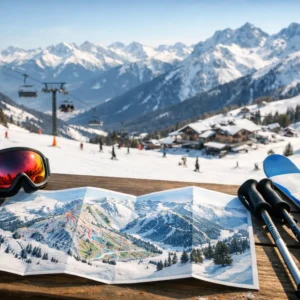
Before committing, look beyond the piste map. Consider your dates, ability mix, appetite for travel, tolerance for queues and what a good day in the mountains genuinely looks like for your group. Pick the resort that fits those answers, prepare properly, and leave room in the schedule for the unexpected powder morning, long lunch or final run that becomes the story everyone remembers.