The last lift has closed, boots are unclipped and someone suggests one drink before heading back to the chalet. That familiar moment answers the question, what is apres ski? It is the social side of a day in the mountains: the food, drink, music, conversation and small rituals that begin once skiing or snowboarding winds down.
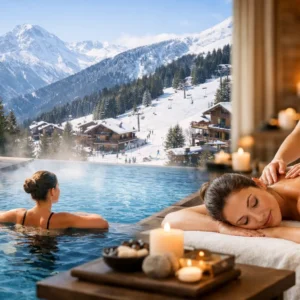
It can mean dancing on a terrace in ski boots while a DJ plays to a packed crowd. It can also mean a cold beer in a quiet local bar, a long raclette dinner, a sauna, or simply tea and cake by the fire. The common thread is not the volume of the music or the price of the champagne. Apres ski is the shared decompression after time on snow, and it is a defining part of mountain culture.
What does apres ski mean?
Après-ski is French for “after skiing”. In English usage, it has become a broad term for everything that happens after the lifts stop being the focus of the day. Despite the name, it is very much a snowboarder’s tradition too, and it need not involve alcohol, nightlife or even skiing particularly late.
Its roots lie in Alpine resort life, where visitors and local mountain communities naturally gathered after a day outdoors. Skiing was physically demanding, travel was slower, and evenings in the valley were an important part of the holiday experience. Over time, resorts developed their own versions of the ritual. Some made it loud and theatrical; others retained a more understated, food-led character.
That distinction still matters. A skier booking a week in St Anton, for example, should expect a very different afternoon atmosphere from someone staying in a smaller Swiss village or a family-focused French resort. Neither is a more authentic answer to what is apres ski. They are simply different expressions of it.
Apres ski is not one thing
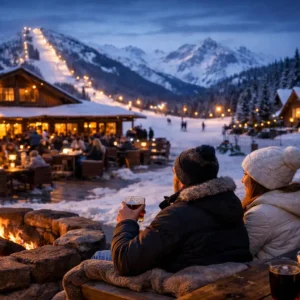
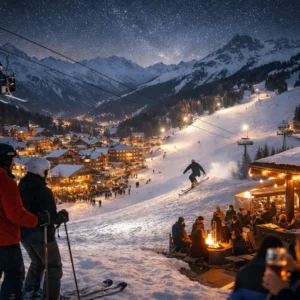
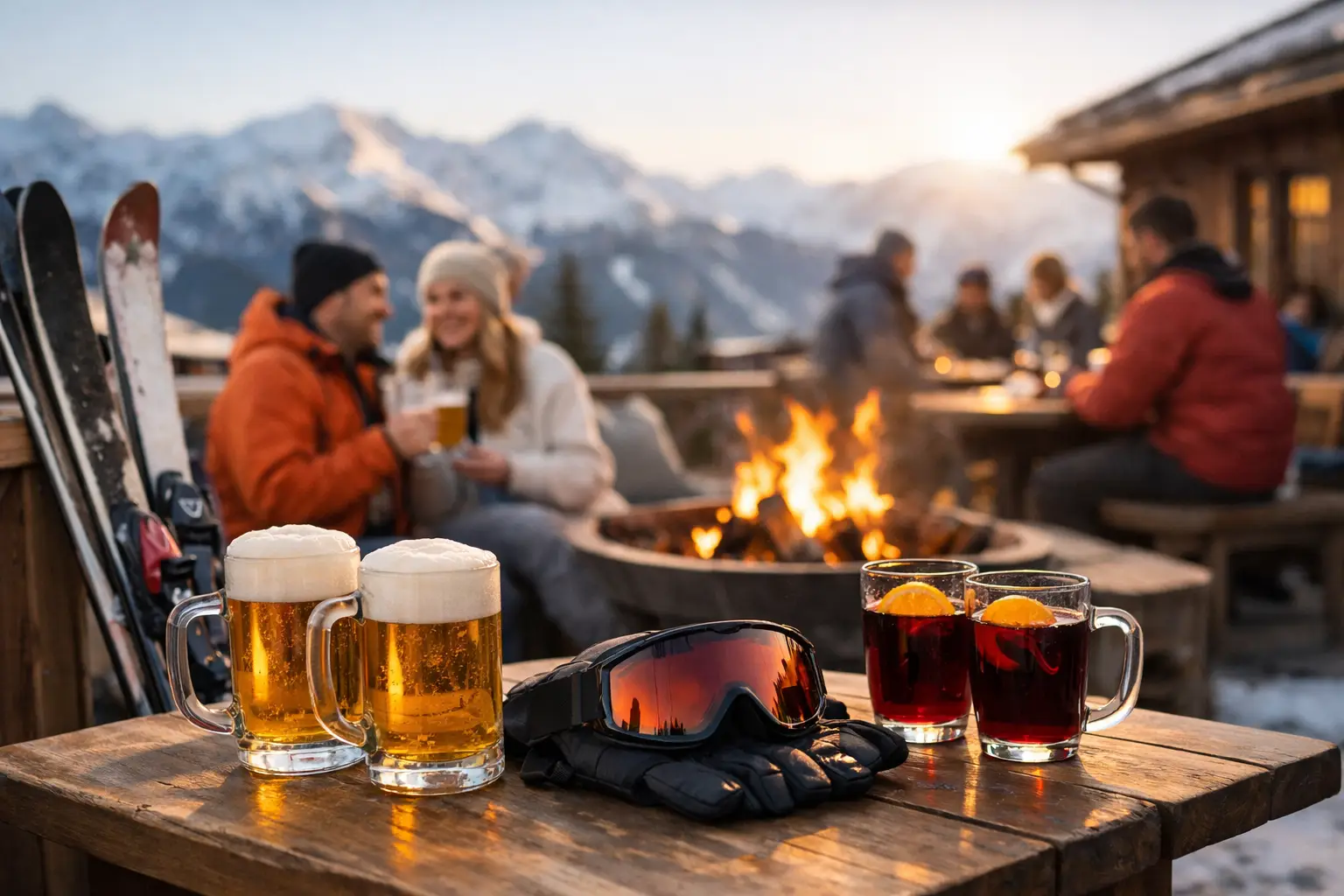
The popular image is easy to recognise: a sunny slope-side terrace, live music, beers raised overhead and a crowd still wearing helmets or goggles. This is genuine apres ski, and in the right setting it can be one of the great joys of a week in the Alps. Resorts such as Val d’Isere, Verbier, Ischgl and St Anton have built global reputations around high-energy afternoons that often roll into the evening.
But the culture has a quieter side. In Austria, a cosy hut stop, known as a gemütlich atmosphere, can be as central as the party bars. In France, an unhurried vin chaud and a table booked for tartiflette may be the highlight. Italian resorts often put greater emphasis on the passeggiata, aperitivo and dinner. In North America, apres can be a brewpub, a hot tub at the lodge or a relaxed restaurant session with friends.
For many British skiers and snowboarders, the best version sits somewhere in the middle. A drink or hot chocolate straight off the piste, a chance to swap stories about conditions and near misses, then enough time to shower, eat properly and be ready for first lifts the next morning. That is especially true on a short break, when every good snow day counts.
Why it matters to a ski holiday
Skiing and snowboarding are unusually social sports. Friends are often separated by ability, confidence, lesson times and terrain choices during the day. Apres ski brings the group back together. It is where a beginner can celebrate a first blue run, where someone who found fresh snow in the trees can tell the story, and where plans are made for tomorrow.
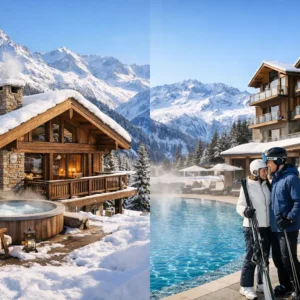
It also gives a resort its character beyond the trail map. Two areas may offer similar vertical, snowmaking and lift systems, yet feel completely different after 3pm. One may suit a group wanting live bands and late bars; another may be better for couples who value good restaurants, wellness facilities and a peaceful village. Looking beyond piste kilometres is not a luxury when choosing a holiday. It is practical trip planning.
There is a commercial side, of course. Resort bars, hotels and restaurants have turned apres into an event in its own right, particularly at peak weeks. That can create brilliant energy, but it also brings queues, premium prices and an atmosphere that will not appeal to everyone. A well-known party venue can be worth experiencing once. It does not have to dictate every afternoon.
The mountain version versus the village version
One useful distinction is between apres on the mountain and apres back in resort. Mountain apres starts before the final descent: perhaps at a piste-side hut, a panoramic sun terrace or a lift-station bar. Its appeal is immediate. You are still in the landscape, daylight is fading across the peaks, and everyone has had the same full day outside.
The trade-off is obvious. If you have one or two drinks at altitude, you still need to ski or snowboard down safely. Fatigue, changing light and icy pistes are not a clever combination with alcohol. Keep it measured, know the route home and leave before judgement gets clouded. For less confident riders, the better choice is often to save the drink until they are back in the village.
Village apres begins once the kit is off. It may take place in a pub, hotel lounge, wine bar, spa, café or restaurant. It is generally more comfortable and less rushed, particularly in poor weather. It also works better for mixed groups: non-skiers, children, tired legs and anyone who would rather trade a bass-heavy terrace for a proper chair and a plate of food.
How to enjoy apres ski without losing tomorrow
The strongest apres sessions usually have a little discipline behind them. Hydration matters more than people admit. Cold, altitude, exertion and central-heated accommodation can leave you depleted before the first drink is ordered. Water and a substantial snack are sensible companions, not signs that you are taking the fun too seriously.
Timing matters too. A 4pm gathering can be a superb way to celebrate a day, but an all-night session before a powder morning is a choice with consequences. If conditions are likely to be excellent, it is worth setting a loose finishing time. Most experienced mountain regulars have learned that the first chair after fresh snow is a far better place to be than feeling rough at breakfast.
Dress for the setting rather than the photograph. Boots are useful for a terrace but awkward in a packed bar, and damp base layers soon become unpleasant indoors. A spare layer, dry socks and footwear that does not make every staircase hazardous will improve the evening considerably. In busy resorts, booking dinner is also wise, especially during school holidays and half-term weeks.
Choosing a resort for your preferred apres ski
When researching a trip, be honest about the group. A hard-charging party resort can frustrate travellers who want quiet evenings, just as a sleepy village can feel restrictive for friends who see nightlife as part of the holiday. Look at the location of bars and restaurants as well as their reputation. A brilliant venue on the far side of a sprawling resort may be less appealing once everyone is tired and carrying skis.
Families should consider whether the resort offers early, welcoming places to eat and activities beyond bars. Groups with a wide ability range may prefer an area where easy runs lead to the same meeting point, so nobody is excluded from the end-of-day gathering. Snowboarders should also check the final routes carefully: a famous mountain bar loses some appeal if the journey home involves a long flat cat-track.
For UK visitors, apres ski can be one of the easiest ways to feel part of a resort rather than merely pass through it. Learn a few local phrases, try a regional dish, respect house rules and tip appropriately where it is customary. The best memories are rarely made by copying a social media clip. They come from finding a place that suits your own crew and letting the mountain day settle into a good evening.
Apres ski is, at heart, permission to pause. Make the final run safely, choose the company and atmosphere you actually want, and leave enough in the tank to enjoy the mountains again tomorrow.