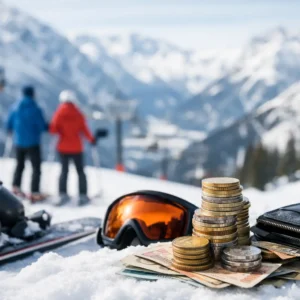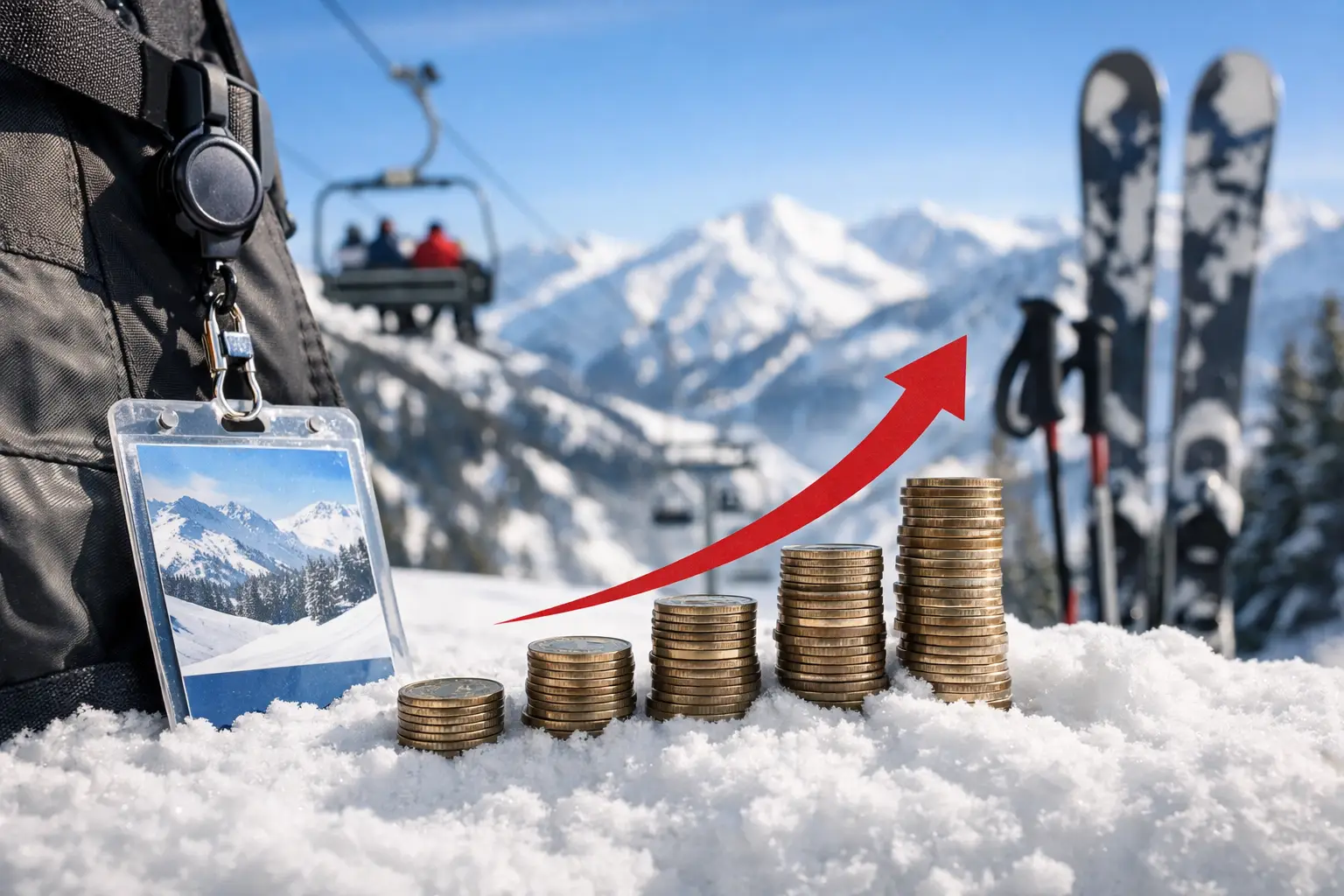
Anyone who has priced up a winter trip in the past few seasons will have noticed the same thing before flights, transfers or hotel costs even enter the picture – ski pass price increases are no longer a one-off shock. They are now a regular part of planning a mountain holiday, whether you are booking a family week in the Alps, chasing a short break in Austria or weighing up a North American trip.
For UK skiers and snowboarders, that matters because the lift pass sits at the heart of the whole holiday budget. It is the cost you cannot really dodge if you want proper mountain access, and when it rises sharply, every other decision gets tighter. The question is not simply why passes cost more. It is why they keep rising faster than many people expect, and what that means for where and how we ride.
What is driving ski pass price increases?
The easy answer is inflation, but that only explains part of the story. Resorts and lift companies have faced the same broad pressures as every other business – energy, wages, fuel, maintenance, insurance and food costs have all moved up. Running a modern lift system is expensive in any year. Running one in an era of volatile electricity prices and stricter operating costs is more expensive still.
Then there is the capital cost behind the scenes. Many of the resorts UK visitors use most often are replacing ageing lifts with faster gondolas, chairlifts and improved uplift networks. That is good news on snow. Nobody complains when an old drag is replaced by a heated chair or a key bottleneck is removed. But those upgrades are paid for somewhere, and ticket pricing is one of the clearest ways operators recover that investment.
Snowmaking is another major factor. In lower or mid-altitude resorts, reliable early-season and shoulder-season skiing increasingly depends on artificial snow. That means reservoirs, pumps, pipework and snow guns, followed by the energy required to run them when temperatures allow. Resorts are not just selling access to pistes. They are selling reliability, and reliability costs money.
There is also a less obvious shift in how resorts see their product. Many no longer price lift passes as a basic transport utility. They price them as part of a premium leisure experience. If demand remains strong, especially during school holidays, operators have little incentive to keep prices low out of goodwill.
Why ski pass price increases hit some resorts harder than others
Not every rise feels the same. A high-altitude mega-domain with extensive uplift, modern infrastructure and a long season can make a stronger case for premium pricing than a smaller area with limited terrain and inconsistent cover. Riders will often accept paying more if they feel they are getting serious mileage, snow security and efficient lifts in return.
The frustration comes when prices rise in places where the on-mountain product has not obviously improved. A pass that is 10 or 15 per cent more expensive is harder to swallow if queues are still long, chairlifts are still ageing and terrain remains constrained by snow conditions.
Exchange rates also distort the picture for British travellers. A pass may have increased modestly in euros or Swiss francs, yet feel far steeper once converted into pounds. That means ski pass price increases can land particularly heavily on UK budgets even when local headlines in resort markets sound relatively calm.
The bigger change – dynamic pricing
One of the most significant developments is dynamic pricing. Borrowed from airlines and rail travel, it means lift pass costs can vary depending on when you book, when you ski and expected demand. On one level, that makes commercial sense. Resorts can encourage early bookings and spread demand beyond peak weeks.
For skiers and snowboarders, though, it changes the feel of trip planning. The traditional idea of a standard six-day pass published in a resort brochure is fading. Instead, the best price often goes to the organised early booker who can commit months in advance. Late bookers, peak-week travellers and families tied to school holidays tend to lose out.
That creates clear winners and losers. Couples or groups with flexible dates can work the system. Families, seasonnaires and anyone whose travel window is fixed have far less room to manoeuvre. It also adds another layer of admin to booking a trip, which many people understandably find tiresome.
Are higher lift pass prices always bad value?
Not necessarily. Price and value are not the same thing.
A more expensive pass in a well-connected resort with modern lifts, strong snowmaking, efficient operations and extensive terrain can still represent decent value if it allows you to ski hard from first lift to last. Equally, a cheaper pass in a smaller resort can become poor value if weather limits terrain, uplift is slow or you spend half the day traversing to reach worthwhile sectors.
That said, there is a threshold where even excellent areas begin to look overpriced for average holiday skiers. Not everyone needs 600km of pistes, cutting-edge lifts and a headline resort name. Plenty of UK travellers would rather pay less for a good, manageable ski area with character, reliable conditions and a decent lunch stop than stretch the budget purely for scale.
This is where honest trip planning matters. Strong skiers and keen snowboarders often extract more value from a large-area pass because they use the terrain properly. Beginners, nervous intermediates and young families may be better served by a smaller domain or a resort where local-area passes remain available.
How UK skiers and snowboarders can respond
The first and most obvious tactic is to book earlier if the resort uses advance pricing. It is not glamorous advice, but it works. In many destinations, the cheapest passes are sold well before the season begins, and waiting until the autumn or arrival day can mean paying a clear premium.
Second, look harder at resort fit rather than defaulting to the biggest names. There are still excellent ski areas across France, Austria, Italy and elsewhere where the pass-to-experience ratio remains healthier than in the highest-profile destinations. That does not mean bargain-basement pricing. It means better balance.
Third, think about how many days you will genuinely ski. Many holidaymakers automatically buy a six-day pass for a week-long trip. Sometimes that is sensible. Sometimes a five-day pass, with one weather day, travel day or spa day built in, is the smarter move. The same applies to beginners who may progress better with shorter sessions than all-day mountain marathons.
Families should also examine child, youth and senior categories closely, because age bands vary more than many assume. A resort with a generous youth tariff can shift the arithmetic significantly. Group deals, family passes and local beginner-area passes are worth checking too, especially for mixed-ability groups.
There is also a growing case for reconsidering when you travel. Peak holiday weeks will always command the highest rates, both in accommodation and on passes. If you can travel just outside those windows, the savings can be material. Better still, the slopes are often quieter.
What resorts need to get right
Most skiers and snowboarders understand that mountains are expensive to run. The irritation is not simply the price rise. It is the sense that pricing can become opaque or detached from the actual experience.
If resorts want continued goodwill, they need to be clearer about what people are paying for. Investment in lifts, beginner facilities, snowmaking, mountain safety and public transport all make sense when communicated properly. So does a pricing model that rewards early booking without making ordinary visitors feel penalised for circumstances they cannot control.
There is also a community point here. Skiing and snowboarding already face a perception problem around affordability. If passes rise too far, too quickly, the risk is not just that people complain online. It is that new entrants, younger riders and cost-conscious families begin to feel the sport is drifting out of reach.
That should concern the entire industry. Healthy mountain culture depends on renewal. Resorts need loyal return visitors, but they also need future ones.
What ski pass price increases mean for the sport
The long-term effect of ski pass price increases will probably not be a sudden collapse in demand. Popular resorts will still fill, prime weeks will still sell and passionate skiers will still prioritise their trips. But behaviour is changing. People compare harder, book earlier, shorten trips, switch resorts and expect more for their money.
That is not a bad thing. It may even encourage a more thoughtful market, where smaller resorts with genuine strengths get fresh attention and bigger operators have to justify premium prices with premium delivery.
For British riders, the key is to be sharper rather than simply more pessimistic. Look beyond the headline number, match the pass to the trip you actually want, and remember that value on snow is about quality of experience as much as quantity of kilometres. If the industry wants to keep the next generation hooked, that balance needs protecting.