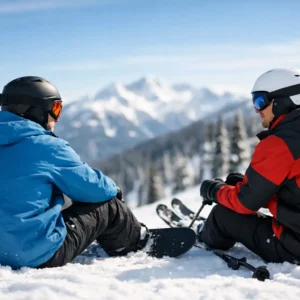
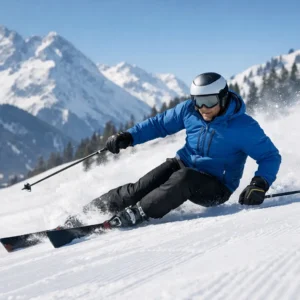
Skiing and snowboarding may look effortless when you watch experienced riders carving down a mountain, but anyone who has clicked into bindings knows the truth – these sports demand strength, balance, coordination, endurance and mental focus.
While time on the mountain is irreplaceable, what you do off the slopes can dramatically improve your performance once winter arrives.
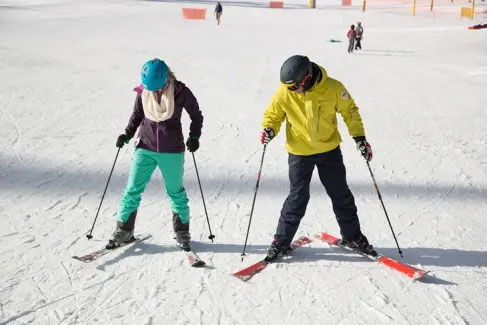 Cross-training is not just for elite athletes. Whether you’re a beginner learning to link turns or an advanced rider chasing steeper terrain, the right off-snow activities can make you stronger, more confident and less prone to injury. In fact, insights from a recent ski popularity report highlight how more people are entering snow sports each year, making proper preparation even more important for safety and progression.
Here’s how you can train off the slopes and come back stronger every season.
Why Off-Slope Training Matters
Skiing and snowboarding challenge your entire body. They require:
- Lower-body strength for carving and absorbing terrain
- Core stability for balance and control
- Cardiovascular endurance for long runs
- Agility and coordination for quick adjustments
- Mental resilience for variable conditions
Without preparation, fatigue sets in quickly – and fatigue often leads to mistakes. Off-slope training builds the foundation that allows you to ride longer, recover faster and push your limits safely.
1. Skateboarding for Balance and Edge Control
If there’s one sport that naturally complements snowboarding (and even skiing), it’s skateboarding. The similarities in stance, weight transfer and edge awareness are undeniable.
Skateboarding improves:
- Dynamic balance
- Ankle and knee stability
- Reaction time
- Confidence in riding sideways
Practicing at a skatepark teaches you how to shift weight smoothly – a skill directly transferable to linking snowboard turns. Even skiers benefit from the improved coordination and balance that skating builds.
Many riders train at a UK skateboard school during the off-season to refine board control in a structured way. Learning to manage speed, transitions and body positioning on concrete makes adapting to snow much easier when winter returns.
2. Cycling for Endurance and Leg Strength
Mountain biking or road cycling is excellent for building lower-body strength and stamina. Skiers and snowboarders rely heavily on quads, hamstrings, glutes and calves – the same muscles engaged during cycling.
Benefits include:
- Increased muscular endurance
- Stronger legs for sustained carving
- Improved lung capacity
- Better recovery between runs
Cycling also strengthens the stabilising muscles around the knees, which is crucial for injury prevention during twisting or high-impact landings.
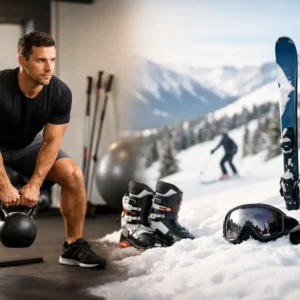
3. Strength Training for Power and Stability
You don’t need to be a bodybuilder, but resistance training can dramatically improve your performance on snow. Focus on compound movements that mimic skiing and snowboarding mechanics.
Key exercises:
- Squats and lunges for leg strength
- Deadlifts for posterior chain power
- Planks and rotational core work
- Step-ups for single-leg stability
Strong legs help absorb bumps and land jumps more smoothly. A solid core keeps your upper body stable while your lower body works beneath you. This separation of movement is essential for carving clean turns.
4. Yoga for Flexibility and Injury Prevention
Flexibility is often overlooked in snow sports, yet tight hips, hamstrings or ankles can limit your range of motion and reduce control.
Yoga improves:
- Hip mobility
- Hamstring flexibility
- Ankle range of motion
- Body awareness
Snowboarding, especially, demands rotational flexibility. Yoga enhances this movement while also helping you develop breathing control – useful when navigating challenging terrain or steep runs.
5. Trampoline Training for Air Awareness
For those interested in freestyle skiing or snowboarding, trampoline sessions are incredibly effective. They build air awareness without the risk of snow conditions or hard landings.
Trampoline training improves:
- Spatial orientation
- Controlled take-offs
- Body positioning in the air
- Safe landing mechanics
Even if you’re not hitting terrain parks, improved coordination and mid-air balance can help when navigating uneven snow or unexpected drops.
6. Surfing for Flow and Movement
Surfing and snowboarding share a fluid style of movement. Both sports require reading terrain (or waves), shifting weight naturally and staying relaxed under pressure.
Surfing enhances:
- Core engagement
- Lower-body coordination
- Adaptability to changing conditions
The feeling of flow you develop in the water translates beautifully to powder runs on the mountain.
7. Plyometrics for Explosive Power
Plyometric exercises train fast-twitch muscle fibers, which are crucial for quick directional changes and jump take-offs.
Include:
- Box jumps
- Lateral hops
- Skater jumps
- Jump lunges
These exercises build explosive power and improve reaction time – especially useful when navigating moguls or tight tree runs.
8. Balance Training for Stability
Balance boards, BOSU balls and single-leg drills directly simulate the unstable surface of snow.
Balance training helps:
- Improve ankle strength
- Enhance micro-adjustments
- Reduce fall risk
- Increase confidence on icy patches
Just 10-15 minutes of balance work several times per week can make a noticeable difference.
9. Hiking and Trail Running for Mountain Conditioning
Skiing and snowboarding often take place at altitude. Hiking and trail running prepare your cardiovascular system while strengthening stabilising muscles.
Climbing hills builds endurance in:
- Calves
- Glutes
- Core stabilizers
Downhill trail running, when done carefully, also trains eccentric muscle control – similar to absorbing downhill ski runs.
10. Swimming for Full-Body Conditioning
Swimming builds endurance without stressing joints. It strengthens shoulders, core and legs while improving breathing efficiency.
Strong shoulders and upper back muscles are especially useful for pole plants in skiing and maintaining posture during long descents.
Mental Training: The Overlooked Advantage
Physical training is vital, but mental preparation matters just as much.
Visualisation techniques, reaction drills and even controlled breathing exercises can:
- Improve confidence
- Reduce hesitation
- Increase focus
- Lower performance anxiety
Many elite athletes spend as much time training their minds as their bodies.
How to Build Your Off-Slope Training Plan
You don’t need to do everything. A balanced weekly routine might look like:
- 2 strength sessions
- 1 cycling or hiking session
- 1 balance-focused session
- 1 flexibility/yoga session
- Optional skateboarding or trampoline practice
Consistency matters more than intensity. Start slowly and build gradually to avoid overtraining.
The Bigger Picture: Preparing for a Growing Sport
As participation in snow sports continues to grow – something clearly reflected in the latest ski popularity report – the importance of preparation becomes even more evident. More people on the slopes means more competition for space and more variable conditions. Being physically prepared helps you react quickly and stay safe.
Training off the slopes doesn’t just improve performance. It enhances enjoyment. When your legs don’t burn halfway down a run and your balance feels natural, skiing and snowboarding become far more rewarding.
You don’t need snow to become a better skier or snowboarder. The work you put in during the off-season builds the strength, balance, coordination and endurance that define confident riders.
From skateboarding and cycling to yoga and strength training, each activity develops a piece of the puzzle. When winter arrives, you’ll notice the difference immediately – smoother turns, better control, stronger landings and more energy at the end of the day.
Train smart, stay consistent and when you finally click into your skis or strap on your board, you won’t just be ready – you’ll be stronger than ever.
ADVERTORIAL FEATURE.